
Fertilization
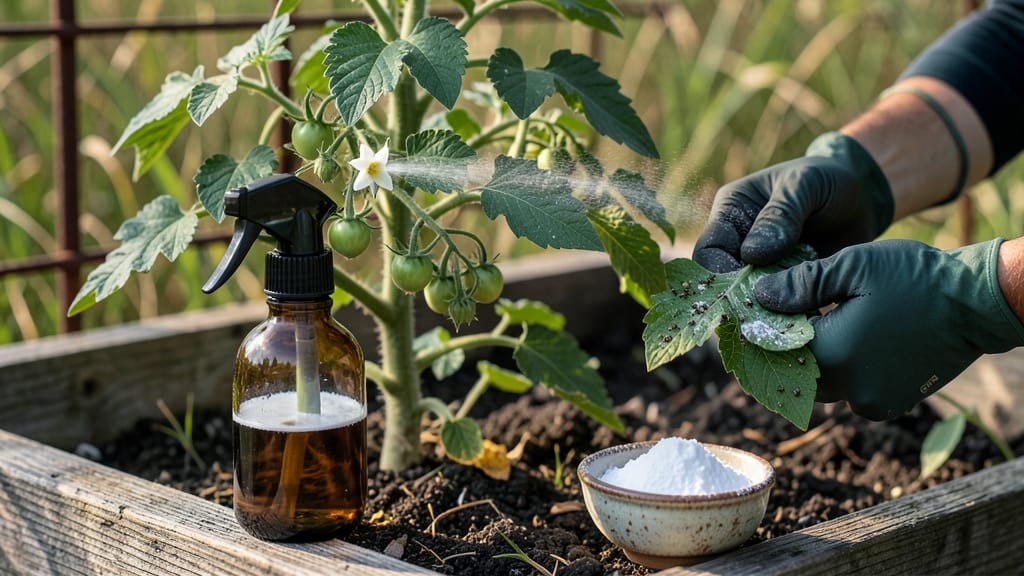
Using baking soda in the garden can treat fungal diseases, balance soil acidity, and repel pests when applied properly. Create sprays by mixing with water or sprinkle lightly on soil for targeted protection.
Baking soda's alkaline nature disrupts fungal spores and insect exoskeletons while gently adjusting soil pH without harming beneficial microbes. 🌱 For example, a 1-teaspoon-per-quart-water solution effectively treats powdery mildew, while a light soil application deters slugs.
The key is moderation—overuse can raise soil pH too much, affecting acid-loving plants like blueberries or azaleas.
Research shows baking soda's effectiveness against common garden pathogens, often rivaling commercial fungicides but with fewer harsh chemicals. I've found it particularly useful for organic gardeners who want to avoid synthetic treatments while maintaining healthy plant growth.
💡 In This Article
- How Baking Soda Works as a Natural Garden Solution
- Safe Ways to Use Baking Soda for Common Garden Problems
How baking soda works as a natural garden solution
Baking soda, or sodium bicarbonate, works as a garden solution because of its alkaline nature. When dissolved in water, it creates a basic environment that disrupts fungal spores by altering their cell membranes.
For example, powdery mildew thrives in neutral to slightly acidic conditions, but baking soda's pH of around 8.4 creates an inhospitable environment for these pathogens. The alkaline solution also interferes with the protective waxy coating on fungal spores, making them more vulnerable to environmental stresses.
The same alkaline properties make baking soda effective against soft-bodied pests like slugs and snails. When sprinkled lightly on soil or mixed into a spray, the coarse texture irritates their delicate skin, causing dehydration.
Studies have shown that a 1-teaspoon-per-gallon solution can deter these pests within 24 hours without harming beneficial insects like ladybugs or bees. 🌿 Unlike chemical pesticides, baking soda doesn't leave toxic residues, making it safer for organic gardening.
For soil pH adjustment, baking soda gently raises acidity levels by neutralizing hydrogen ions. Most garden soils have a pH range of 6.0-7.5, but baking soda can help shift this toward the neutral or slightly alkaline end.
However, the effect is gradual—typically requiring 1-2 pounds per 100 square feet worked into the top 6 inches of soil. This is particularly useful for plants like tomatoes or peppers that prefer slightly alkaline conditions, but caution is needed with acid-loving plants like blueberries.
What makes baking soda unique is its dual role as both a preventive and curative treatment. When used as a foliar spray (mixed at 1 tablespoon per quart of water), it creates a protective film on leaves that deters fungal spores from establishing colonies.
The spray also contains trace amounts of sodium, which some plants can absorb in small quantities to boost their natural defenses. This is why gardeners often see results within 3-5 days of application, especially in humid conditions where fungal growth thrives.
Research from the University of California Cooperative Extension supports baking soda's effectiveness against powdery mildew on cucumbers and squash, showing 70-80% reduction in disease severity when applied weekly.
The key advantage over commercial fungicides is its low environmental impact—baking soda breaks down naturally and doesn't contribute to soil or water contamination. However, it's not a standalone solution; combining it with proper spacing, air circulation, and resistant plant varieties yields the best results.
One common misconception is that baking soda can replace all chemical treatments. While it's effective for certain issues, it won't control hard-bodied insects like beetles or treat bacterial diseases.
The secret to success lies in proper application timing—spraying in the early morning when humidity is high and leaves are dry maximizes effectiveness. Always test on a small plant area first, as some varieties may show sensitivity to the sodium content.