
Planting
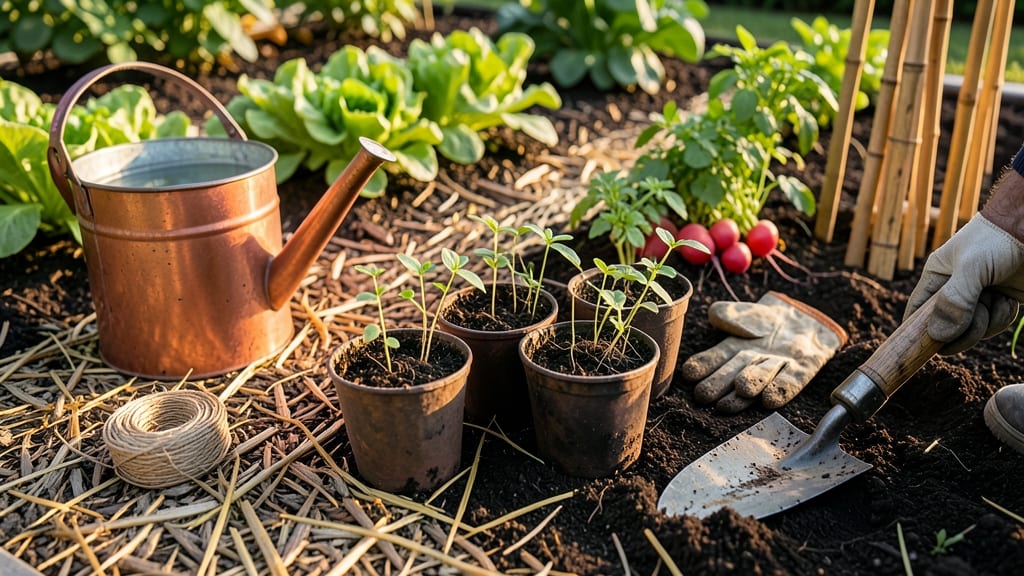
The best place to plant a garden receives 6-8 hours of sunlight daily, has well-draining soil with organic matter, and offers at least 4 feet of space between rows for airflow and growth. Avoid low-lying areas prone to waterlogging or excessive shade.
The ideal garden spot balances three key factors: sunlight exposure, soil quality, and proper spacing. Sunlight is non-negotiable—most vegetables and flowers thrive with full sun, while a few shade-tolerant plants can handle partial light. Well-draining soil prevents root rot and ensures nutrients reach plant roots efficiently, while organic matter like compost boosts fertility. Spacing isn't just about aesthetics—it reduces disease spread and allows plants to reach their full potential without competing for resources.
I’ve found that even a small backyard can yield big results when these basics are nailed down. 🌱
For instance, leafy greens like lettuce adapt well to partial shade, while tomatoes and peppers demand full sun to produce fruit. Raised beds solve drainage issues in heavy clay soil, and companion planting (like basil near tomatoes) can maximize space while improving yields.
The right setup turns gardening from a chore into a rewarding experience—where every plant has room to grow strong and healthy.
💡 In This Article
- Sunlight and Soil Requirements for a Thriving Garden
- Space Planning and Layout Tips for Optimal Garden Productivity
Sunlight and soil requirements for a thriving garden
Sunlight is the lifeblood of your garden, and the difference between 6 hours and 8 hours of daily exposure can mean the difference between a struggling plant and a thriving crop. Photosynthesis peaks when plants receive full sun (6+ hours), but the intensity matters too.
For example, a tomato plant in direct midday sun will produce 20-30% more fruit than one in dappled shade, thanks to higher chlorophyll production. Leafy greens like spinach or kale, however, can scorch in intense afternoon rays, which is why they often thrive in partial shade (3-6 hours of sun).
The key is matching plant types to their light needs—herbs like basil and oregano crave full sun, while ferns and hostas flourish in shade.
The soil beneath your garden is just as critical, with texture, pH, and drainage working together to determine plant health. Ideal garden soil should be a mix of 40% minerals (sand, silt, clay), 25% water, 25% air, and 10% organic matter.
Sandy soil drains too quickly, while clay holds water like a sponge—both extremes stress roots. A loamy soil (the gold standard) balances drainage and moisture retention. pH levels also matter: blueberries need acidic soil (pH 4.5-5.5), while most vegetables prefer slightly acidic to neutral (pH 6.0-7.0).
You can test your soil with a simple kit or send a sample to a local extension office for a detailed analysis.
Drainage is where many gardens fail, and waterlogged roots are a silent killer. Poor drainage leads to anaerobic conditions, where roots suffocate and fungi like Phytophthora thrive, causing root rot.
If your yard sits in a low spot or has heavy clay, consider raised beds or mounding soil to improve airflow. Adding compost or perlite (5-10% by volume) can also lighten compacted soil.
I’ve seen gardens in clay-heavy areas double their yield simply by amending the soil—proof that the right conditions can transform struggling plants into vigorous growers. 🌱
Organic matter isn’t just about fertility—it’s about creating a biologically active soil ecosystem. Compost introduces beneficial microbes that break down nutrients into forms plants can absorb, while earthworms aerate the soil naturally.
A 1-inch layer of compost mixed into the top 6 inches of soil can improve moisture retention by up to 30% and reduce the need for synthetic fertilizers.
Think of your soil as a living sponge: the more organic matter it contains, the better it holds water, nutrients, and oxygen—all essential for root development.
Seasonal sunlight patterns also play a role, especially in northern climates where winter sun is weak. If you’re planting perennials, choose varieties that tolerate partial shade in summer (when sun is intense) but still get enough light in winter.
For example, heuchera (coral bells) thrives in morning sun and afternoon shade, avoiding the heat stress that full sun can cause. Pay attention to how sunlight shifts across your yard throughout the day—what’s shaded in summer may get full sun in winter, and vice versa.
One common mistake is assuming "sunny" means the same thing for all plants. For instance, peppers need 8+ hours of sun to set fruit, while basil can handle 6 hours but may bolt (flower prematurely) if stressed by heat. The solution?
Group plants with similar light needs together in your layout. This not only maximizes sunlight efficiency but also makes watering and maintenance easier. A well-planned garden layout turns sunlight from a passive resource into an active tool for growth. ✨