
Planting
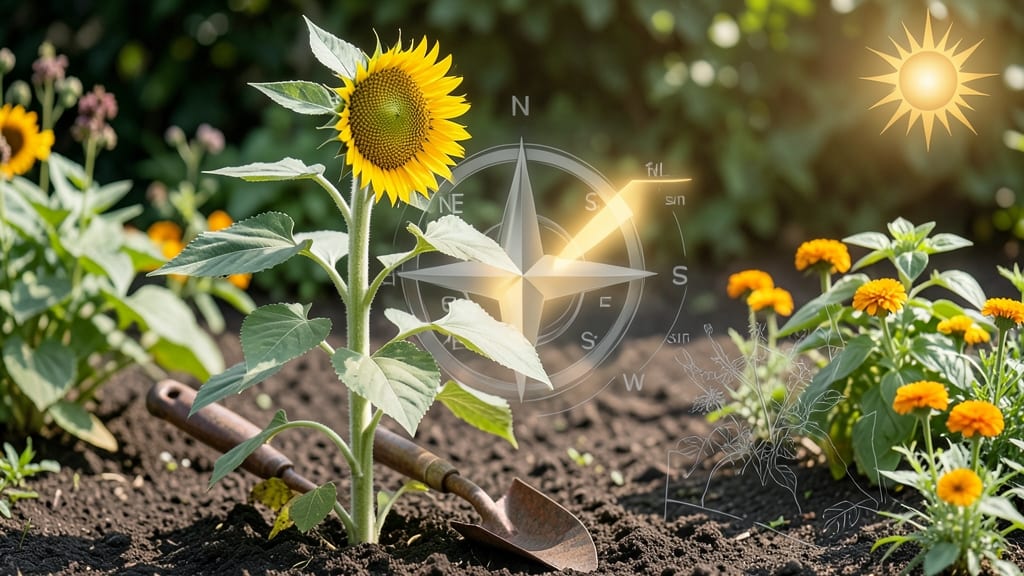
The best direction to plant a garden is south-facing for northern hemisphere locations, which provides 6-8 hours of direct sunlight daily for optimal plant growth. Adjust for shade preferences or southern hemisphere positioning as needed.
Sunlight direction isn't just about facing south—it's about matching your garden's exposure to your plants' needs. 🌞 In the northern hemisphere, south-facing gardens capture the most intense sunlight, but east-facing spots get gentle morning light ideal for leafy greens, while west-facing areas benefit from afternoon warmth.
I've seen tomatoes thrive in full sun but struggle in shaded corners, proving that even small directional shifts can dramatically affect yield and health.
Your local climate plays a bigger role than you might think. Coastal areas with foggy mornings might need west-facing beds, while inland regions benefit from east-facing setups to avoid afternoon heat stress.
Always observe your yard's sunlight patterns throughout the day—what looks perfect in summer might change dramatically in winter when the sun sits lower in the sky.
💡 In This Article
- How Sunlight Direction Affects Plant Growth
- Adjusting Garden Direction by Climate and Plant Type
How sunlight direction affects plant growth
Sunlight direction isn't just about facing south—it's about how solar angles interact with your plants' biology. Photosynthesis thrives when light hits leaf surfaces at 45-90 degrees, maximizing energy absorption.
In the northern hemisphere, south-facing gardens receive the most direct sunlight because the sun arcs from southeast to southwest, peaking around noon. This creates the intense, midday light that powerhouse plants like tomatoes and peppers need for fruiting. 🌱
The sun's path changes dramatically with seasons and latitude. At 40° north latitude (like Denver or Philadelphia), summer sunlight hits at 70° angles in June but drops to 25° in December.
This means your south-facing garden might get only 3-4 hours of direct light in winter—enough for hardy greens but not sun-loving annuals. Leafy plants like kale or spinach actually prefer this gentler winter light, while tomatoes may need supplemental grow lights during shorter days.
Direction also affects temperature and moisture patterns. West-facing beds can get hotter afternoon sun (up to 10°F warmer than east-facing spots), which helps ripen fruits faster but risks drying soil. East-facing gardens stay cooler longer, ideal for heat-sensitive plants like basil or lettuce.
The key is matching your garden's direction to your plants' native growing conditions—mediterranean herbs thrive in west-facing heat, while alpine plants prefer east-facing gentleness.
Color plays a subtle but important role too. South-facing gardens reflect more blue light wavelengths, which boosts flowering in plants like marigolds. East-facing beds emphasize red wavelengths in morning light, promoting leafy growth.
This is why your basil might grow bushier on the east side while your zinnias bloom more profusely to the south. 🌿 Understanding these light quality differences lets you strategically place plants for optimal growth patterns.
Don't overlook the ground level either. Tall plants like sunflowers or corn should face south to avoid shading shorter crops. I've seen rows of beans struggling under towering tomato plants—proper directional planning prevents this competition.
Even your garden's shape matters: rectangular beds aligned east-west maximize sunlight exposure across all plants, while north-south rows create uneven light distribution.
Here's a quick reference for common plants and their ideal directions:
- South-facing: Tomatoes, peppers, eggplants (need 6-8 hours direct sun)
- East-facing: Leafy greens, lettuce, herbs (prefer morning sun)
- West-facing: Melons, squash, basil (tolerate afternoon heat)
- Partial shade (north-facing): Hostas, ferns, shade-loving perennials