
Watering
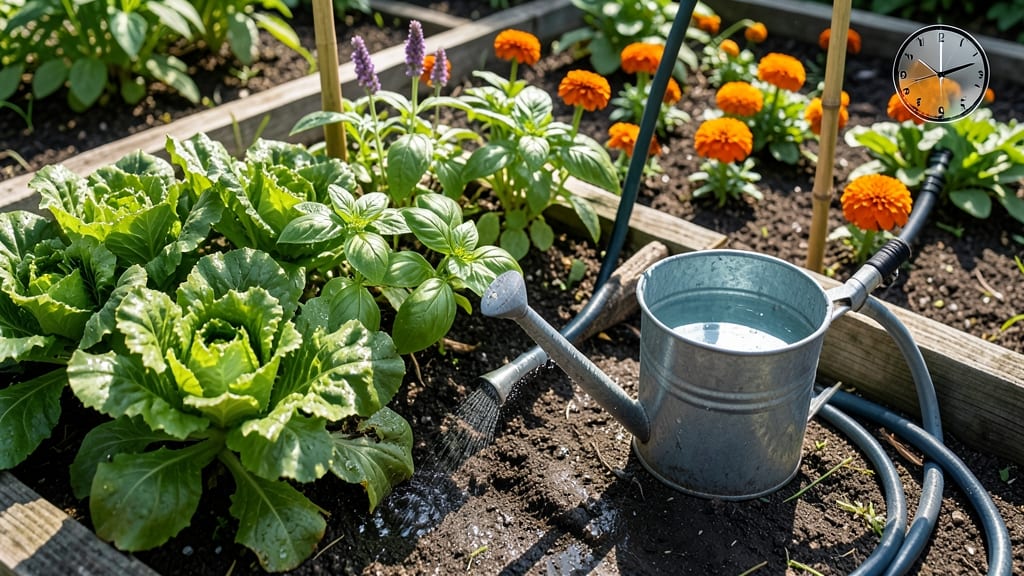
When’s the best time to water a garden? Knowing the answer saves plants and cuts your water bill in half—and it’s not what you think.
Overwatering kills plants faster than underwatering—yet most gardeners waste time (and water) guessing the perfect moment to hydrate their soil. The secret? Timing your watering by soil conditions, not just the clock.
Morning watering is often touted as the gold standard, but that’s only half the story. Heat, soil type, and even plant varieties play a bigger role than you’d expect. For example, sandy soil drains quickly, while clay holds moisture like a sponge.
Below, I’ll break down the science-backed window for watering, how to test your soil for moisture, and the three mistakes that waste the most water. You’ll never second-guess your schedule again.
The ideal times to water based on temperature and sunlight
Watering your garden at the right time isn't just about convenience—it's about giving your plants the maximum moisture absorption while minimizing waste. Temperature fluctuations and sunlight intensity dramatically change how quickly water evaporates and how deeply it penetrates soil.
For example, watering at peak heat (10 AM–4 PM) can cause only 10% of water to reach roots due to rapid evaporation. Timing matters just as much as how much you water.
Most gardeners assume evening watering is best, but science shows that early morning (5–9 AM) is actually ideal for most climates. This window allows roots to absorb water before the sun intensifies, reducing fungal risks like powdery mildew that thrive in damp evening conditions.
However, regional differences—like humid Southern gardens versus arid Southwest landscapes—mean one-size-fits-all advice rarely works. Let's break down the best times based on your local conditions.
| Time of Day | Best For | Evaporation Rate | Root Absorption | Fungal Risk |
|---|---|---|---|---|
| 5–9 AM (Early Morning) | Most climates, all plants | Low (30–50% loss) | High (80–90% absorption) | Low |
| 4–7 PM (Late Evening) | Hot/dry climates (e.g., deserts) | Very Low (10–20% loss) | Moderate (60–70% absorption) | High (fungal growth risk) |
| 10 AM–4 PM (Midday) | Avoid entirely | Extreme (70–90% loss) | Very Low (10–20% absorption) | Moderate (leaf burn risk) |
| Night (After 8 PM) | Humid climates only | None (100% retention) | Low (40–50% absorption) | Very High (fungal risk) |
If you live in a humid region like Florida or the Pacific Northwest, late evening watering (4–7 PM) can work because cooler temps reduce evaporation. However, this increases fungal diseases like blight, so only use this method if your area stays dry overnight.
For arid climates such as Arizona or California, evening watering helps retain moisture, but you must water deeply and infrequently to encourage root growth downward.
Temperature plays a critical role in watering efficiency. When daytime highs exceed 85°F (29°C), water evaporates up to 3x faster than at 70°F (21°C). This means your morning watering session might need to be 30–50% longer in summer.
Use a rain gauge or trowel test to check soil moisture—if the top 2 inches are dry by mid-morning, you're likely losing too much water to evaporation.
Seasonal adjustments are key. In spring and fall, when temps are moderate, early morning watering is perfect for most plants. But during summer heatwaves, split your watering into two sessions: once at 5 AM and again at 6 PM.
This two-step approach mimics natural rainfall patterns and reduces stress on heat-sensitive plants like tomatoes or peppers.
Don't forget about mulch—a 2–3 inch layer of organic mulch (straw, wood chips) can reduce evaporation by up to 40%. Apply mulch after watering to lock in moisture, but keep it 2 inches away from plant stems to prevent rot.
For container gardens, use self-watering pots or place them in shaded areas to slow moisture loss.
Regional microclimates also demand attention. Urban gardens surrounded by pavement may dry out faster due to heat island effect, while shaded garden beds under trees retain moisture longer. Adjust your watering schedule by observing leaf wilting or soil crusting—these are clear signs your current timing isn't working.
For example, if your hostas wilt by noon, they need deeper, earlier watering.
Pro tip: Use a smart sprinkler controller or weather-based irrigation system to automate adjustments. These tools sync with local forecasts, reducing your workload while optimizing water use. Even a simple DIY moisture sensor (like a buried plastic bottle) can help track when your soil needs hydration without guesswork.
Remember, the goal is consistent soil moisture, not soggy soil or parched roots. By aligning your watering with your local climate and plant needs, you'll save time, water, and keep your garden thriving all season long. 🌱
3 Soil moisture tests to determine when plants actually need water
Guessing when to water your garden can leave your plants thirsty or drowning. Instead of relying on schedules, I use soil moisture tests to check hydration levels directly. These methods help me avoid overwatering while ensuring roots get the moisture they crave.
The best part? They work for sandy, clay, and loamy soils, and adapt to vegetables, flowers, and shrubs alike.
Soil moisture tests save water, energy, and your sanity. For example, my tomatoes in loamy soil need watering every 3-4 days, but my succulents in sandy soil thrive on weekly deep watering.
The key is understanding how each test reveals your soil's unique personality. Let's dive into the three foolproof methods I swear by.
Stick your index finger 1-2 inches into soil. If dry, water. Perfect for vegetable gardens and annual flowers.
Twist a flat-head screwdriver into soil. If it resists, soil holds moisture. Ideal for shrubs and perennial beds with deep roots.
Lift a pot or feel garden soil. Lightweight means dry; heavy means moist. Best for container plants and potted herbs.
For the finger test, I focus on the first 2 inches of soil—this is where most plant roots thirst for moisture. In sandy soil, which drains quickly, I check daily, while clay soil holds moisture longer, so I test every 3-4 days.
My roses in clay soil rarely need watering, but my lettuce in sandy soil wilts fast without daily checks.
When using the screwdriver check, I look for resistance at 3-4 inches deep, especially for shrubs like hydrangeas or fruit trees. The screwdriver works best in loamy soil because it balances drainage and moisture retention.
I avoid this test in rocky soil, where the screwdriver might hit obstacles instead of revealing moisture levels.
The weight test is my go-to for container gardens. I lift a 5-gallon pot—if it feels light, the soil needs water. For heavy clay pots, I compare weight to my baseline "fully watered" measurement.
This method saves me from overwatering succulents and cacti, which store moisture in their leaves and roots.
Pro tip: Combine tests for accuracy. For example, I use the finger test in the morning and the screwdriver check in the afternoon to track moisture changes. My tomato plants love this dual approach—they get consistent hydration without soggy roots.
Remember, overwatering is just as deadly as underwatering, so always err on the side of caution.
Start with one test that fits your garden's needs, then adjust based on your plants' responses. Within a week, you'll have a personalized watering rhythm that keeps your garden thriving—no guesswork required. Happy testing! 🌱