
Vegetables
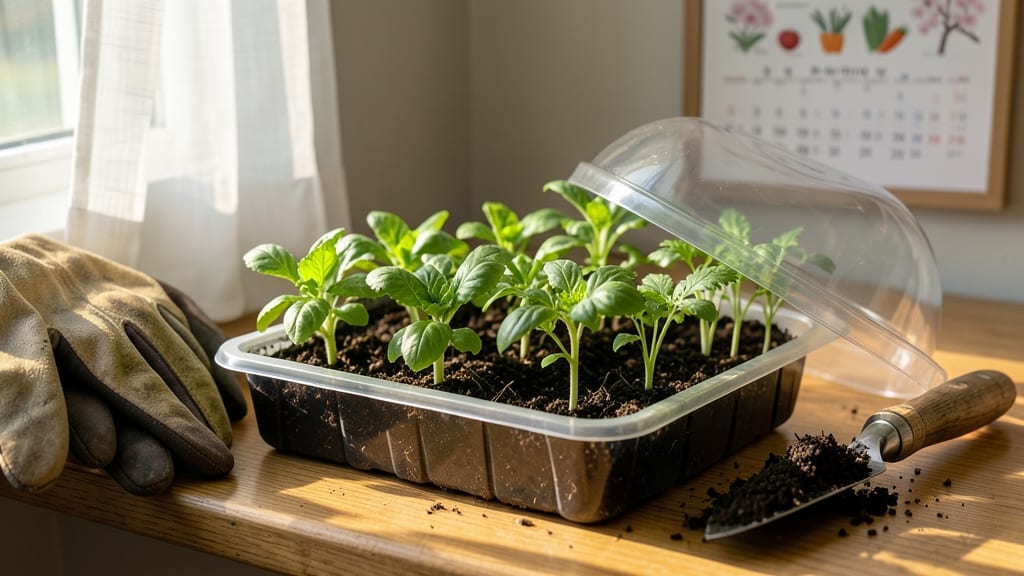
To start gardening vegetables at the right time means catching that sweet spot between frost and heat—when soil warms, seeds sprout, and your spring harvest is just weeks away.
Picture this: you’ve cleared the garden bed, ordered your seeds, and the weather forecast looks perfect—except you missed the window by a week. Now your cool-season greens bolt before you even taste them, or your tomatoes struggle in the heat.
Timing isn’t just about dates; it’s about understanding your zone, your microclimate, and which crops thrive when.
Whether you’re in Zone 6a or a warmer region, the key is knowing when to start seeds indoors, when to direct-sow outdoors, and how to adjust for early or late seasons.
I’ll break down the exact weeks to plant by crop type, so you can avoid the common mistakes that leave gardens half-empty.
By the end, you’ll have a clear planting calendar tailored to your location, plus pro tips for extending seasons with row covers or cold frames. Ready to turn those seed packets into a bountiful harvest? Let’s get started.
Best planting times for vegetables by USDA Hardiness zones
Understanding your USDA Hardiness Zone is the first step to successful vegetable gardening. These zones help predict last frost dates and first frost dates, which directly impact when you can plant cool-season crops like lettuce or warm-season favorites like tomatoes.
For example, Zone 5 gardeners face earlier frosts than Zone 10 growers, requiring different planting strategies.
Cool-season vegetables thrive in spring and fall, while warm-season crops need warm soil and consistent heat. The key is aligning your planting window with your zone’s average frost dates. Most seed packets list days to maturity—use this to calculate when to start seeds indoors or direct-sow outdoors.
For instance, a 60-day tomato in Zone 8 should be planted 2 months before the last frost.
📌 Find your zone: Use the USDA Plant Hardiness Zone Map or check your local Cooperative Extension Service for precise frost dates. Many garden centers also provide zone-specific planting guides. Once you know your zone, adjust planting times by 2-4 weeks depending on microclimates (e.g., urban areas may be warmer than rural zones).
In Zone 3-4, where frosts linger until mid-May, focus on early spring crops like peas and spinach. Plant these 8–10 weeks before frost to ensure harvests before summer heat arrives.
For Zone 5-6, you can start cool-season crops as early as February, but wait until after April 15 for warm-season plants like peppers and eggplants.
Zones 7-8 enjoy longer growing seasons, allowing for two full harvests of cool-season crops. Start leafy greens in January and broccoli in February for spring harvests, then replant in late summer for fall.
In Zone 9-10, you can grow year-round, but prioritize heat-tolerant varieties like Malabar spinach or okra during peak summer.
For warm-season crops, soil temperature matters more than air temperature. Use a soil thermometer to confirm 60°F+ for tomatoes and peppers. In cooler zones (Zone 5), consider black plastic mulch to warm soil faster.
In warmer zones (Zone 10), provide shade cloth during summer to prevent bolting in lettuce or flowering in basil.
Pro tip: Use row covers to extend spring planting by 2–4 weeks in all zones. For example, in Zone 6, cover cabbage planted in March to protect against late frosts. Similarly, fall crops like kale benefit from row covers to delay frost damage in Zone 5 gardens.
Adjust for microclimates—south-facing slopes warm up faster than north-facing beds. If your garden sits in a low-lying area, expect later last frosts and earlier first frosts.
Conversely, urban areas with heat islands may allow for earlier warm-season planting. Always monitor local weather forecasts for unpredictable frost events.
Remember, succession planting is your best friend for continuous harvests. In
Vegetable planting calendar: when to start seeds indoors vs. direct-sow outdoors
Mastering the art of seed-starting indoors and direct sowing outdoors is key to a successful vegetable garden. Some plants, like peppers and broccoli, thrive when started indoors 6-8 weeks before the last frost.
Others, such as beans and radishes, prefer being sown directly into warm soil. Understanding these differences saves time and ensures a bountiful harvest.
Your USDA hardiness zone plays a major role in timing. For example, in Zone 5, you might start tomatoes indoors in March, while in Zone 10, you could direct-sow them as early as January.
Always calculate your days to maturity—this tells you how long each plant needs to produce a harvest.
Here’s a quick reference for common vegetables and their ideal planting strategies:
For Southern climates (Zones 8-10), you can start warm-season crops like eggplants and okra indoors in February and direct-sow them by March. In Northern climates (Zones 3-5), wait until April for direct sowing and start seeds indoors in March.
Pro tip: Use a planting calendar or app to track your last frost date and count backward based on each plant’s days to maturity. This ensures you’re planting at the perfect time for a continuous harvest.
For example, if your last frost is May 15 and your tomatoes take 80 days to mature, start seeds indoors by February 25.
Don’t forget to harden off seedlings before transplanting outdoors. This gradual adjustment to outdoor conditions helps prevent shock and sets your plants up for success. With the right timing, you’ll enjoy a garden bursting with fresh, homegrown vegetables all season long! 🌱