
Tools
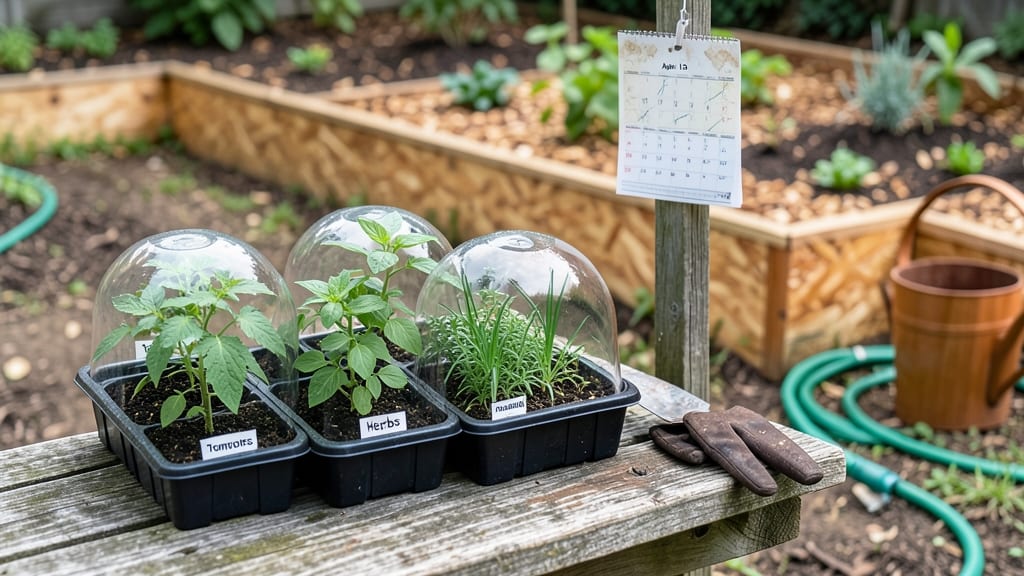
Starting a garden in Ohio means timing your first seeds and transplants after the last frost date—typically between mid-April and early May, depending on your USDA zone.
Ohio gardeners know timing is everything—plant too early and risk frost damage, too late and miss peak harvests. But with Ohio’s diverse microclimates and USDA zones (4-6), figuring out the perfect planting window can feel overwhelming.
Whether you’re sowing cool-season crops like spinach or waiting for soil to warm for tomatoes, the key is knowing your zone’s average frost-free date. Some years, late frosts delay planting, while others bring early warmth—so flexibility matters.
Below, I break down Ohio’s planting calendar by zone, share pro tips for adjusting to unpredictable weather, and list the best early crops to get your garden growing strong before Memorial Day.
Ohio’s frost-free dates by USDA zone: when to plant vegetables & flowers
Ohio spans USDA zones 4a through 6b, meaning frost dates vary dramatically across the state. In northern Ohio (4a-5a), gardeners often wait until mid-May for warm-season crops, while southern Ohio (6a-6b) can start as early as late April.
These differences impact everything from tomato planting to flower blooms.
Understanding your last frost date is critical—it determines whether you’ll grow peppers in pots (which need warmth) or spinach in the ground (which thrives in cool soil). Below is a zone-by-zone breakdown of Ohio’s frost-free windows, plus ideal planting times for both cool-weather crops and heat-loving plants.
Pro Tip: Use a soil thermometer (not just air temperature) to confirm readiness—50°F+ for cool crops, 60°F+ for warm crops. Ohio’s unpredictable spring can delay planting by weeks!
For cool-season crops like spinach or peas, aim to plant 4–6 weeks before your last frost. These frost-tolerant plants can even handle light freezes.
Meanwhile, warm-season crops (tomatoes, peppers, squash) need soil temperatures above 60°F—so wait until 2 weeks after your last frost or use black plastic mulch to warm the soil faster.
Ohio’s first frost typically arrives between October 10–20, but southern zones (6a-6b) can extend growing seasons with row covers or greenhouses. Plant cool-season crops like kale in late summer for fall harvests—they’ll sweeten after frost!
Need a quick reference? Bookmark the Ohio State University Extension’s frost date map ([extension.osu.edu](https://extension.osu.edu)) for real-time updates. Local Master Gardener programs also host free planting workshops in spring—check your county’s agricultural office for dates.
Remember: Microclimates matter. A south-facing slope warms up faster than a shady valley, so adjust planting dates accordingly. If you’re unsure, start seeds indoors 6–8 weeks before your last frost for a head start on the growing season.
For flowers, most annuals (like marigolds or zinnias) can wait until after
How to adjust planting times for Ohio’s unpredictable weather patterns
Ohio’s weather can shift faster than a summer thunderstorm—one day it’s 60°F, the next a frost warning hits. As someone who’s lost entire tomato seedlings to late spring frosts, I’ve learned to play it smart.
The key? Adjusting your planting timeline based on soil temperature, microclimates, and Ohio’s infamous whiplash weather. Let’s break down how to stay one step ahead.
First, recognize that Ohio isn’t one climate—it’s a patchwork of USDA zones 4-6, with Toledo’s lake-effect moderation and Columbus’s inland extremes. A cold-hardy kale planted in early April in Zone 5 might thrive, while the same crop in Zone 4 could get nipped.
Even within cities, urban heat islands can push planting dates 1-2 weeks earlier than rural areas.
🌱 5 Pro Tips for Ohio’s Unpredictable Weather
- 1. Test soil temp—Use a soil thermometer (50°F+ for peas, 60°F+ for tomatoes). Cold soil = stunted growth.
- 2. Start cold-hardy crops indoors 6-8 weeks before last frost (spinach, lettuce) to beat surprises.
- 3. Use row covers for 2-3 weeks post-planting—they add 5-10°F protection against late frosts.
- 4. Plant warm-season crops after May 15 in most of Ohio—wait for 3 consecutive days above 55°F.
- 5. Succession plant heat-lovers (like beans or cucumbers) every 2 weeks to stretch harvests.
For Toledo vs. Columbus, timing differs by 10-14 days. Toledo’s lake breezes delay frost until mid-April, while Columbus often sees its last frost by April 15. Use the Ohio State Extension’s frost date map to pinpoint your microclimate.
Pro tip: If you’re in Zone 4b, err on the side of late planting—better to wait a week than lose your eggplant starts.
Heatwaves are another Ohio wildcard. If a 90°F+ spell hits in June, leafy greens bolt, and root veggies get woody. Solution? Plant shade-tolerant crops (like bush beans or Swiss chard) near taller plants to shield them. Or, switch to heat-resistant varieties (e.g., ‘Heatmaster’ tomatoes) when temps climb.
Don’t forget extending seasons—both ends. Use black plastic mulch to warm soil 5-8°F faster in spring, or straw mulch to insulate roots in fall. For fall planting, aim for crops with 60-90 day maturities (kale, radishes) and sow by August 15 in most of Ohio.
A cold frame can add 2-3 extra months to your growing season!
When in doubt, observe nature. Dandelions blooming? Soil’s likely 55°F+**. Lilacs in full bloom? Time to plant warm-season crops. And if your neighbor’s tomatoes are thriving while yours aren’t, ask about their microclimate tricks—Ohio’s gardening secrets are often hidden in plain sight. 🌱