
Tools
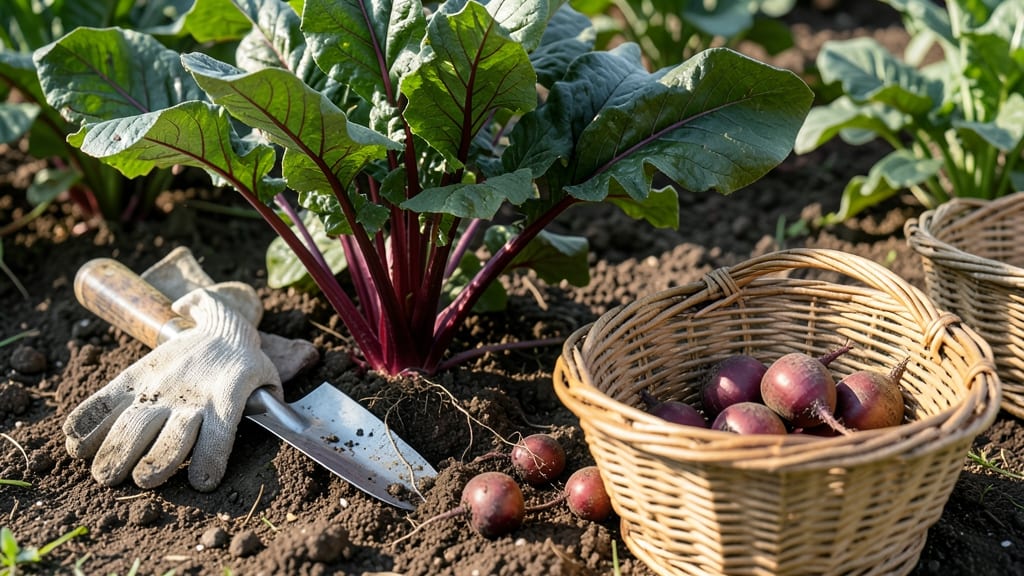
To pull beets from the garden at the perfect time, harvest when they reach 1-2 inches in diameter for tender, sweet roots, or wait 2-3 months for larger, mature beets with deeper flavor. Always check soil readiness by gently tugging—roots should slide out easily without resistance.
Timing your beet harvest makes all the difference in taste and texture. 🌱 Baby beets—those 1-2 inch roots—develop their natural sweetness quickly, perfect for salads or quick cooking. Larger beets, grown over 2-3 months, develop more complex flavors but require proper soil conditions.
I’ve found that waiting until the tops reach 3-4 inches wide often signals peak maturity, though this varies by variety. The tug test is your best friend: if the beet resists, it’s not ready yet.
Soil moisture and weather play key roles too. Harvest on a cool, cloudy day to prevent stress on the roots, and avoid pulling after heavy rain when soil becomes too loose.
For early-season varieties, you might harvest as soon as 4-6 weeks, while late-season types can wait until 3 months for maximum sweetness. Always leave about 1 inch of stem attached to preserve flavor during storage.
💡 In This Article
- Beet Root Size and Maturity Indicators
- Testing Soil and Beet Readiness Before Harvest
Beet root size and maturity indicators
Beet root size directly impacts sweetness and texture due to how starches convert to sugars during growth. Baby beets—those 1-1.5 inches in diameter—develop their natural sweetness within 4-6 weeks after planting.
Their tender texture makes them perfect for raw applications like salads or quick cooking methods like roasting at 400°F for 20-25 minutes. The key is their high sugar-to-starch ratio at this stage, which creates that signature mild, earthy sweetness without the fibrous bite of larger roots.
As beets mature to 2-3 inches, their cell walls thicken and starches continue converting to sugars, deepening both flavor and color. This transformation typically takes 2-3 months, depending on variety and growing conditions.
For example, 'Detroit Dark Red' develops its signature deep crimson hue and robust, slightly earthy taste at this stage. The trade-off?
Larger beets require longer cooking times—45-60 minutes when boiled—to soften their denser fibers. 🌱 What most gardeners don't realize is that beets left in the ground too long can become woody and develop a bitter aftertaste due to excessive starch buildup.
Leaf size offers another clue to maturity. When the foliage reaches 3-4 inches wide with 4-6 leaves, the roots are often at their sweetest peak.
The leaves act like a barometer—if they start yellowing or bolting (sending up flower stalks), it's a sign the beet has prioritized reproduction over root development. This is especially true for bolting-resistant varieties like 'Golden' or 'Chioggia', which maintain sweetness longer.
For optimal flavor, harvest when leaves are vibrant green but before they begin wilting.
Temperature plays a surprising role in sweetness development. Cooler daytime temperatures (60-70°F) and cooler nighttime temps (50-55°F) slow starch conversion, resulting in sweeter roots. This is why early spring or fall plantings often yield more flavorful beets than summer crops.
The opposite happens in hot weather—beets grown above 80°F develop more starch and less sugar, leading to a tougher, less sweet root. This is why many gardeners swear by succession planting: starting seeds every 2-3 weeks ensures a continuous harvest of optimally sweet beets.
Consider these size-based harvesting guidelines for common varieties:
- Baby beets (1-1.5 inches): Harvest in 4-6 weeks for tender, sweet roots ideal for raw eating or quick cooking
- Standard beets (2-3 inches): Ready in 2-3 months with deeper flavor and firmer texture, perfect for roasting or boiling
- Large storage beets (3+ inches): Require 3 months+ of growth for maximum sweetness and long-term storage potential
The science behind this involves how beets store energy. During daylight, they convert sunlight into starches stored in their roots. At night, these starches convert to sugars through a process called respiration. The longer the growing season, the more complete this conversion becomes, resulting in sweeter roots.
This is why longer daylight hours (like in summer) can actually reduce sweetness—beets have less time for nighttime sugar conversion. 💫