
Planting
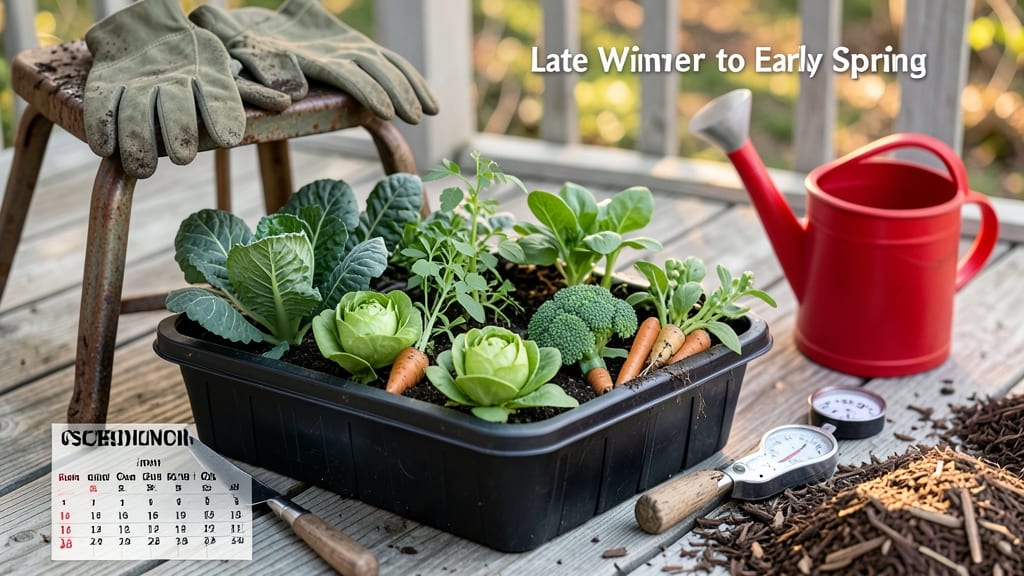
Planting a vegetable garden in Seattle means timing your crops to avoid the late spring frosts that can turn tender seedlings into sad, blackened memories.
Seattle’s unpredictable weather can turn a thriving vegetable garden into a frost-killed disappointment—or a lush harvest—depending on when you plant. Timing is everything, and missing the window by even a few weeks can mean the difference between bumper crops and wilted disappointment.
Cool-season crops like kale and carrots thrive when planted in early spring, while tomatoes and peppers need to wait until after the last frost—usually around mid-May.
But knowing the exact moment to start isn’t just about the calendar; it’s about soil temperature, microclimates, and even the phase of the moon (okay, maybe not that last one).
In this guide, I’ll break down the best planting months for Seattle’s most popular vegetables, share strategies to extend your growing season, and help you avoid common mistakes that turn hopeful gardeners into frustrated ones. Let’s get those seeds in the ground at the right time!
Seattle’s frost dates and best planting months by vegetable type
Seattle’s cool maritime climate and USDA Zones 7b-8a create unique planting challenges. The average last frost date is May 15, while the first frost typically arrives October 15.
These dates bookend your growing season, but smart gardeners adjust for microclimates—like warmer urban areas or cooler mountain foothills—and crop-specific needs. Understanding these windows helps you avoid frost damage to tender plants or bolting in heat-sensitive greens.
Cool-season crops like kale, spinach, and carrots thrive in Seattle’s mild springs and falls, while tomatoes, peppers, and cucumbers need warmer soil temperatures (above 50°F) to germinate.
Below, I’ve broken down the ideal planting months for each category, plus succession planting tips to maximize your harvest. Pro tip: Use row covers to extend early spring or late fall planting by 2-4 weeks!
| Vegetable Type | Best Planting Months | Soil Temp Requirement | Days to Harvest | Seattle-Specific Tip |
|---|---|---|---|---|
| Cool-Season Crops | March–April, August–September | 40–60°F | 30–90 days | Use row covers for late fall harvests |
| Leafy Greens (Spinach, Lettuce, Kale) | March–April, August–September | 45–55°F | 30–60 days | Avoid planting in July–August heat (bolting risk) |
| Root Crops (Carrots, Beets, Radishes) | March–May, August–September | 50–65°F | 45–80 days | Loosen soil to prevent forked carrots |
| Brassicas (Broccoli, Cabbage, Brussels Sprouts) | March–April, August | 50–60°F | 60–120 days | Start seeds indoors in February for transplants |
| Warm-Season Crops | May–June (after last frost) | 60–80°F | 50–100 days | Use black plastic mulch to warm soil faster |
| Tomatoes & Peppers | May–June (transplants) | 65–85°F | 70–90 days | Choose early-maturing varieties like 'Stupice' tomato |
| Cucumbers & Summer Squash | May–June | 60–70°F | 45–60 days | Train vines on trellises to save space |
| Corn & Beans | May–June | 60–75°F | 60–100 days | Plant pole beans near corn for support |
For cool-season crops, I recommend starting seeds indoors in February for transplants after the last frost. Leafy greens like spinach and lettuce can handle light frosts, but broccoli and cabbage need consistent cool temps (50–60°F) to form heads. Carrots and beets prefer loose, stone-free soil—Seattle’s clay can be tricky, so amend with compost before planting.
If you’re new to gardening, radishes are the perfect beginner crop: they germinate in just 3–5 days and mature in 30 days!
Warm-season crops need warmer soil (at least 60°F) to germinate, which in Seattle usually means waiting until late May. Tomatoes and peppers are especially sensitive—planting too early can lead to blossom end rot or stunted growth.
To speed up soil warming, lay down black plastic mulch 2–3 weeks before planting. For cucumbers and squash, choose bush varieties to save space, or train vines on trellises to keep fruit off damp soil (reducing rot risk).
Don’t overlook succession planting—this is how Seattle gardeners squeeze extra harvests from limited space! For example, sow bush beans every 2 weeks from June through July for a continuous supply. Similarly, lettuce and radishes can be planted every 3 weeks from March through September.
Even kale and spinach benefit from staggered plantings: an early spring crop, a late summer crop, and a fall crop under row covers can give you greens year-round.
Seattle’s microclimates can shift planting windows by 2–4 weeks. Areas near Puget
How to extend your Seattle growing season for year-round harvests
Seattle’s cool, wet climate and short growing season (about 180 frost-free days) might seem challenging, but with the right strategies, you can enjoy fresh vegetables nearly year-round. The key is extending both ends of your growing window—protecting early spring plantings from frost and pushing fall harvests into winter.
I’ve found that combining season-extending tools with succession planting and cold-hardy varieties can add 4-6 extra months of harvests. For example, my kale and spinach thrive well into December with just a simple row cover, while my garlic overwinters to produce scapes in June.
- 1
- 2
- 3
- 4
- 5
For early spring extensions, I start by installing low tunnels over my spinach and peas beds in late February. This creates a microclimate that warms soil faster, allowing me to plant 2-3 weeks earlier than the average last frost date (May 15).
I’ve even had lettuce ready for harvest by early April!
In late summer, I switch tactics by focusing on shade cloth for heat-sensitive crops like cucumbers and zucchini. A 30% shade cloth reduces soil temps by 10-15°F, preventing bolting and keeping plants productive through September. Pair this with drip irrigation to maintain moisture during Seattle’s dry spells.
Don’t overlook fall planting—this is when Seattle gardeners get their most rewarding harvests! I direct-sow kale, carrots, and beets in early August for fall harvests. The long daylight of summer gives these crops time to mature before winter sets in.
For extra protection, I use floating row covers to shield young plants from early October frosts.
Pro tip: Keep a planting calendar with your local frost dates and succession schedules. I mark my first frost date (October 15) in red and work backward from there.
For example, if broccoli needs 70 days to mature, I plant it by August 5 to ensure a harvest before winter.
With these strategies, my year-round harvests now include winter greens, spring radishes, summer tomatoes, and fall carrots—all while adapting to Seattle’s ever-changing weather. The secret? Stay flexible and protect your plants at every stage! 🌱