
Picking
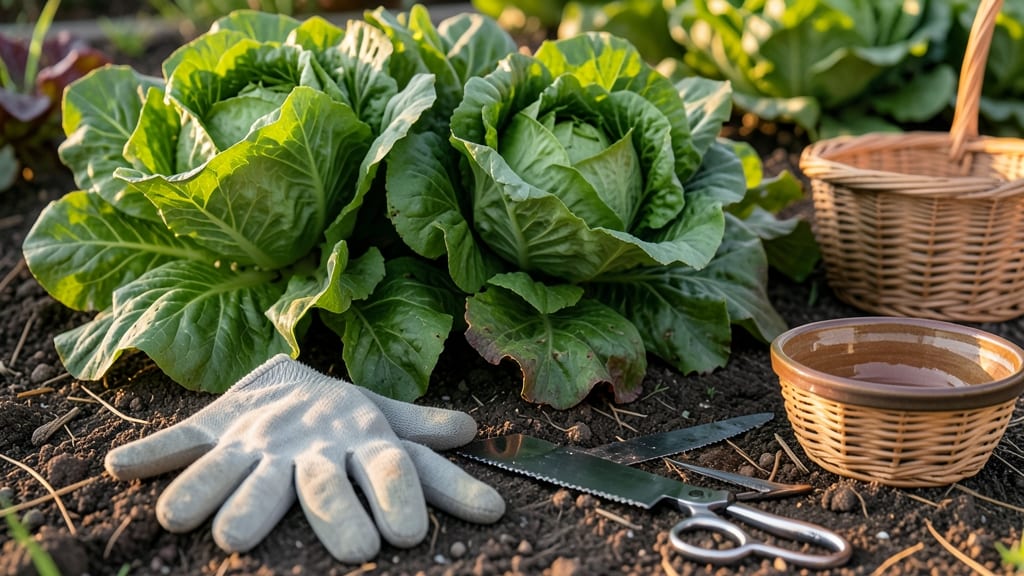
Garden lettuce is ready to pick when outer leaves reach 4-6 inches and feel crisp but tender, not woody.
Nothing beats the fresh, crisp bite of homegrown lettuce—but timing your harvest wrong can turn sweet rewards into bitter disappointment. If you snag those leaves too early, you’ll miss peak flavor, and waiting too long risks bolting or tough textures.
I’ve learned the hard way that visual cues matter more than days since planting.
Look for vibrant color, firmness, and at least 3-4 mature outer leaves before cutting. The key is consistency: harvest outer leaves first to keep the center producing, and you’ll enjoy a steady supply all season. Whether you’re growing butterhead or romaine, these signs ensure every bite is perfect.
Below, I’ll break down 5 foolproof visual cues to nail your harvest timing, plus how to extend your lettuce’s life with the cut-and-come-again method. No more guesswork—just crisp, flavorful greens straight from your garden.
5 Visual cues to identify perfectly ripe garden lettuce
Harvesting lettuce at the right time transforms your garden into a crisp, flavorful salad bar. The key is watching for visual maturity cues that vary slightly between loose-leaf, romaine, and butterhead varieties.
Miss these signs, and you risk picking leaves that are either too small or bitter from bolting—both are garden heartbreaks you can easily avoid.
I've learned the hard way that waiting too long for "perfect" size often means sacrificing tenderness. The ideal harvest window is when your lettuce hits 4-6 inches in leaf length while still maintaining that buttery texture we all crave.
Let me walk you through the five foolproof visual cues that tell you "yes, it's time!"
- 1 Leaf Size: Outer leaves should reach 4-6 inches long. For baby lettuce, harvest when leaves are 2-3 inches—this is where the sweetest flavor lives.
- 2 Color Vibrancy: Deep, consistent color (green, red, or purple) without yellowing. Butterhead should have soft, creamy edges, while romaine stays crisp green with no brown streaks.
- 3 Texture Test: Leaves should feel firm but tender. Run your thumb over a leaf—if it feels woody or crispy, you've waited too long. The ideal texture is like a thick paper towel.
- 4 Growth Pattern: The plant should have 3-4 mature outer leaves. If the center leaves are tightly packed, it's not ready. Loose-leaf varieties can be harvested leaf by leaf once outer leaves reach 3 inches.
- 5 Bolting Warning: Check the base of the plant for flower stalks. If you see tall stems or yellowing leaves, the lettuce has bolted—it's bitter and past its prime. This happens when days get too long or hot.
Pro tip: For continuous harvesting, use the cut-and-come-again method. Snip outer leaves at the base, leaving the inner growth intact. This works especially well for loose-leaf varieties and can extend your harvest by 3-4 weeks if done correctly.
One common mistake I see is waiting until lettuce forms a tight head—this is a sure sign of bolting. Instead, focus on those outer leaf cues.
For romaine, the head should be firm but not rock-hard, while butterhead varieties should have soft, overlapping leaves like a velvety blanket.
Season matters too. In hot summers, lettuce bolts faster—watch for these cues 2-3 weeks earlier than in cooler spring or fall. I've had the most success harvesting in morning hours when leaves are crispest, right after dew has dried but before the sun intensifies.
Remember, the earlier you harvest, the more tender and flavorful your lettuce will be. If you're unsure, do a taste test—bitter? Wait another day. Sweet and crisp? That's your perfect harvest window.
Now that you know these visual cues, you'll never second-guess your lettuce harvest again. Grab your sharp scissors or clean knife, and enjoy that garden-fresh crunch without the bitter aftertaste.
How to harvest lettuce without damaging future growth
Harvesting lettuce correctly is an art that balances immediate yield with future regrowth. Unlike many vegetables, lettuce thrives when you pick leaves selectively rather than pulling the whole plant. This method—called cut-and-come-again harvesting—lets you enjoy fresh leaves for weeks longer while keeping your plants productive.
Whether you're growing loose-leaf varieties or head lettuce, the right technique ensures tender, flavorful harvests.
Start by understanding your lettuce type. Loose-leaf varieties like Buttercrunch or Oakleaf regrow well after partial harvests, while romaine and iceberg are best harvested all at once when fully mature.
For baby lettuce mixes, avoid cutting more than one-third of the plant at a time to prevent stress. Timing matters too—harvest in the morning after dew dries for crispest leaves.
Use the right tools to minimize damage. A sharp pair of kitchen scissors or a clean pruning shear works best—never tear leaves by hand. For cut-and-come-again harvesting, cut leaves just above the base at a 45-degree angle.
This angle helps water run off, reducing rot. Rinse your tools with rubbing alcohol between harvests to prevent disease spread, especially in humid climates.
For head lettuce varieties, wait until the entire head feels firm and compact before harvesting. Use a serrated knife to cut the stem 1 inch above the soil line, leaving the root intact.
If you're growing in containers, gently tip the pot to loosen soil and pull the whole plant. Avoid pulling leaves by the stem—this can uproot delicate roots and kill the plant. After harvest, water deeply to support any remaining leaves.
Know when to avoid full harvests. If your lettuce is in hot summer conditions, it may bolt (send up a flower stalk) quickly. In this case, harvest outer leaves only to prolong the harvest window.
For fall-planted lettuce, focus on partial harvests as temperatures drop—cold snaps can stress plants, making them more susceptible to rot after cutting. Always leave at least 3-4 inner leaves to ensure regrowth.
After harvesting, give your lettuce a light fertilizer boost to encourage regrowth. Use a balanced 10-10-10 fertilizer diluted to half-strength and apply it to the soil, not the leaves. Keep the area consistently moist but not waterlogged, and provide partial shade if temperatures exceed 85°F.
With proper care, many varieties will regrow enough for 2-3 additional harvests, extending your harvest season by months.