
Container Gardens
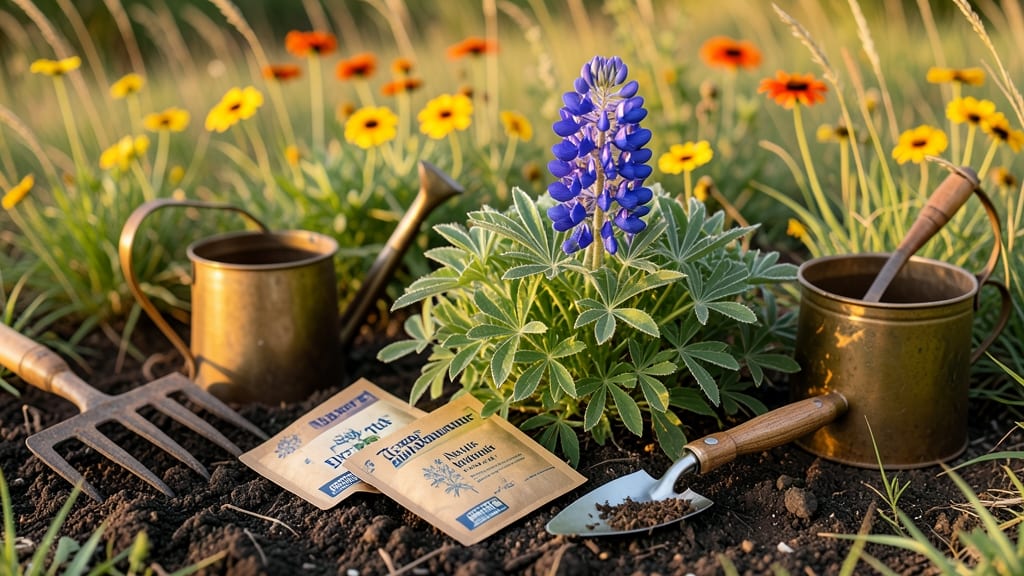
To plant gardens in Texas, timing varies by region: North Texas gardeners start cool-season crops like lettuce in September, while South Texas can plant warm-season veggies like tomatoes as early as February. Central Texas follows a March–April timeline for spring planting, with fall options in September–October for winter harvests. Always check your USDA Hardiness Zone for precise timing to avoid frost damage or heat stress.
Texas's diverse climate means your planting schedule should align with your specific zone—whether you're in the cooler Hill Country or the warmer Gulf Coast. 🌱 The key is understanding your last frost date (typically late February to early April) and adjusting for microclimates, like urban heat islands or protected valleys.
For instance, South Texas gardeners can often start tomatoes in February, while North Texas might wait until April to avoid unexpected freezes. I always recommend testing soil temperatures with a thermometer, as some plants like peppers need consistently warm soil (above 60°F) to thrive.
Beyond timing, Texas gardeners must also consider heat tolerance. While cool-season crops like spinach bolt quickly in summer, heat-lovers like okra and sweet potatoes thrive in the state's intense sun.
Pro tip: Use shade cloth for delicate greens during peak summer months, and always water deeply in the morning to prevent fungal issues. The USDA Zone map is your starting point, but local weather patterns—like the unpredictable rain shadows in West Texas—often dictate finer adjustments.
💡 In This Article
- Texas Planting Zones and Frost Dates by Region
- Best Crops to Plant in Texas by Season
Texas planting zones and frost dates by region
Texas spans USDA Zones 7b to 9a, creating dramatic differences in frost timing. The Hill Country (Zone 8a) typically sees its last frost around March 15, while the Gulf Coast (Zone 9a) rarely drops below 32°F.
This variance explains why South Texas gardeners can plant warm-season crops like tomatoes in February, while North Texas waits until April 15 to avoid 28°F freezes.
The 1000-foot elevation rule applies here: temperatures drop 3.5°F per 1000 feet gained, so Austin's higher elevations (500-1000 ft) may experience frost 1-2 weeks later than Houston.
Microclimates add another layer of complexity. Urban areas like Dallas experience urban heat islands, where pavement and buildings trap heat, delaying first frosts by 7-10 days compared to rural areas. Meanwhile, protected valleys in the Hill Country can have 5°F warmer nights than exposed slopes.
For precise timing, I recommend checking the National Weather Service's climate normals for your specific county—these provide 30-year averages of first/last frost dates that account for local topography.
Planting too early in Zone 8a risks killing tender seedlings with a 20°F dip, while waiting too long in Zone 9a means missing the optimal 60-85°F growing window for warm-season crops.
The science behind frost timing involves radiational cooling: clear nights with calm winds allow heat to escape rapidly, creating dangerous conditions. Texas's northern panhandle (Zone 7b) can see below-zero temperatures, while the Rio Grande Valley rarely drops below 35°F.
This explains why cool-season crops like broccoli thrive in fall planting (September-October) in North Texas but can be grown year-round in South Texas. For container gardens, move tender plants to sheltered locations when nighttime temperatures approach 50°F—this simple adjustment can save your basil or peppers from cold damage.
Advanced gardeners use soil thermometers to fine-tune planting. Most seeds need soil temperatures between 60-85°F to germinate properly—this is why warm-season crops like squash often fail in April plantings if nights remain chilly.
In Central Texas, I've seen gardeners cover rows with floating row covers to raise soil temperatures by 5-10°F during cool springs. The key metric is minimum soil temperature: if it stays above 55°F for 5 consecutive days, you're safe to plant heat-loving crops like okra or eggplant.
Don't overlook historical weather patterns. Texas's 100-year climate records show increasing variability—some years see late freezes in May while others have early frosts in October. The Texas A&M AgriLife Extension provides county-specific planting calendars that incorporate this variability.
For example, while the average last frost in San Antonio is March 1, the 10-year record shows dates ranging from February 15 to April 10.
This uncertainty is why I recommend staggered plantings: sow 25% of seeds at the recommended date, then plant the remaining 75% two weeks later to account for potential delays.
For container gardeners, elevation matters less than heat reflection. Dark containers absorb 20% more heat than light-colored ones, creating microclimates that can extend growing seasons by 2-3 weeks. Place containers on heat-absorbing surfaces like gravel or dark mulch to maintain 60°F+ soil temps during cool nights.
This technique lets South Texas gardeners grow tomatoes in January while North Texas gardeners can extend fall plantings into November.