
Container Gardens
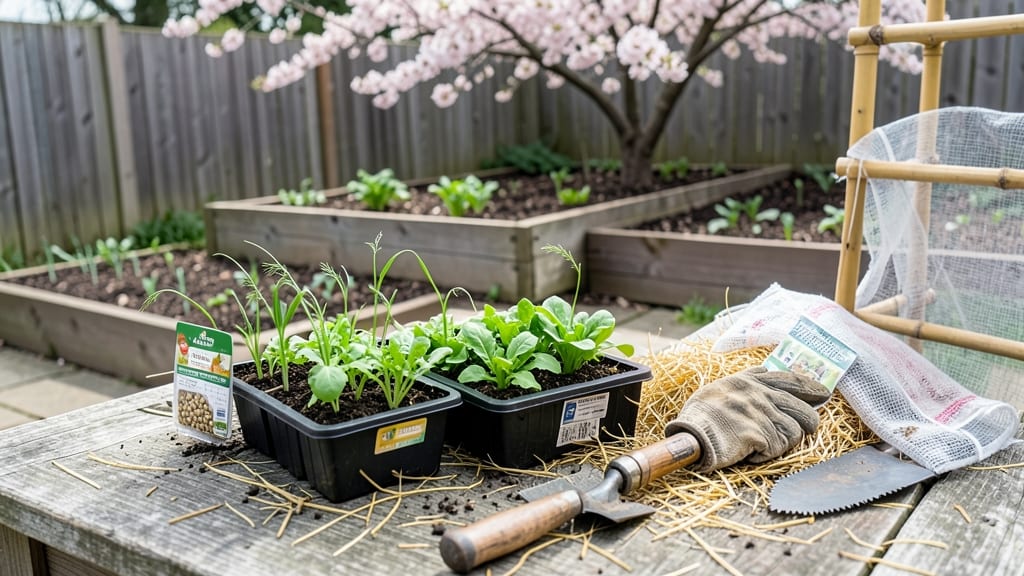
Planting gardens in Ohio at the right time means the difference between a thriving harvest and a frost-killed disappointment.
Ohio’s unpredictable spring weather can turn your gardening dreams into a gamble—unless you know the exact last-frost dates for your region. Plant too early, and frost will wipe out your tender seedlings; too late, and you’ll miss peak harvests.
Here’s your region-specific planting timeline to maximize yields and avoid costly mistakes.
Whether you’re growing tomatoes, peppers, or perennials, timing is everything. Ohio’s USDA Zone 6a climate means you’ll need to adjust based on whether you’re in the cooler north or warmer south.
The key? Waiting until after the average last frost date—usually around April 15—but also checking soil temperatures to ensure roots can thrive.
Inside, you’ll find a breakdown of frost-free windows by region, soil prep tips, and a seasonal planting schedule that keeps your garden productive from spring through fall. No more guessing—just smarter planting for a garden that delivers.
Ohio’s last-frost dates by region: critical planting windows for vegetables & flowers
Ohio’s five distinct climate zones create wildly different planting windows—what works in Southeast Ohio may fail in Northwest Ohio. Knowing your last-frost date isn’t just about avoiding frost damage; it’s about timing warm-season crops (like tomatoes) to thrive and cool-season crops (like spinach) to mature before summer heat.
These dates shift yearly, but historical averages give you a reliable starting point.
For example, Northeast Ohio gardeners typically wait until May 10 to plant tomatoes, while Southeast Ohio can start as early as April 15. The difference? A 3-week window that means the difference between a bountiful harvest and a wasted seed packet.
Let’s break down each region’s frost-free probabilities and how to adjust for Ohio’s famously unpredictable springs.
Pro Tip: Use the 30-day rule—wait at least 30 days after your region’s last frost before planting tender annuals like peppers or eggplants. This accounts for late frosts and gives your soil time to warm up.
| Region | Avg. Last Frost | Frost-Free Probability | Warm-Season Planting Window | Cool-Season Planting Window |
|---|---|---|---|---|
| Northeast Ohio | May 10 | 80% | May 15–June 1 | March 15–April 15 |
| Northwest Ohio | May 5 | 75% | May 20–June 5 | March 1–April 10 |
| Central Ohio | April 25 | 85% | May 1–May 15 | March 10–April 20 |
| Southeast Ohio | April 15 | 90% | April 20–May 5 | February 28–March 20 |
| Southwest Ohio | April 10 | 88% | April 15–April 30 | February 20–March 15 |
*Dates based on 30-year averages; adjust for early/late springs with row covers.
If you’re in Southeast Ohio, you might be tempted to plant tomatoes by April 15—but hold off! The soil needs to reach 60°F for optimal growth. Use a soil thermometer to confirm warmth before planting.
In Northwest Ohio, where frosts linger later, opt for cold-hardy varieties like ‘Early Girl’ tomatoes or ‘Sugar Snap’ peas, which tolerate cooler soils.
For flowers, timing matters just as much. Annuals like marigolds can handle light frosts, but tender perennials like salvia need to wait until after your region’s last frost.
In Central Ohio, I’ve found that planting petunias in late April (after the average frost date) gives them enough time to establish before summer heat sets in.
Ohio’s frost dates aren’t set in stone—last year’s May frost in Northeast Ohio wiped out my pepper seedlings, despite my best efforts. To hedge your bets, use row covers or cold frames to extend your planting window by 2–3 weeks.
For example, in Southwest Ohio, I’ve successfully planted cucumbers as early as April 1 with a simple floating row cover.
Don’t forget about fall planting! Many Ohio gardeners overlook the fact that cool-season crops like kale and radishes thrive in autumn. In Southeast Ohio, you can plant these as late as September 15, while Northwest Ohio gardeners should aim for August 20 to avoid early frosts.
Use these dates as a guideline, but always monitor your local National Weather Service forecasts for real-time updates.
One of my biggest mistakes was planting basil too early in Central Ohio—it bolted before producing leaves. Now, I wait until May 15 and use black plastic mulch to warm the soil faster.
For herbs like dill, which self-seeds easily, I start them indoors in March and transplant after the last frost, ensuring a head start on the season.
For perennials, timing is less critical, but early spring is ideal for dividing hostas or daylilies. In <
How to use frost dates to plan your Ohio garden calendar
Ohio’s frost dates are your gardening compass—ignoring them means risking frozen seedlings or missed harvests. The average last frost ranges from mid-April in Southern Ohio to early May in Northern regions, but these dates shift yearly.
My rule? Wait 30 days after the last frost before planting warm-season crops like tomatoes or peppers. This buffer accounts for late frosts and gives soil time to warm.
For cool-season crops like spinach or peas, you can plant 4–6 weeks before the last frost. These hardy plants tolerate light frosts and even thrive in cooler soil. Meanwhile, transplants (e.g., basil, marigolds) need warmer soil—aim for 50°F+—before going into the ground.
Use a soil thermometer to check; if it’s cooler, delay planting or use row covers for protection.
- 🌱 Step 1: Know Your Zone
Ohio has 5 frost zones—check your last-frost date (e.g., April 15 in Columbus vs. May 1 in Cleveland). Use the Old Farmer’s Almanac or local extension office data. - 🌡️ Step 2: Soil Temp Matters
Warm-season crops need 50–60°F soil; cool-season crops tolerate 40°F+. Test with a soil thermometer—planting too early in cold soil stunts growth. - ⏰ Step 3: Apply the 30-Day Rule
Add 30 days to your last-frost date for warm crops. Example: If frost ends April 15, plant tomatoes May 15 to avoid late frosts. - 🌿 Step 4: Succession Planting
For continuous harvests, sow fast-growing crops (e.g., lettuce, radishes) every 2 weeks after the last frost. Use row covers to extend early/late seasons. - 🛡️ Step 5: Protect Tender Plants
Use floating row covers or cold frames to shield seedlings from unexpected frosts. Remove covers when plants are established (usually after 2–3 weeks).
Extend your growing season with cold frames or hoop houses, which can add 4–6 weeks of warmth. I’ve used them to grow spinach in October and kale in March—just remove the cover during the day to prevent overheating.
For fall planting, aim to sow warm-season crops 90–120 days before the first frost (typically late July–early August).
Pro tip: Monitor lilac blooms—they’re Ohio’s natural frost calendar. If lilacs bloom late, delay planting warm crops by 1–2 weeks. Also, check the National Weather Service for 10-day forecasts before committing to outdoor planting. Overconfidence in early springs leads to frost damage—better safe than sorry!
Finally, keep a gardening journal to track your frost dates and planting successes. After 3 years, you’ll spot patterns (e.g., “My yard frosts later than the average”). Adjust your calendar yearly based on your data—because Ohio’s weather is as unpredictable as a toddler’s mood. 🌱