
Plants
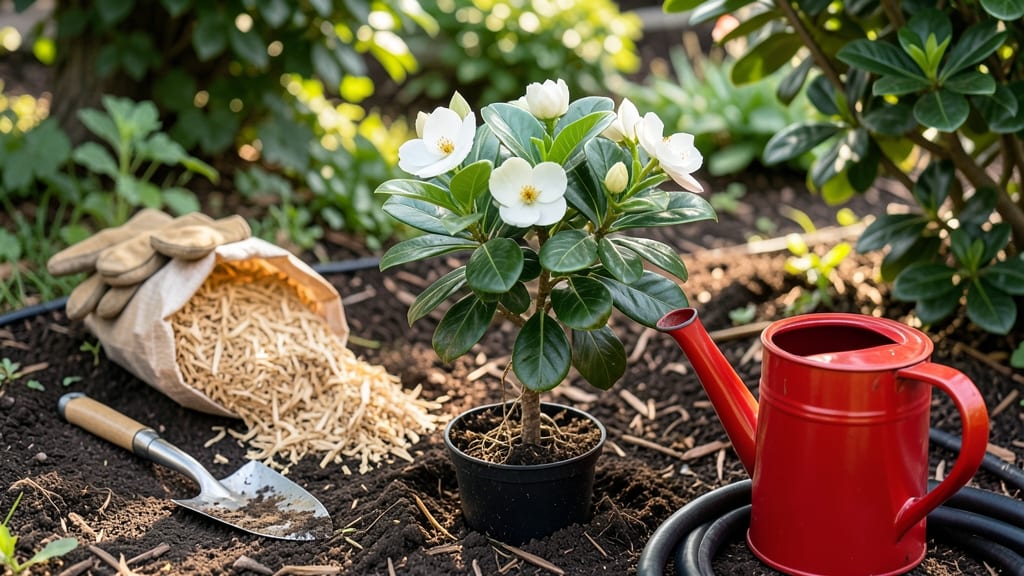
To plant gardenias in North Carolina after the last frost date — typically late March to early April — sets the stage for thriving blooms 🌸.
Gardenias are the fragrant crown jewels of Southern gardens, but planting them at the wrong time can turn your dreams of intoxicating blooms into wilted disappointment. One misstep could leave your gardenia struggling through late frosts or wilting under summer heat.
North Carolina’s varied climate means timing matters more than ever. Whether you’re in the coastal warmth of the Outer Banks or the cooler Piedmont, knowing your last frost date and soil temperature is the key to success.
In this guide, I’ll walk you through the exact planting window for your zone, how to prepare the soil, and what to watch for after you plant to ensure your gardenia thrives all season long.
NC gardenia planting timeline: avoiding frost & heat stress
North Carolina's diverse microclimates mean your gardenia's planting window varies by region—from Coastal Plains to Mountain foothills. Timing isn't just about avoiding frost; it's about giving roots time to establish before summer's brutal heat. Let's break down the frost-free planting windows tailored to NC's USDA zones 7b-8a.
First, check your last frost date—typically mid-March for Coastal areas and late April in the Mountains. Gardenias thrive when soil temperatures reach 60°F (15°C), so test with a soil thermometer or wait until mid-April for most of NC. Container gardeners have a 2-week advantage since pots warm faster.
Here’s your region-specific planting timeline to avoid frost damage and heat stress:
| Region | USDA Zone | Last Frost | Ideal Planting Window | Soil Temp Goal | Container Adjustment |
|---|---|---|---|---|---|
| Coastal Plains | 8a | Mid-March | Late February - Early April | 60°F (15°C) | Plant 2 weeks earlier |
| Piedmont | 7b | Late March | Mid-April - Early May | 60°F (15°C) | Plant 1 week earlier |
| Mountains | 7a | Late April | May - Early June | 65°F (18°C) | Use black pots for warmth |
For in-ground planting, aim for late March to April in most of NC. Dig a hole twice as wide as the root ball and mix in peat moss to lower soil pH to 5.0-6.0.
Water deeply immediately after planting to reduce transplant shock. Mulch with pine straw to retain moisture and protect roots.
Container gardeners can start 2-4 weeks earlier since pots absorb heat faster. Use black pots to accelerate soil warming or place containers on heat-absorbing bricks. If nighttime temps dip below 40°F (4°C), cover plants with frost blankets for 1-2 weeks post-planting to safeguard tender roots.
Watch for false springs—those sudden warm spells in February or March that fool you into planting too early. Gardenias are frost-sensitive; even a light freeze can damage new growth.
Use the 50°F (10°C) nighttime rule: Wait until nighttime temps consistently stay above this threshold for at least 5 nights in a row.
After planting, focus on consistent moisture for the first 6 weeks. Gardenias hate soggy soil but also wilting. Water at the base of the plant in the morning to prevent fungal diseases. Avoid overhead watering, which can stain glossy leaves and attract pests like aphids.
In summer heat, gardenias may go dormant to conserve water. Reduce watering slightly but keep soil evenly moist. Prune spent blooms to encourage new flowers and provide afternoon shade if your gardenia shows signs of leaf scorch (brown edges).
Pro tip: Mark your calendar for June 1 as the last safe date to plant gardenias in most of NC. After this, the humidity and heat can stress young plants. If you miss the window, opt for container planting to control soil temperature and moisture.
🌸
Signs your NC gardenia planting time is perfect (or too early)
North Carolina's variable spring weather makes timing your gardenia planting tricky. One day it's 70°F and sunny, the next it drops to 35°F at night. Leaf color is your first clue—healthy gardenia leaves should be deep green and glossy, not yellowing or wilted.
If you're seeing new growth on your plant, it's ready for transplanting.
Beyond the leaves, check the soil temperature. Gardenias thrive when soil reaches 60°F or warmer. Use a soil thermometer to test—if it's consistently below 60°F, wait a week or two. In urban heat islands, soil warms faster than rural areas, so check your specific spot.
Weather patterns matter too. Monitor your local 10-day forecast for nighttime temperatures. If lows dip below 40°F, your gardenia could suffer frost damage. Even if daytime temps are warm, cold nights can sneak in. Coastal NC areas often warm up faster than inland regions, so adjust timing accordingly.
🌱
Sudden warm spells can trick you into planting too early. A 50°F night after a warm day can still kill tender gardenia roots. Check your USDA zone—NC ranges from 7b to 8a, but microclimates vary. Mountain regions stay colder longer, while Piedmont areas warm up faster.
Pro Tip: Wait until 3 consecutive days above 60°F with no frost risk. Use frost-free date calculators for your exact location—most NC areas hit March 15-April 15 as the safe window.
Don't overlook root development in container-grown gardenias. If roots are circling the pot or growing through drainage holes, it's time to transplant. Root-bound plants establish faster in warm soil. For in-ground planting, dig a hole twice as wide as the root ball to encourage spread.
Finally, observe your gardenia's growth rate. If it's putting out new leaves or buds, it's ready. Slow growth means it's still adjusting to warmer conditions. Urban gardens often heat up faster—test soil temps in multiple spots if you're unsure.
Once you spot these signs, act quickly. Gardenias planted at the perfect time will reward you with luxuriant blooms by summer. Miss the window, and you risk transplant shock or stunted growth—neither smells as sweet as a thriving gardenia.
☀️