
Planting
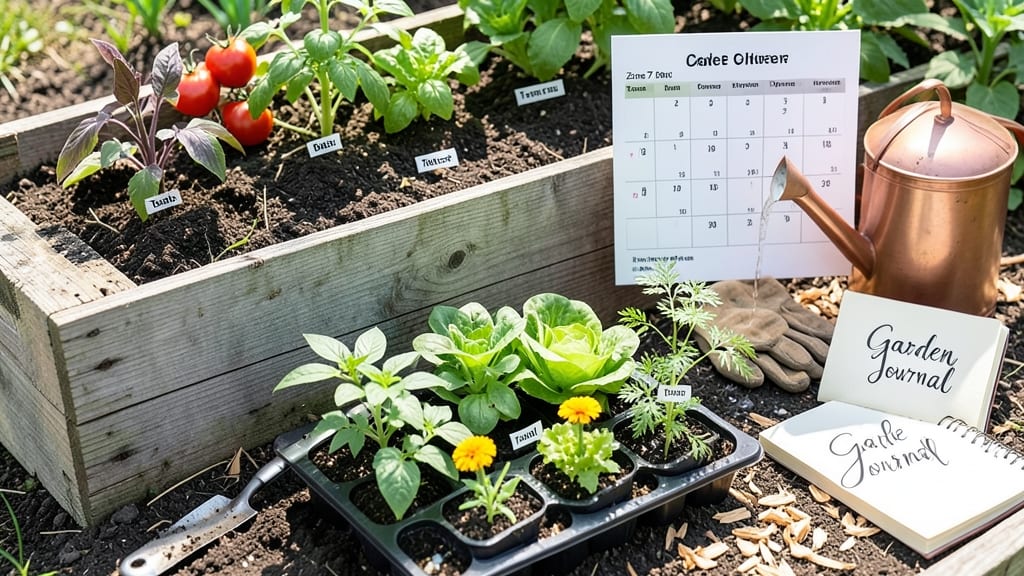
To plant a garden in Zone 7, timing is everything—get it wrong, and you risk stunted growth or even total crop loss.
Picture this: you’ve prepped your soil, ordered your seeds, and are ready to dive in—only to watch a late frost nip your seedlings before they even get started. That’s why knowing the last frost dates and ideal planting windows is the key to a thriving garden 🌱.
Zone 7’s climate can be tricky, with warm springs and unpredictable weather patterns. Whether you’re planting cool-season crops like lettuce or warm-season favorites like tomatoes, getting the timing right means the difference between a harvest and a disappointment.
In this guide, I’ll walk you through the best months to plant by crop type, how to adjust for local microclimates, and simple tricks to extend your growing season—so you can enjoy fresh produce from spring through fall.
Zone 7 last frost dates: critical timelines for planting success
Understanding Zone 7 last frost dates is the foundation of a successful garden.
In this zone, which spans from the southern Appalachians to the Midwest, average last spring frost typically occurs between March 15 and April 15, while the first fall frost usually arrives between October 15 and November 15.
These dates create your planting windows for both cool-season crops and warm-season vegetables, ensuring you avoid frost damage while maximizing growth potential.
However, these dates aren't set in stone—local microclimates can shift your planting schedule by weeks. Coastal areas tend to have milder winters, while inland regions experience more extreme temperature swings.
Always check local weather records or use tools like the National Oceanic and Atmospheric Administration (NOAA) frost calculator to pinpoint your exact dates. This small adjustment can save your tomatoes, peppers, and other tender plants from unexpected frost.
For cool-season crops like spinach, kale, and broccoli, you can start planting as early as February to March, even before the last frost. These hardy plants thrive in cooler temperatures and can often tolerate light frosts.
Meanwhile, warm-season crops like beans, squash, and corn should wait until after your last frost date, when soil temperatures consistently stay above 60°F.
Here’s a quick reference for your Zone 7 planting timeline:
Fall planting in Zone 7 is just as critical as spring. Many cool-season crops can be sown as late as September, giving you a second harvest before winter sets in. For example, radishes and turnips mature quickly, making them perfect for late-season planting.
Meanwhile, perennials like asparagus and rhubarb benefit from being planted in fall, allowing their roots to establish before dormancy.
Don’t forget about soil temperature, which is just as important as air temperature. Use a soil thermometer to check that your soil is warm enough for warm-season crops. For instance, tomatoes and peppers need soil temperatures above 60°F to germinate properly.
If your soil is still cool, consider using black plastic mulch or a cold frame to warm it up faster.
If you’re unsure about your exact last frost date, use the USDA Plant Hardiness Zone Map alongside local weather data. Many garden centers and extension offices provide frost-free date calculators tailored to your region.
For example, Atlanta, GA typically sees its last frost around March 25, while Chicago, IL might experience frost until April 15. These differences highlight why local adjustments are essential.
Pro tip: Keep a gardening journal to track your own frost dates over the years. Weather patterns shift, and your notes can help you fine-tune your planting schedule for future seasons.
For instance, if you notice late frosts in early May one year, you might delay planting tender annuals like petunias until after Memorial Day.
Finally, remember that fall frost dates are equally important. In Zone 7, the first frost usually arrives in October or November, signaling the end of the growing season for many crops.
Use row covers or cold frames to extend the season for leafy greens and root vegetables, giving you fresh harvests well into autumn.
Best planting months in Zone 7 by vegetable type
Zone 7 gardeners have a unique advantage with its moderate climate—longer growing seasons than northern zones but milder winters than southern areas. The key is matching plant types to their ideal planting windows, whether they thrive in cool spring soil or need summer heat to flourish.
I’ve organized this by seed-starting indoors, direct sowing outdoors, and transplanting to help you maximize your harvest potential.
For cool-season crops like kale, spinach, and peas, timing is all about early spring (February-March) and fall (August-September). These cold-hardy plants can handle light frosts and even snow cover in some cases.
On the other hand, warm-season lovers such as tomatoes, peppers, and basil need to wait until after your last frost date—typically mid-April to early May—and soil temperatures above 60°F.
- 🌱 Early Spring (Feb-Mar): Start cool-season seeds indoors (kale, broccoli, onions). Direct sow peas, spinach, lettuce outdoors.
- ☀️ Late Spring (Apr-May): Transplant tomatoes, peppers, eggplants after last frost. Direct sow beans, cucumbers, squash when soil warms.
- 🌿 Summer (Jun-Jul): Sow fall crops like carrots, radishes. Succession plant basil, dill, cilantro every 2-3 weeks.
- 🍂 Fall (Aug-Sep): Plant cold-hardy greens (kale, arugula) and garlic for next year’s harvest.
- ❄️ Winter (Oct-Nov): Cover hardy perennials (asparagus, rhubarb) with mulch. No new planting—focus on soil prep.
My top tip for Zone 7 gardeners? Use row covers to extend early spring planting by 2-3 weeks. Thin plastic or fabric can protect tender seedlings from late frosts while letting sunlight through.
For example, I’ve successfully grown broccoli in March by covering it until mid-April—resulting in an earlier harvest than my neighbors!
Don’t forget about herbs! Many thrive in Zone 7’s climate. Start basil and cilantro indoors in March for transplanting after last frost, while parsley and chives can handle cooler temps and often do well when sown directly in early spring or fall.
For flowers, annuals like marigolds and zinnias love the heat of summer, so direct sow them in May-June.
If you’re new to Zone 7 gardening, soil temperature is your best friend. Use a soil thermometer to confirm when to plant warm-season crops—they won’t germinate well in cold soil.
For instance, tomato seeds need soil at least 65°F, while peppers prefer 70°F+. Patience pays off here—rushing can lead to poor germination or stunted plants.
Plan ahead for a continuous harvest by staggering plantings. For example, sow lettuce every 2 weeks from March to September to enjoy fresh leaves all season. And remember: fall planting is just as important as spring!
Many root vegetables like carrots and beets grow sweeter when harvested after a light frost. With this schedule, your Zone 7 garden can be productive year-round!