
Planting
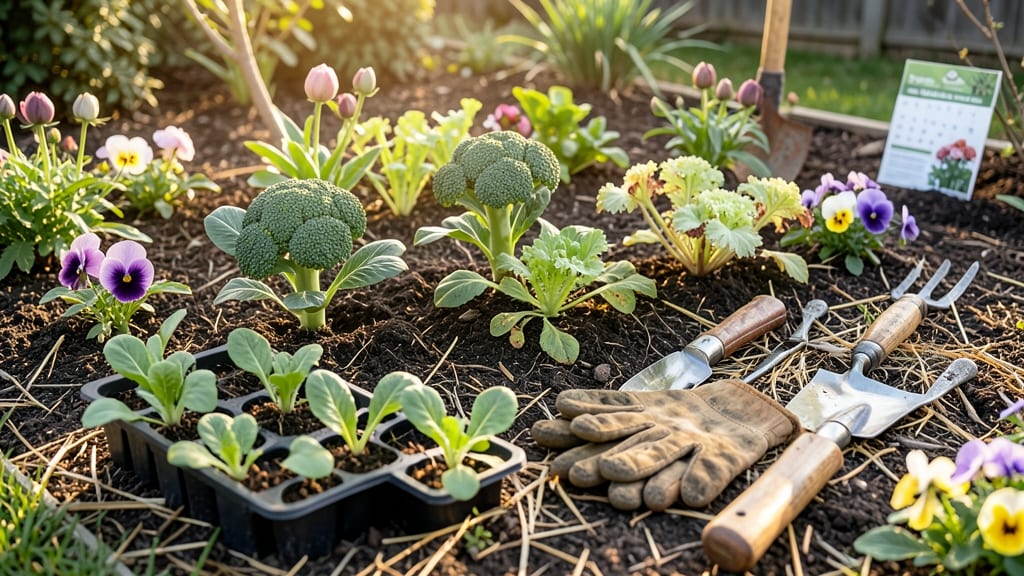
Planting a garden in West Virginia depends on timing your crops to the last spring frost and first fall frost — and those dates shift dramatically from the mountains to the Ohio River Valley.
West Virginia’s diverse climate—from the Appalachian Mountains to the Ohio River Valley—means your planting timeline depends on elevation, microclimates, and heat zones. Get the exact frost-date schedule to maximize your garden’s potential before summer’s heat sets in.
Cool-season crops like spinach and kale can go in the ground as early as March in southern zones, while warm-season favorites like tomatoes and peppers need to wait until after May 15 in most areas.
Missing the window by even a week can mean stunted growth or total loss.
In this guide, I’ll break down the exact planting windows by heat zone, share a month-by-month calendar for common crops, and reveal pro tips to stretch your growing season—whether you’re in Zone 5b or 7a.
West Virginia frost dates by heat zone: exact planting windows
West Virginia spans USDA heat zones 5b through 7a, creating dramatic differences in frost dates between the mountainous highlands and river valley lowlands.
In zone 5b (higher elevations), gardeners face a shorter growing season with later springs and earlier falls, while zone 7a (southern regions) enjoys 40-50 extra frost-free days annually. These variations mean your planting windows can shift by 3-4 weeks depending on location.
Understanding your last spring frost and first fall frost is critical. In northern WV (zone 5b), the average last frost arrives April 15-30, while southern areas (zone 7a) can plant warm-season crops as early as March 20-April 1.
Similarly, fall frosts hit northern gardens by October 15-25, but southern gardeners may extend harvests until November 10-20.
For cool-season crops like kale, spinach, and peas, I recommend planting 4-6 weeks before your last frost—typically mid-March to early April in most zones.
Warm-season plants such as tomatoes, peppers, and cucumbers need soil temperatures above 60°F, which usually occurs 2-3 weeks after your last frost—around mid-April to early May depending on elevation.
If you're in zone 5b, I suggest starting cool-season crops indoors by early February to give them a head start.
For zone 7a gardeners, you can plant warm-season crops like tomatoes as early as late March if you use row covers to protect young plants from unexpected late frosts. The key is monitoring soil temperatures—most seeds won't germinate below 50°F, while warm-season plants need 60°F+ soil.
For succession planting, I recommend sowing lettuce, radishes, and carrots every 2-3 weeks from spring through early summer. This ensures a continuous harvest before fall frosts arrive.
In zone 6b and warmer, you can even try a late summer planting of spinach or kale for fall harvests—just sow seeds by August 15 to mature before frost.
Microclimates play a huge role in WV gardening. South-facing slopes warm up faster in spring, while valleys often experience later frosts. If you're near a large body of water, expect 2-3 warmer weeks in spring and 1-2 cooler weeks in fall compared to inland areas.
Always check local weather forecasts and consider installing a home weather station for precise data.
One common mistake I see is planting tomatoes and peppers too early. These heat-loving plants will stunt or die if exposed to temperatures below 50°F. Instead, wait until soil temperatures consistently reach 60°F, which in zone 6
Best vegetables to plant by month in West Virginia’s climate
West Virginia’s short growing season demands strategic planning to maximize yields. Cool-season crops like kale and spinach thrive in early spring and fall, while tomatoes and peppers need summer’s warmth. Understanding these timing nuances ensures your garden flourishes despite the Appalachian climate challenges.
Start with early spring plantings (March-April) for frost-hardy greens, then transition to warm-season favorites once soil warms. Fall offers another prime window for cool-season crops like broccoli and carrots. Succession planting keeps your harvests continuous throughout the season.
- March-April: Peas, spinach, lettuce (direct sow after last frost risk).
- May: Tomatoes, peppers, beans (wait until soil reaches 60°F).
- June-July: Sweet corn, cucumbers, squash (plant in blocks for pollination).
- August: Kale, radishes, turnips (succession plant every 2 weeks).
- September-October: Garlic, onions, cabbage (plant 6-8 weeks before first frost).
For mountain regions, delay warm-season crops by 2-3 weeks due to cooler microclimates. Use row covers to extend early spring plantings by 3-4 weeks. In valley areas, prioritize shade-tolerant varieties like bush beans to combat summer heat stress.
Succession planting is key—sow baby leaf lettuce every 10 days from April through September. This ensures continuous harvests while avoiding bolting. For tomatoes, stagger plantings every 2 weeks to spread out the harvest window from July through October.
Don’t overlook fall plantings! Brussels sprouts and kale sweeten after frost, making them ideal for late-season gardens. Plant by September 1st in most of WV to ensure maturity before winter. Use mulch to protect roots from early frosts.
Remember: Soil temperature matters more than calendar dates. Use a soil thermometer—40°F for peas, 60°F+ for tomatoes. Adjust your planting schedule based on these readings rather than fixed dates to account for WV’s variable climate.