
Planting
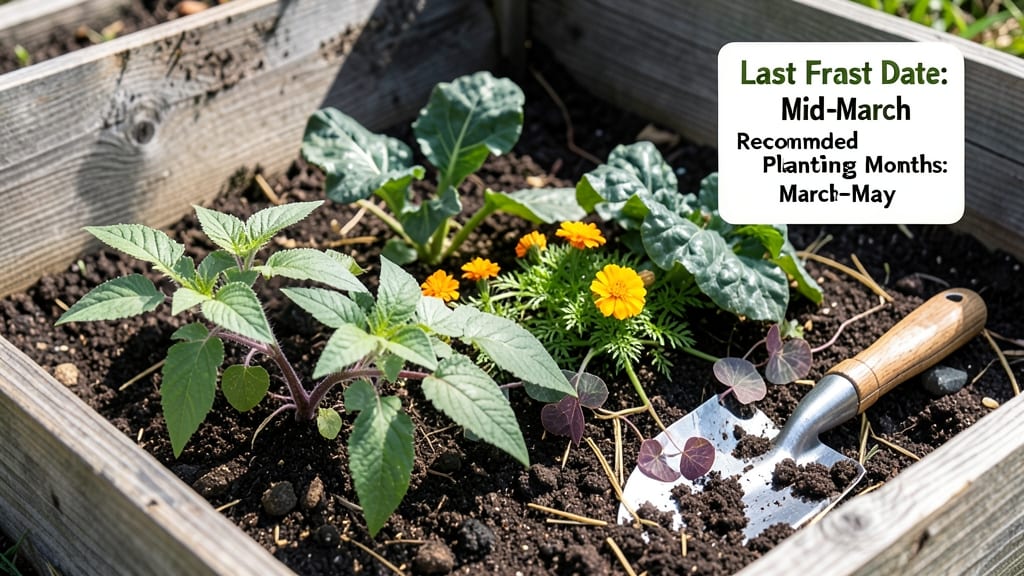
Planting your garden in Alabama at the right time ensures lush growth and bountiful harvests—miss the window, and you risk stunted plants or wasted effort.
Alabama’s warm climate and varied growing zones mean your garden’s success hinges on timing—plant too early or late, and you risk stunted growth, pests, or wasted seeds.
In zones 7a-8b, the ideal window for spring planting is after your last frost (typically mid-March to early April), but cool-season crops like broccoli or spinach need to go in late summer for fall harvests.
Below, I break down the best months for every crop, how to adjust for your specific zone, and pro tips to extend your growing season—so you can enjoy fresh produce year-round.
Alabama planting zones & best months by season (zone 7B-8A guide)
Alabama’s USDA Plant Hardiness Zones 7B and 8A create a unique growing environment where warm winters and long summers dominate. In Zone 7B, last frosts typically arrive around March 15, while Zone 8A sees them as early as February 28.
First frosts in Zone 7B hit November 15, while Zone 8A holds off until December 1. These variations mean your planting schedule should shift slightly depending on whether you're in North Alabama (7B) or Central/South Alabama (8A).
Understanding these zones helps you avoid common mistakes like planting warm-season crops too early (risking frost damage) or cool-season crops too late (leading to bolting). Alabama’s humidity also demands careful watering schedules and soil preparation to prevent fungal diseases.
Let’s break down the best months for each season and how to adapt for your specific microclimate.
🌱 Key Takeaway: Zone 7B gardeners have a shorter growing window than Zone 8A, but both zones benefit from succession planting and season extension techniques.
For Zone 7B gardeners, focus on planting warm-season crops like tomatoes and peppers after your last frost date (typically mid-April).
In Zone 8A, you can start these crops as early as late March, giving you a head start. Cool-season crops like broccoli and spinach thrive when planted 4-6 weeks before your first frost, which means late August for Zone 7B and late July for Zone 8A.
Microclimates play a huge role in Alabama. If you're in a low-lying area, expect earlier frosts and higher humidity, while upland or coastal regions stay warmer longer.
For example, Mobile (Zone 8A) can grow tropical plants like okra year-round, while Huntsville (Zone 7B) may need to protect tender plants with row covers in fall. Always check your local frost dates and adjust planting times accordingly.
Another critical factor is soil temperature. Warm-season crops like cucumbers and beans need soil temps above 60°F to germinate. In Alabama, this usually aligns with April for Zone 8A and May for Zone 7B.
Use a soil thermometer to confirm readiness—planting too early can lead to poor germination or
Top 10 crops to plant in Alabama by season (with exact dates)
Alabama’s long growing season lets you enjoy fresh produce nearly year-round, but timing is everything. Warm-season crops like tomatoes and peppers need soil temperatures above 60°F, while cool-season greens thrive in milder fall temperatures.
Missing these windows means slower growth or pest problems—so let’s get specific about what to plant and when.
For North Alabama (Zone 7B), last frost dates average March 15, while South Alabama (Zone 8A) sees frost-free soil by February 15. I’ll focus on 10 high-yield crops that thrive in both zones, with exact planting dates tailored to your region.
Pro tip: Companion planting can boost yields—pair tomatoes with basil or plant carrots near onions to deter pests.
- 1 Tomatoes – April 15–May 1 (direct sow after frost). Use cage supports and mulch to retain moisture. Companion: basil, marigolds.
- 2 Peppers – March 1–April 15 (start indoors 8–10 weeks before last frost). Needs well-draining soil and full sun. Companion: tomatoes, onions.
- 3 Broccoli – September 1–October 15 (cool-season crop). Plant in partial shade to avoid bolting. Companion: celery, onions.
- 4 Sweet Corn – April 1–May 15 (plant in blocks, not rows). Needs fertile soil and 1 inch water/week. Companion: beans, cucumbers.
- 5 Green Beans – April 15–May 10 (bush or pole varieties). Fixes nitrogen in soil—great for succession planting. Companion: corn, potatoes.
- 6 Cucumbers – May 1–June 1 (trellis for space-saving). Mulch to prevent soil-borne diseases. Companion: radishes, dill.
- 7 Lettuce – September 15–October 30 (shade cloth in summer). Harvest outer leaves for continuous yield. Companion: carrots, strawberries.
- 8 Carrots – February 1–March 15 (loose, rocky-free soil). Thin seedlings to 3 inches apart. Companion: rosemary, leeks.
- ★★★★★4.5(5 reviews)