
Planting
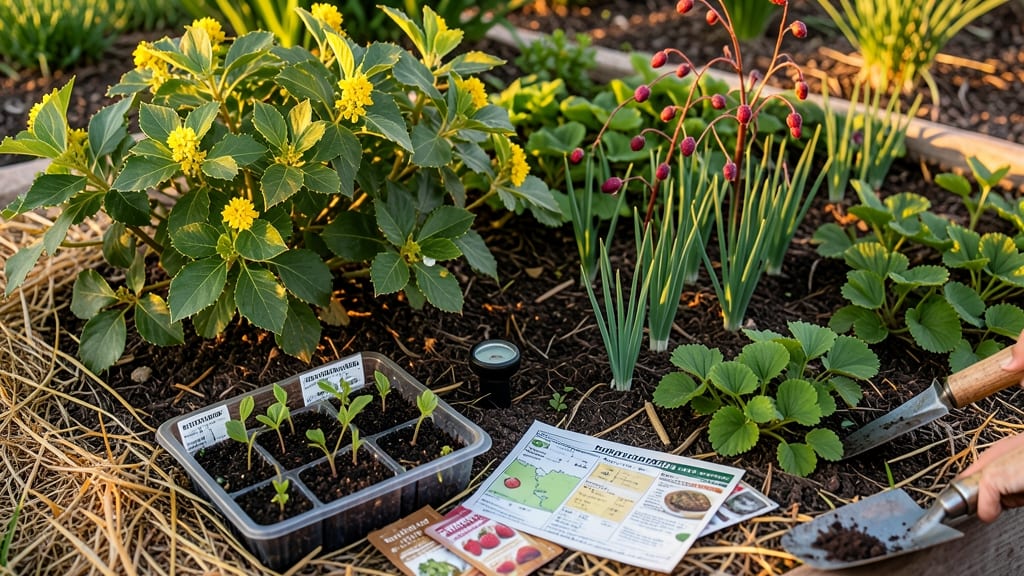
Planting your garden in Oregon at the right time means the difference between a bountiful harvest and a wasted season—especially when coastal fog clashes with inland heat.
Oregon’s diverse climate—from coastal fog to high desert summers—means your garden’s success hinges on planting at the perfect time. Get the wrong timing, and your tomatoes might bolt or your lettuce turn bitter. But master these zone-specific windows, and you’ll harvest like a pro.
Whether you’re in the Willamette Valley’s mild zones or the high desert’s shorter season, knowing when to start seeds indoors or transplant outside is the key. I’ll break down the exact weeks to plant by region, so you can avoid late frosts and maximize your 🌱 garden’s potential.
From cool-season crops like kale to heat-loving peppers, you’ll learn the month-by-month schedule that works for Oregon—plus pro tips to stretch your growing season when the weather gets tricky.
Oregon planting zones: when to start seeds and transplant by region
Oregon’s USDA zones 6-9 create a gardening puzzle—coastal areas stay cool year-round, while the high desert bakes in summer. Even within the Willamette Valley, microclimates shift planting windows by weeks.
Understanding these zones helps you avoid late frosts that can kill tender seedlings or heat stress that makes warm-season crops bolt.
Your first step? Check your last average frost date. In Zone 6 (eastern Oregon), it’s typically May 15, while Zone 9 (Medford) sees frost as late as November 15.
Soil temperature matters just as much—most warm-season crops need 60°F+ soil to thrive, while cool-season greens tolerate 40°F+.
Here’s your zone-by-zone breakdown for starting seeds indoors vs. transplanting outdoors, plus ideal soil temps for Oregon’s three main regions: coastal, Willamette Valley, and high desert. Use this as your planting calendar cheat sheet!
In the coastal zone, where fog delays warming, start tomato and pepper seeds indoors by March 1 to give them time to mature before your May 15 frost date.
The Willamette Valley offers a slightly longer window—transplant cucumbers and squash by May 10 when soil hits 60°F. Meanwhile, high desert gardeners must wait until June 1 to avoid heat stress on young plants.
Pro tip: Use a soil thermometer to confirm readiness. Peat pots help protect seedlings during transplanting, and row covers can push your first frost date back by 2–3 weeks in cooler zones.
For warm-season crops like basil, wait until nighttime temps stay above 55°F—usually late May to early June in most of Oregon.
Don’t forget perennials and bulbs! Plant asparagus crowns in early spring (March) when soil is workable, and tulip bulbs in fall (October–November) for Zone 6–7. In Zone 9 (Medford), you can even plant warm-season crops like okra in late summer (August) for a fall harvest.
Microcl
Best month-by-month planting calendar for Oregon gardens
Oregon’s cool coastal breezes and hot inland summers create a gardening Goldilocks challenge—too early, and frost zaps your seedlings; too late, and heat stresses tender plants. The key? Align your planting with Oregon’s microclimates, whether you’re in foggy Astoria (Zone 8) or sunbaked Bend (Zone 6).
This calendar breaks down month-by-month actions for your garden’s stars: cool-season workhorses like kale and peas, heat-loving peppers, and perennial powerhouses such as strawberries.
Start by noting your last frost date—typically April 15 in western Oregon and May 1 in eastern regions. Use this as your anchor: cool crops go in 4-6 weeks before, while warm crops wait until 2 weeks after.
For perennials like asparagus crowns, plant in early spring when soil reaches 50°F. Let’s dive into the monthly rhythm that’ll keep your garden thriving.
March
Start cool-season seeds indoors (lettuce, spinach) and plant onion sets outdoors. Harden off pepper and tomato seedlings for April transplanting.
April
Transplant cool crops (kale, peas, carrots) 4 weeks before last frost. Set out strawberry plants and asparagus crowns. Direct-sow radishes every 2 weeks.
May
Plant warm-season crops (peppers, cucumbers, beans) 2 weeks after last frost. Succession-sow bush beans every 2 weeks until July. Mulch strawberries to retain moisture.
June
Direct-sow fall crops (kale, spinach) for late harvests. Thin carrots and beets. Watch for tomato hornworms—handpick daily!
July-August
Plant heat-tolerant varieties (Malabar spinach, okra) in Zone 7+. Succession-sow bush beans until August 1. Harvest peppers regularly to encourage production.
September
Direct-sow cool-season crops (broccoli, cabbage) for fall harvests. Plant garlic cloves for next year. Cover strawberries with row fabric if frost threatens.
For high-desert gardens (like Bend or La Pine), push warm-season planting 2 weeks later—soil warms slower there. In coastal areas, extend cool-season crops with row covers until June 1.
My strawberry patch in Eugene thrives when planted in March with a thick straw mulch—it keeps roots cool and moist through summer’s dry spells.
Don’t forget succession planting: Sow bush beans every 2 weeks from May to July for continuous harvests. And if you’re new to Oregon gardening, start small—container-grown tomatoes or window-box herbs let you test your timing without overcommitting.
With this calendar as your guide, you’ll avoid common pitfalls like bolting lettuce or