
Planting
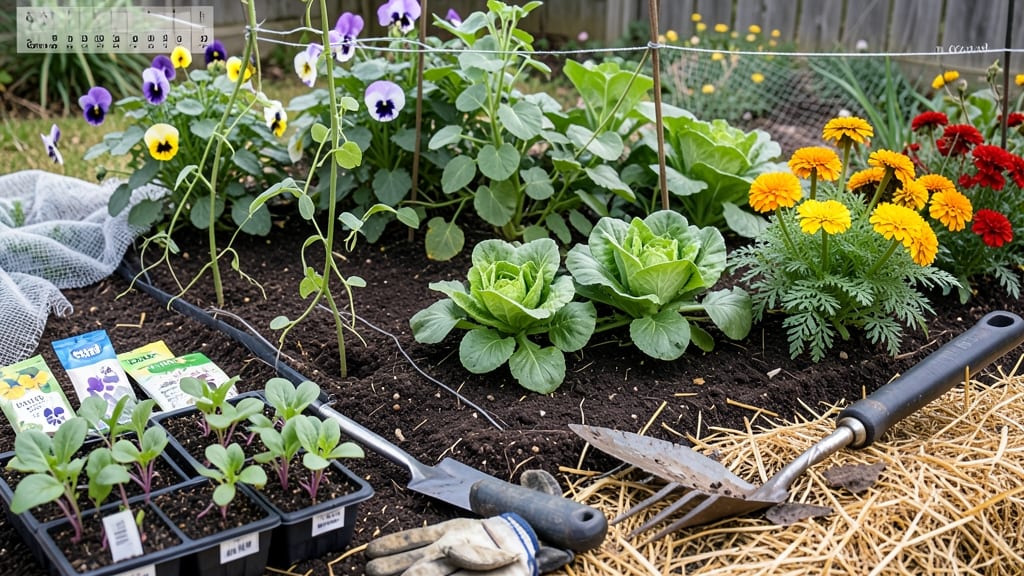
Planting your garden in CT starts about two weeks after your average last frost date — typically mid-April for inland areas but earlier in coastal zones.
Connecticut’s unpredictable spring weather can leave gardeners second-guessing the best time to plant—miss the window, and your seeds may rot or freeze. But with the right frost-date guide tailored to CT’s unique microclimates and plant types, you can maximize your harvest and avoid costly mistakes.
Cool-season crops like spinach and kale thrive when planted in early spring or late summer, while warm-season favorites such as tomatoes and peppers need the soil to warm up first. Knowing these timelines ensures your garden gets off to a strong start.
Below, I break down the exact planting schedule for CT’s most popular vegetables, including when to start seeds indoors, how to adjust for late frosts, and which crops can handle a little extra chill. Ready to dig in?
Connecticut’s frost dates by Zone: when to plant cool vs warm-season crops
Connecticut’s USDA Zones 5-6 mean gardeners face a short growing season—just 120-150 frost-free days in most areas. Understanding your last spring frost and first fall frost is critical to timing plantings correctly.
Urban areas like Hartford often warm up 1-2 weeks earlier than rural zones, while coastal regions near New London may experience delayed spring frosts due to lake breezes.
For cool-season crops like spinach, kale, and peas, you’ll want to plant as soon as soil is workable—typically late March to early April in Zone 6 and mid-April in Zone 5. These hardy plants thrive in 50-65°F soil and can even tolerate light frosts.
Meanwhile, warm-season crops like tomatoes, peppers, and cucumbers need to wait until after the last frost date, usually mid-May to early June, when soil temps reach 60°F+.
Here’s how to use this guide: First, identify your microclimate (urban, rural, or coastal). Then, match your plant type to the frost-date windows below. For example, if you’re in Zone 5 and growing basil, wait until May 20—planting earlier risks frost damage.
Always check a 7-day forecast before sowing seeds outdoors.
| Zone & Location | Last Spring Frost | First Fall Frost | Cool-Season Planting Window | Warm-Season Planting Window |
|---|---|---|---|---|
| Zone 5 (Rural) | May 10 | October 1 | March 20 - April 15 | May 20 - June 5 |
| Zone 5 (Urban) | May 5 | September 25 | March 15 - April 10 | May 15 - May 30 |
| Zone 6 (Rural) | May 1 | October 10 | March 15 - April 1 | May 10 - May 25 |
| Zone 6 (Coastal) | May 15 | September 30 | April 1 - April 15 | May 30 - June 10 |
*Adjust dates 1-2 weeks earlier for urban areas, later for rural zones.
For cool-season crops, focus on early spring (March-April) and late summer (August-September) plantings. Lettuce, radishes, and peas can handle light frosts and even improve in flavor after exposure. Start spinach and kale indoors in late February for transplanting after the last frost.
If you’re in Zone 5, consider using row covers to extend your harvest into October.
Warm-season crops like tomatoes, peppers, and eggplants require consistent warmth—they’ll wilt if nighttime temps drop below 55°F. In CT, this means waiting until after May 15 for most areas.
For a head start, sow seeds indoors 6-8 weeks before the last frost date. Basil, for example, should go in the ground after Memorial Day in Zone 5 to avoid stunting.
Urban gardeners in cities like Bridgeport or New Haven often enjoy earlier last frosts due to the urban heat island effect. If you’re in a concrete-heavy area, test soil temps with a thermometer—aim for 60°F+ before planting warm-season crops.
Rural areas, however, may need to wait until June 1 to be safe. Always err on the side of caution: one late frost can ruin a $20 tomato plant.
Don’t forget about fall planting! Many cool-season crops thrive in CT’s September-Oct
Best planting schedule for CT’s top 10 vegetables: from seed to harvest
Connecticut’s short growing season demands precision when planting vegetables. Whether you’re starting seeds indoors or direct-sowing into your garden, timing is everything. For CT’s top 10 vegetables, I’ve mapped out the ideal planting windows—from cool-season greens to heat-loving tomatoes—to help you maximize your harvest before the first frost.
One of my biggest lessons? Succession planting is key in CT. By staggering plantings every 2-3 weeks, you can enjoy fresh produce for months instead of just a few weeks.
For example, lettuce and radishes can be sown every 10 days for a continuous harvest, while tomatoes and peppers need a longer lead time to mature before fall’s chill sets in.
🌱 CT Planting Schedule Highlights
- 🌱 Cool-season crops (spinach, kale, peas): Start seeds 4-6 weeks before last frost (early April) or direct-sow by mid-April.
- 🌿 Warm-season crops (tomatoes, peppers): Start indoors by March 15 and transplant after last frost (May 10-20).
- 🌱 Succession planting: Sow bush beans and carrots every 2 weeks from May 1-July 1.
- 🌿 Fall crops (kale, broccoli): Direct-sow by July 15 for a September-October harvest.
- ❄️ Extend seasons: Use row covers to plant spinach or lettuce as early as March 1 or as late as September 1.
For direct-sown vegetables like radishes and lettuce, I recommend starting seeds as soon as the soil is workable—usually mid-April in most of CT.
These fast growers (30-50 days to harvest) can handle light frosts, so don’t wait too long. Peas and spinach are also great early choices, as they thrive in cooler temperatures.
When it comes to transplants, timing is critical. Tomatoes, peppers, and eggplants need to be hardened off and moved outdoors 2-3 weeks after your last frost date (typically May 10-20).
I always mark my calendar for Mother’s Day weekend as a safe bet—it’s usually warm enough by then. For cucumbers and squash, wait until the soil is at least 60°F to avoid rot.
Don’t forget about succession planting for crops like bush beans, carrots, and summer squash. These plants have short harvest windows, so I make a habit of sowing new seeds every 2 weeks from May through July.
This ensures a steady supply of fresh produce instead of a single bumper crop. For fall harvests, I plant broccoli and kale in mid-July to take advantage of CT’s cooler autumn weather.
To push your growing season even further, row covers and cold frames are my go-to tools. With a simple floating row cover, I’ve extended the season for spinach and lettuce by 3-4 weeks in both spring and fall.
For hardy greens like kale or swiss chard, you can even leave them in the ground through winter with a thick layer of straw mulch for protection.