
Planting
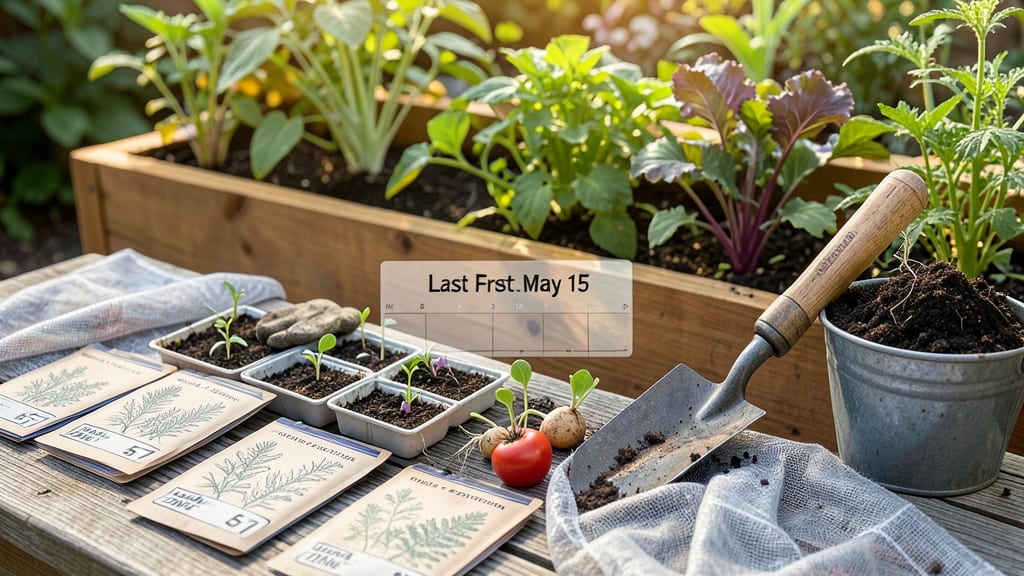
Planting your garden in Colorado at the right time means the difference between a thriving harvest and wasted effort — and the best window depends on your elevation more than the calendar.
Picture this: You’ve spent weeks prepping soil, ordering seeds, and dreaming of fresh tomatoes, only to watch your seedlings crisp under an unexpected frost or bolt into flower before producing a single fruit.
Colorado’s dramatic elevation shifts — from Denver’s 5,280 feet to Durango’s 6,512 feet — scramble the rules most planting guides follow. One region’s perfect timing is another’s recipe for disaster.
Here’s the game-changer: A region-specific schedule that accounts for frost dates, soil warmth, and microclimates.
Whether you’re in the Front Range, Western Slope, or San Luis Valley, I’ll break down exactly when to start seeds indoors, transplant outdoors, and plan your fall crops — so you can avoid the most common mistakes and grow like a local.
By the end, you’ll have a clear month-by-month guide tailored to your elevation, plus tips for extending your season with row covers and cold frames. Let’s turn your Colorado garden from a gamble into a reliable harvest.
Colorado planting zones by elevation: when to start seeds indoors vs outdoors
Colorado’s dramatic elevation shifts—from desert lowlands to alpine meadows—create wildly different gardening seasons. A tomato plant in Denver (5,280 ft) faces a shorter growing window than one in Grand Junction (4,450 ft), while high-altitude gardens (7,000+ ft) often need a 2-week head start.
Understanding these zones helps you avoid frost damage and maximize harvests. Below, I’ll break down indoor vs. outdoor planting windows for Colorado’s three key elevation bands.
First, know that Colorado’s USDA hardiness zones (5-7) don’t tell the full story—elevation adjustments can shift your last frost date by weeks. For example, Colorado Springs (6a) might see its last frost on April 20, while Fort Collins (5b) could wait until May 5.
Warm-season crops like peppers and tomatoes need all the heat they can get, so timing is critical. Cool-season crops like kale and spinach thrive in cooler temps, giving you more flexibility.
Pro Tip: Use row covers or cold frames to extend your season by 2-4 weeks in all elevations. For high-altitude gardens, consider greenhouse growing to protect tender seedlings from late frosts. Always check local Almanac frost dates, as urban areas (like Denver) can be 5-10°F warmer than rural zones.
| Elevation Band | Avg Last Frost | Indoor Start (Warm-Season) | Outdoor Plant (Cool-Season) | Outdoor Plant (Warm-Season) |
|---|---|---|---|---|
| Low (3,000–5,000 ft) | April 1–15 | Feb 15–March 1 (peppers, tomatoes) | March 15–April 1 (kale, spinach) | April 20–May 1 (tomatoes, basil) |
| Mid (5,000–7,000 ft) | April 15–May 1 | March 1–March 15 (tomatoes, peppers) | April 1–April 15 (lettuce, peas) | May 10–May 20 (tomatoes, cucumbers) |
| High (7,000+ ft) | May 1–May 15 | March 15–April 1 (short-season varieties) | April 15–May 1 (radishes, arugula) | May 25–June 1 (fast-maturing tomatoes) |
For low-elevation gardens (3,000–5,000 ft), like those in Grand Junction or Pueblo, you can start warm-season seeds indoors as early as mid-February. These areas enjoy longer growing seasons, but don’t rush—soil temperature must reach 50°F+ for tomatoes and peppers to thrive.
In mid-elevation zones (5,000–7,000 ft), including Denver and Boulder, push indoor starts to March 1 to account for later frosts. High-altitude gardens (7,000+ ft) demand patience; even fast-maturing varieties like bush beans may need a greenhouse for reliable harvests.
Cool-season crops are your best friend in Colorado’s unpredictable springs. Spinach and kale can handle light frosts and even grow through winter in mild areas. Start these outdoors in March (low elevations) or April (high elevations) for early harvests.
Warm-season crops, however, need all the heat they can get—tomatoes planted too early will bolt or produce bitter fruit. Use black plastic mulch to warm soil faster in mid-to-high elevations.
Don’t forget about fall planting! Colorado’s first frost dates vary wildly—October 15 in Denver vs. October 5 in Colorado Springs—but you can still squeeze in cool-season crops like broccoli and carrots by planting in August.
High-altitude areas may extend this window until September 1. For warm-season crops, save seeds or harvest before frosts hit, or use row covers to protect tender plants.
One common mistake? Assuming all of Colorado follows the same schedule. Urban heat islands in Denver can push last frosts 2 weeks later than rural areas, while mountain valleys may experience microclimates with earlier frosts.
Always monitor local weather and adjust your planting dates accordingly. For example, Fort Collins (5,480 ft) often sees its last frost 1 week later than Boulder (5,430 ft) due to urban warming.
To maximize your garden’s potential, start
Top 5 mistakes Colorado gardeners make with planting timing (and how to avoid them)
Colorado’s dramatic elevation shifts—from Denver’s 5,280 feet to Durango’s 6,512 feet—create wildly different planting conditions. Yet, many gardeners treat the entire state as one hardiness zone, leading to costly mistakes.
For example, planting warm-season tomatoes in Boulder’s cooler nights (Zone 5b) too early can stunt growth, while rushing cool-season kale in Colorado Springs’ urban heat islands (Zone 6a) risks bolting. Let’s fix these common timing blunders.
First, many gardeners ignore microclimates like urban heat pockets or sheltered valleys. A Denver front-range garden might hit 80°F days while nearby foothills stay 10°F cooler. Without adjustments, your pepper plants could suffer from inconsistent warmth.
Next, relying solely on USDA zone maps oversimplifies Colorado’s frost patterns—last frost dates can vary by 2-3 weeks just 10 miles apart. Finally, planting warm-season crops before soil warms to 60°F (like cucumbers) often leads to poor germination.
⚠️ callout warning ⚠️
Colorado’s unpredictable spring frosts (even in May!) can wipe out tender seedlings. The #1 mistake? Planting tomatoes or peppers before May 15 in Denver or June 1 in high-altitude areas. Use row covers or wait for soil temps ≥60°F—a soil thermometer is your best friend.
🌱 Pro Tip: Start warm-season crops indoors 6-8 weeks before your last frost date (e.g., March 15 for Denver, April 1 for Aspen).
Another frequent error is overlooking elevation-specific frost dates. While Denver’s average last frost is April 15, Grand Junction’s (Zone 7a) is March 15—a full month earlier! Planting broccoli in Grand Junction by February 15 risks bolting, while waiting until March 15 in Denver ensures steady growth.
Always check local frost data (CSU Extension is a goldmine) and adjust your planting calendar accordingly.
Gardeners in urban heat islands (like Colorado Springs) often underestimate heat stress on cool-season crops. Planting lettuce in July without shade can turn it bitter and bolt. Instead, opt for heat-tolerant varieties like ‘Black Seeded Simpson’ lettuce or use shade cloth (30-50%) during peak sun.
For high-altitude gardens (7,000+ ft), extend your growing season with cold frames—they can add 4-6 weeks of frost-free growing time.
Rushing warm-season transplants is another trap. Many assume May 1 is safe for tomatoes statewide, but Fort Collins’ cooler nights (Zone 5a) can delay maturity by 2-3 weeks. Harden off seedlings gradually and wait until nighttime temps stay above 50°F.
For peppers and eggplants, which need consistent warmth, delay planting until after June 1 in high-altitude areas. Patience here means bigger yields and healthier plants.
Finally, ignoring succession planting wastes garden space. Many Colorado gardeners plant one batch of beans in May and one batch of carrots in June, missing opportunities for continuous harvests. Instead, stagger plantings every 2-3 weeks for crops like lettuce, radishes, and bush beans.
This ensures a steady supply and maximizes your garden’s productivity—especially critical in Colorado’s short growing season.
By avoiding these timing mistakes and tailoring your approach to your specific elevation and microclimate, you’ll transform your garden from a gamble into a reliable, bountiful harvest.
Start with a soil thermometer, check local frost dates, and embrace seasonal adjustments—your plants (and taste buds) will thank you! 🌱