
Planting
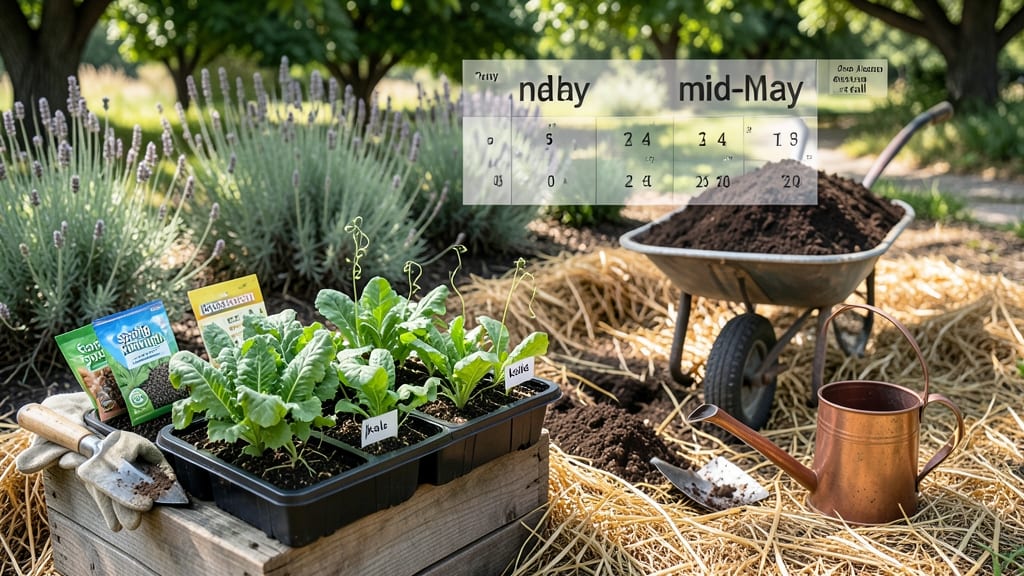
Planting a garden in Colorado means timing your 🌱 General Garden Plants around frost dates that shift wildly from the Front Range to the Western Slope.
Miss the window by even a few weeks, and you’ll either lose seedlings to late snow or watch summer heat arrive before your tomatoes set fruit. The key is knowing your elevation zone—where Denver’s 150-day growing season becomes just 90 days at 8,000 feet.
Below, I break down the exact planting windows for your zone, plus crop-specific tips to stretch your season—whether you’re in Zone 4 mountain valleys or Zone 7 plains.
You’ll learn how to use row covers to plant 3 weeks early, which veggies thrive in Colorado’s short summers, and when to start fall crops before the first frost.
Colorado frost dates by elevation Zone: critical planting windows
Colorado’s dramatic elevation shifts—from Denver’s 5,280 feet to alpine meadows above 10,000 feet—create wildly different frost patterns. A tomato seedling thriving in Fort Collins (5,000 ft) could freeze overnight in Leadville (10,000 ft) just 50 miles away.
Understanding these elevation-based frost windows is the key to avoiding wasted seeds and missed harvests.
Most Colorado gardeners rely on USDA Hardiness Zones 4–7, but elevation trumps latitude here. For example, Zone 5 Denver (5,280 ft) has 120 frost-free days, while Zone 4 Aspen (7,800 ft) averages just 80 days.
This guide breaks down last spring frost and first fall frost dates by elevation, plus how to cross-reference with seed packet instructions.
| Elevation Zone | Last Spring Frost (Avg.) | First Fall Frost (Avg.) | Frost-Free Days | USDA Zones | Heat Zone | Planting Window |
|---|---|---|---|---|---|---|
| Lowland (3,000–5,000 ft) | March 20–April 10 | October 10–20 | 180–210 days | 7–8 (Southern CO) | 9–10 | March 15–April 15 (cool crops) April 15–May 15 (warm crops) |
| Mid-Elevation (5,000–7,500 ft) | April 10–May 1 | September 20–October 10 | 140–170 days | 5–6 (Front Range) | 7–8 | April 15–May 1 (cool crops) May 15–June 1 (warm crops) |
| High-Elevation (7,500+ ft) | May 1–June 1 | September 1–15 | 100–130 days | 4 (Mountains) | 5–6 | May 15–June 1 (cool crops only) June 15–July 1 (short-season warm crops) |
Use these dates as your planting anchor points, but always check local microclimates. For example, Boulder’s flatlands may frost later than Denver’s urban heat islands. Start cool-season crops (spinach, peas, lettuce) 4–6 weeks before your last frost date—this gives them time to mature before summer heat arrives.
For warm-season crops (tomatoes, peppers, squash), wait until 2–3 weeks after your last frost. In high-elevation zones, opt for fast-maturing varieties (e.g., ‘Early Girl’ tomatoes or ‘Black Krim’), which can produce fruit in 60–70 days instead of the standard 85 days.
Fall planting follows the reverse logic: Direct-seed cool-season crops (kale, radishes, carrots) 60–90 days before your first frost. In lowland zones, this means July 1–August 15, while high-elevation gardeners should plant by June 15 to avoid early snows.
Always check seed packets for days-to-maturity and adjust your timeline accordingly.
Pro tip: Cross-reference your elevation zone with USDA Zone maps and Colorado State University Extension resources. For example, a Zone 5 seed packet might suggest planting in April, but at 7,000 ft, you’ll need to delay until May 15.
Use row covers or cold frames to extend your season by 2–4 weeks in marginal zones.
Remember: Frost dates are averages, not guarantees. Keep a frost watch thermometer handy and monitor local weather forecasts. In 2022’s late-spring freeze, Denver’s last frost occurred on May 10—two weeks later than average. Flexibility is your best tool in Colorado’s unpredictable climate.
Start your garden planning now by marking these dates on your calendar. Whether you’re in Pueblo’s lowlands or Telluride’s high country, timing is everything. Happy planting!
Best vegetables to plant in Colorado: matching crops to your frost Zone
Colorado’s diverse microclimates mean your Denver garden has different rules than your Grand Junction plot. Cool-season crops thrive in early spring and fall, while warm-season veggies need frost-free windows. Let’s match your elevation zone to the perfect planting schedule.
For lowland areas (3,000–5,000 ft), like Pueblo or Colorado Springs, you can start spinach and peas as early as March 15. Higher elevations (7,500+ ft) should wait until May 1 to avoid late frosts. Here’s your season-by-season breakdown:
📌 Colorado Planting Timeline
- 🌱 Early Spring (March–April): Cold-hardy crops like kale, peas, and lettuce. Use row covers for spinach in Zone 4.
- ☀️ Late Spring (May–June): Warm-season stars—tomatoes, peppers, and squash. Wait until soil reaches 60°F.
- 🌾 Summer (July–August): Succession plant bush beans and cucumbers every 2 weeks for continuous harvests.
- 🍂 Fall (September–October): Cool-season crops again—broccoli, carrots, and radishes. Plant 6 weeks before first frost.
Colorado-specific varieties outperform store-bought seeds. Try ‘Colorado Improved’ spinach for cold resistance or ‘Black Krim’ tomatoes, which thrive in high-altitude heat. For peppers, ‘NuMex Sandia’ handles short growing seasons better than standard types.
Succession planting is key in high-altitude gardens. After harvesting early peas, replant with bush beans in late June. In Denver (Zone 5), this gives you two harvests instead of one. Use shade cloth for peppers if summer temps exceed 90°F.
Fall planting is often overlooked but highly productive. Lettuce and kale sweeten after light frosts, while garlic planted in October yields next summer. In Zone 4, cover cabbage with frost blankets to extend harvests until November.
Pro tip: Use Colorado State University’s frost date maps to adjust for your exact location.
Mountain gardens (7,500+ ft) may have 30-day shorter seasons than Front Range areas. Test soil temps with a thermometer—50°F is ideal for cool crops, while 60°F+ is needed for tomatoes.
Start with 3–4 varieties of each crop to account for elevation delays. For example, plant ‘Early Wonder’ tomatoes (55-day variety) and ‘Big Beef’ (80 days)**—this ensures at least one harvest, even in shorter seasons. Happy planting! 🌱