
Planting
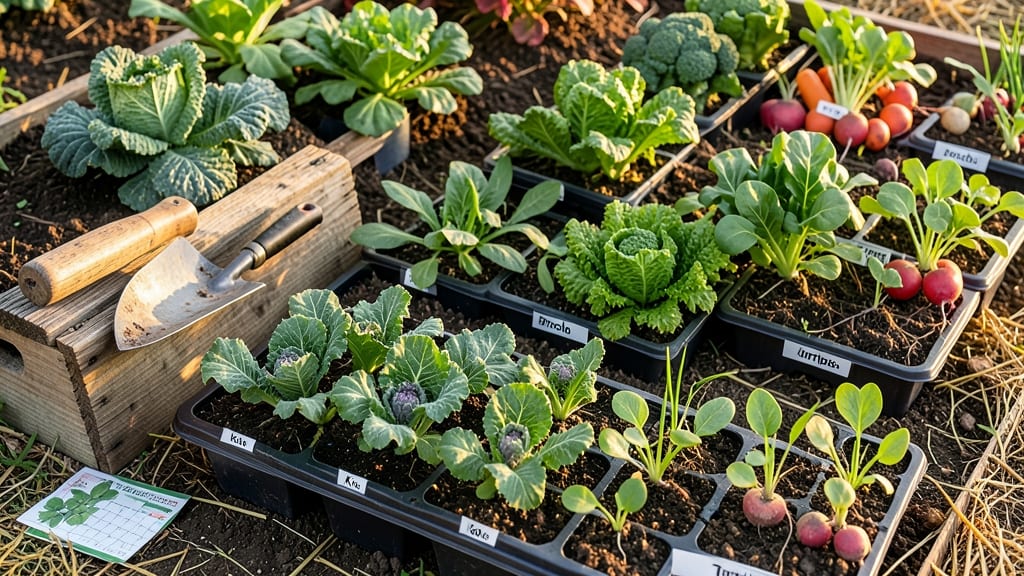
Planting a fall garden in Texas at the right time means the difference between a thriving harvest and a sad, wilted disappointment before the first frost.
Texas gardeners know the window between summer’s scorching heat and winter’s early frost is short—but timing is everything. Miss it by even a week, and your broccoli or kale might bolt before you get a single bite.
I’ve seen it happen more times than I can count, and the frustration is real.
What makes this even trickier is Texas’s varied climate zones, where North Texas can still see 90-degree days in September while South Texas is already cooling down.
The key? Knowing your exact USDA zone and planting cool-season crops like lettuce or spinach when the soil is warm but the air is finally cooperating.
In this guide, I’ll break down the exact dates for each Texas zone, the fastest-growing crops to beat the frost, and the simple tricks to extend your harvest well past the first freeze. No more guessing—just a foolproof plan for a garden that delivers.
Fall planting dates by Texas hardiness zones: exact timelines for success
Texas spans USDA Hardiness Zones 7 through 10, creating dramatic differences in fall planting windows between North and South Texas.
In Zone 7 (Panhandle, North Texas), the first frost can arrive as early as mid-October, while Zone 10 (South Texas, Gulf Coast) may see frost as late as January.
These differences mean your fall planting dates must be tailored to your specific zone—or risk losing your crops to early cold snaps.
Cool-season crops like lettuce, broccoli, and kale thrive in Texas’s fall conditions, but they need precise timing. Plant too early, and they’ll bolt or taste bitter from summer heat. Plant too late, and frost will damage tender leaves before harvest.
The key is understanding your frost-free window and adjusting for North vs. South Texas microclimates, where urban areas may frost earlier than rural zones.
Below is your zone-by-zone planting guide, including exact dates for direct sowing and transplanting, along with last-chance deadlines for extending your harvest. Use this as your roadmap to a bountiful fall garden before the first freeze!
In Zone 7, where frost can strike as early as October 15, prioritize fast-maturing crops like radishes (25 days) or bush beans (50 days). Start seeds indoors in late July for transplants ready by mid-August.
For Zone 8 (Dallas/Austin), you have more flexibility—plant broccoli and kale by September 1 for harvests before Thanksgiving.
South Texas gardeners in Zones 9–10 can push the envelope further. In Zone 9, Brussels sprouts and cabbage planted in September will reward you with harvests through December.
Meanwhile, Zone 10 gardeners can enjoy fall greens until January, but watch for unpredictable cold snaps—especially in North Central Texas.
Regardless of your zone, soil temperature is your best guide. Use a soil thermometer to confirm 50–60°F soil temps before planting. Cool soil speeds germination and reduces disease risk. If your soil is still above 70°F in early August, wait a week or two—your seedlings will struggle in the heat.
For North Texas gardeners, succession planting is key. Sow lettuce every 2 weeks from August through September to stagger harvests. In South Texas, focus on heat-tolerant varieties like ‘Black Seeded Simpson’ lettuce or ‘De Cicco
Top 10 fast-growing fall vegetables for Texas gardens (and how to extend their season)
When Texas heat finally cools in late summer, my garden transforms into a race against time—harvesting before the first frost. The key? Choosing fast-growing, frost-tolerant vegetables that thrive in our 85-95°F soil temperatures while still delivering harvests before November’s early freezes.
These top 10 picks deliver 30-50 days to maturity, giving you time to enjoy fresh greens, roots, and greens even when temps dip.
My secret weapon? Season-extending tactics like row covers and cold frames that push harvests 2-3 weeks past the average first frost date.
For example, spinach and radishes can keep producing under lightweight row covers until December in North Texas, while turnips and kale tolerate light frosts like 28-30°F without damage. Let’s dive into the fastest, hardiest crops for your Texas fall garden.
- 1. Radishes – 25-30 days to harvest; sow every 2 weeks for continuous yields. Use black plastic mulch to warm soil and speed germination.
- 2. Spinach – 30-40 days; plant Baby’s Leaf Hybrid for heat tolerance. Protect with floating row covers to extend harvests.
- 3. Lettuce – 35-45 days; choose Romaine or Buttercrunch varieties. Succession plant every 10 days for nonstop harvests.
- 4. Turnips – 30-50 days; both greens and roots thrive in cool weather. Harvest greens first to prolong root production.
- 5. Arugula – 25-35 days; peppery flavor loves cool nights. Thin seedlings to 6 inches apart for bushier growth.
- 6. Bush Beans – 50-55 days; plant Purple Hull or Blue Lake varieties. Use black fabric row covers to trap heat and extend the season.
- 7. Kale – 45-55 days; Lacinato or Red Russian varieties tolerate 25°F frosts. Harvest outer leaves to keep plants producing all fall.
- 8. Carrots – 60-70 days; choose short varieties like 'Paris Market' for faster harvests. Loosen soil to prevent forking.
- 9. Swiss Chard – 50-60 days; Bright Lights variety adds color to your garden. Cut-and-come-again harvesting encourages regrowth.
- 10. Beets – 50-60 days; harvest greens first, then roots. Use straw mulch to insulate soil and prevent bolting.
For maximum season extension, I swear by low tunnels and cold frames. A simple hoop house with row cover fabric can add 10-15°F of protection, letting you harvest spinach and arugula until December in most of Texas.
In Zone 8 and below, consider a small cold frame for kale and Swiss chard—these can stay productive until January with minimal effort.
Pro tip: Succession planting is your best friend. Instead of planting everything at once, stagger radishes, lettuce, and spinach every 10-14 days for a continuous harvest. For example, plant radishes on August 15, September 1, and September 15—you’ll have fresh radishes every 3 weeks until frost.
This method also reduces bolting in heat-sensitive greens like lettuce.
Don’t overlook container gardening for small spaces or urban gardens. Bush beans, arugula, and radishes thrive in 5-gallon pots and can be moved to sheltered porches or garages on cold nights. This gives you 2-3 extra weeks of harvests before moving plants indoors under grow lights.
Remember, soil temperature matters more than air temperature in Texas. Use a soil thermometer to ensure seeds won’t rot in warm fall soil. If temps stay above 80°F, wait until September 15 or later to plant cool-season crops—otherwise, they’ll bolt faster than you can harvest.
With these fast-growing varieties and extension strategies, your Texas fall garden can be just as productive as your spring one!