
Planting
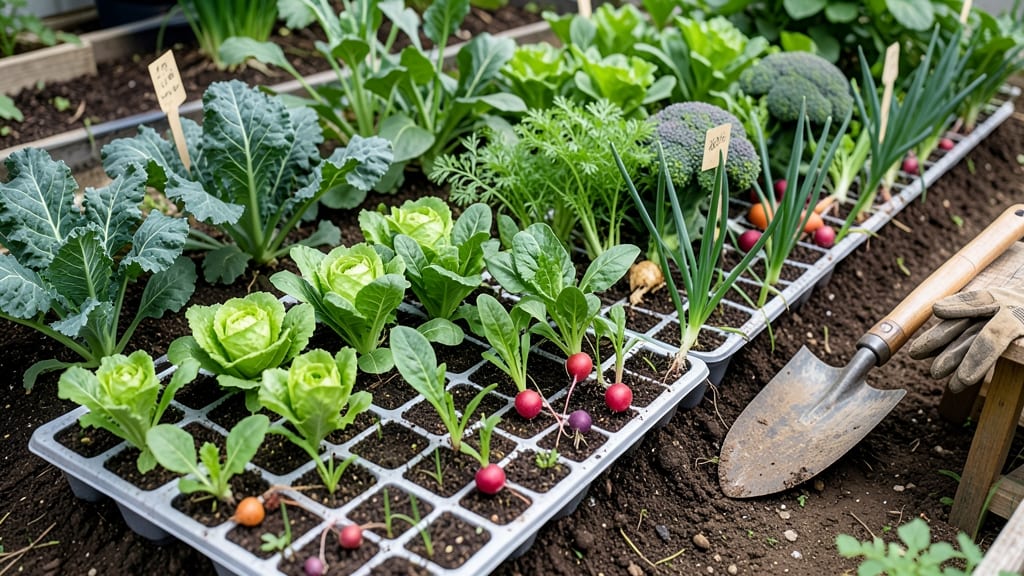
You should plant a fall garden in Texas between mid-August and early October — the window that lets you beat the heat while avoiding early frosts.
Texas’ scorching summers make fall gardening a game-changer—but planting too early or late can mean wasted effort. Timing is everything, and these exact dates will help you grow a thriving garden that outlasts winter’s chill.
Cool-season crops like leafy greens and root vegetables thrive in Texas’ milder fall temperatures, while warm-season holdovers (like tomatoes and peppers) need precise timing to mature before frost. Whether you’re in North, Central, or South Texas, knowing the right dates ensures a bountiful harvest.
In this guide, you’ll discover the ideal planting windows for each crop, soil prep tips to boost growth, and how to adjust for Texas’ unpredictable weather. Let’s get your fall garden off to the best start!
Texas fall planting calendar: exact dates by plant type for optimal growth
Texas gardeners know that fall is the perfect time to plant a second crop before winter sets in. But with North Texas (Zones 7-8), Central Texas (Zones 8-9), and South Texas (Zones 9-10) each having unique frost dates, timing is critical.
Plant too early, and your cool-season crops bolt in the heat; too late, and frost ruins your harvest. Let’s break down the exact planting windows for your region and plant types.
First, know your average first frost dates: North Texas typically sees frost by November 15-30, Central Texas around December 1-15, and South Texas rarely drops below freezing. Use this as your harvest deadline—most cool-season crops need 60-90 days to mature.
For warm-season holdovers like tomatoes and peppers, aim to plant 6-8 weeks before your first frost to give them time to mature before cooler temps slow growth.
Pro Tip: Start with fast-maturing varieties (like bush beans or radishes) in South Texas, where the growing season extends later. In North Texas, opt for hardier crops like kale or carrots that tolerate light frosts. Always check your local frost date—even a few degrees difference can shift your planting window by weeks.
For North Texas, focus on planting cool-season crops between mid-September and mid-October. This gives most vegetables time to mature before the first frost.
In Central Texas, you have a bit more flexibility—start as early as mid-August for fast growers like radishes or lettuce, but avoid planting heat-sensitive crops like spinach after mid-September. South Texas gardeners can push the envelope further, with some crops like kale or collards thriving even into December.
Don’t forget about warm-season holdovers like tomatoes and peppers. These need warmth to grow, so plant them 6-8 weeks before your first frost. In North Texas, that’s typically early August, while South Texas can extend this to late September. Use black plastic mulch
How to adjust planting dates for Texas’ unpredictable weather patterns
Texas’ fall gardening success hinges on flexibility—our weather shifts faster than a summer storm. Urban areas like Austin can be 10°F warmer than rural Hill Country, while South Texas stays balmy longer. The key? Microclimate awareness and strategic adjustments to avoid early frost or heat stress.
Start by checking your last frost date (typically November 15-30 in North Texas, December 15 in South Texas). For heat-tolerant crops like malabar spinach or black-eyed peas, you can plant 6-8 weeks before frost.
But for cool-season favorites like kale or carrots, wait until soil temps drop below 85°F.
Here’s my pro tip: Use row covers to extend your growing season by 2-3 weeks. A simple floating row cover can shield plants from unexpected late frosts while still allowing sunlight through.
For urban gardeners, containers on patios often warm up faster—plant 2 weeks later than ground beds.
🌱 Key Takeaway: Texas Fall Planting Adjustments
For direct-sown seeds, like carrots or radishes, plant every 2 weeks until October 15 to ensure a staggered harvest. But for transplants like cabbage or Brussels sprouts, start seeds indoors 6-8 weeks before your target outdoor date.
My 2023 lesson: I planted kale too early in North Texas—it bolted by October from residual heat.
Soil prep is non-negotiable. Test your soil pH (aim for 6.0-7.0) and amend with compost in July-August to give microbes time to activate. In urban areas, raised beds warm up faster—plant 1 week earlier than ground beds.
For rural farms, focus on drainage to avoid waterlogged soil after September rains.
Protect your fall garden with these three strategies:
- Mulch heavily (3-4 inches) to regulate soil temp
- Water deeply in mornings to prevent fungal diseases
- Monitor forecasts—use row covers for 24-hour frost alerts
With these adjustments, you’ll beat Texas’ weather and enjoy harvests until December! 🌱