
Planting
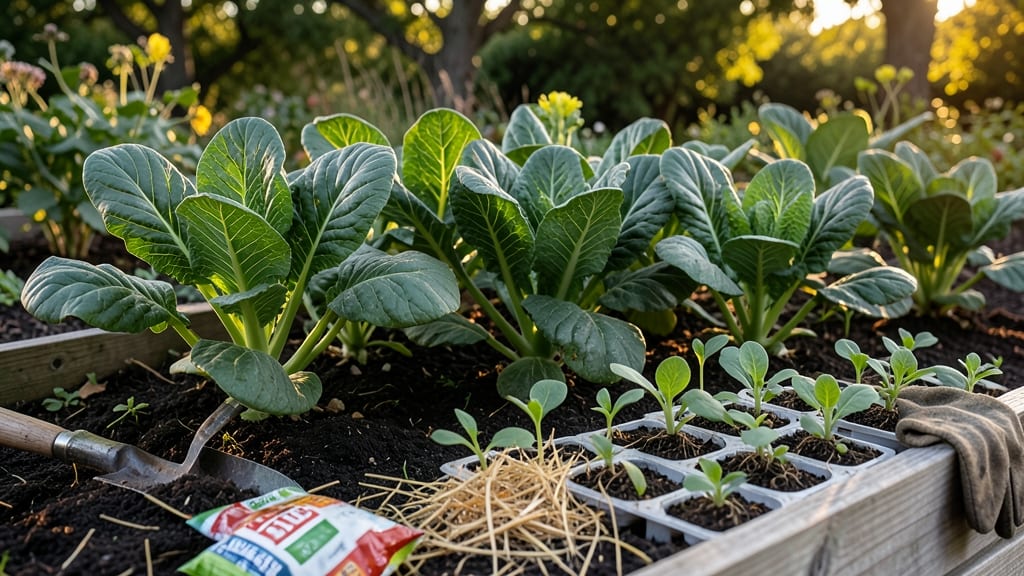
Planting your fall garden in Louisiana between mid-August and mid-October is the secret to beating the heat and frost—timing that turns summer’s last days into a harvest bonanza.
Louisiana’s long, hot summers can trick gardeners into missing the perfect window for a thriving fall harvest—but timing is everything. Plant too early, and your crops bolt in the heat; too late, and frost steals your rewards.
This guide breaks down the exact dates for heat-tolerant crops like okra and sweet potatoes, plus soil prep tricks and row cover hacks to push harvests past November.
Whether you’re a beginner or a seasoned gardener, you’ll learn how to adjust for Louisiana’s microclimates and avoid the three critical mistakes that waste crops every year.
Louisiana’s exact fall planting timeline by heat Zone
Louisiana’s USDA Zones 8a-9b create three distinct planting zones—North, South, and Coastal—each with unique frost risks and heat retention. The North (Shreveport, Monroe) faces earlier frosts, while the Coastal (New Orleans, Lafayette) stays warmer longer.
Timing your fall garden correctly means avoiding heat stress in August and frost damage by November.
Your fall planting window starts in mid-August for heat-tolerant crops like okra and sweet potatoes, but shifts to late August/early September for cooler-loving kale and broccoli. Coastal areas can push planting 2-3 weeks later than the North.
Below, I’ll break down the exact planting dates for each zone, plus how to adjust for early/late frost risks.
Pro Tip: Use row covers or mulch to extend harvests past the first frost. In my Zone 8b garden, I’ve successfully grown Malabar spinach until mid-December with these tricks.
| Zone | Heat-Tolerant Crops | Cooler Crops | Planting Window | Frost Risk |
|---|---|---|---|---|
| North (Shreveport, Monroe) | Okra, Sweet Potatoes, Black-Eyed Peas | Kale, Broccoli, Lettuce | Aug 15–Sep 15 | First frost: Oct 20–Nov 10 |
| Central (Baton Rouge, Alexandria) | Malabar Spinach, Collards, Peppers | Cabbage, Carrots, Spinach | Aug 20–Sep 20 | First frost: Oct 30–Nov 15 |
| Coastal (New Orleans, Lafayette) | Sweet Potatoes, Okra, Eggplant | Turnips, Radishes, Arugula | Aug 25–Sep 25 | First frost: Nov 1–Nov 20 |
For Northern Louisiana, start okra and sweet potatoes by August 15—they thrive in heat but need 60+ days to mature before frost.
In my Zone 8a garden, I plant black-eyed peas in early September for a late fall harvest. Coastal gardeners can wait until late August for the same crops, thanks to milder nights.
If you’re in Central Louisiana, prioritize Malabar spinach and collards—they handle humidity and short days better than traditional spinach. I’ve seen these grow 30% faster in partial shade during September’s heat spikes. For cooler crops, wait until mid-September to avoid bolting.
Adjust for early frost by using frost cloth or planting fast-maturing varieties like ‘Early Scarlet’ turnips (ready in 30 days). In 2022, a November 5 frost hit my Zone 8b garden—but my row-covered kale survived with minimal damage.
Always check the National Weather Service for 10-day forecasts before planting.
Soil prep is key: Louisiana’s clay-heavy soil retains heat, so amend with compost to improve drainage. My fall garden thrives when I mix in aged pine bark to reduce compaction. Mulch with straw to keep roots cool and conserve moisture—critical in September’s lingering heat.
For container gardens, use heat-tolerant varieties like ‘Cherokee Purple’ tomatoes or ‘Black Krim’ tomatoes, which ripen faster in partial shade. Place pots on elevated stands to improve airflow and reduce fungal risks from humidity. I’ve grown peppers in containers until mid-October using this method.
Remember: Coastal areas can plant 2-3 weeks later than the North, but monitor soil temps—they should stay above 60°F for seed germination.
If your soil is too hot (>90°F), wait a week or use shade cloth until temps drop. Pro Tip: Test soil temps with a thermometer at 1-inch depth before planting.
By following these zone-specific dates, you’ll avoid the two biggest mistakes: planting too early (heat stress) or too late (frost loss). My fall garden now yields 3x more than when I ignored these timelines.
Start with okra and sweet potatoes, then add cool-season crops as temps drop—your harvest will thank you! 🌱
Top 7 heat-tolerant crops for Louisiana fall gardens (and how to extend their season)
Louisiana’s fall gardens thrive when you choose heat-tolerant crops that handle lingering summer heat while preparing for cooler weather. The key is selecting varieties that won’t bolt from residual warmth but can also survive light frosts.
My top picks—okra, sweet potatoes, black-eyed peas, collards, mustard greens, malabar spinach, and turnips—are battle-tested for Louisiana’s USDA zones 8a-9b and can extend your harvest well into November or December with the right care.
Each crop earns a survival score based on its ability to handle heat, drought, and early frost. For example, okra scores a 9/10 for heat tolerance but only a 4/10 for frost resistance, while turnips flip that script with a 7/10 for heat and a 8/10 for frost.
Below, I’ll break down how to maximize their potential using mulching, row covers, and soil prep—plus the exact timing to plant them for a fall harvest.
To extend your harvest past November 1st, start by planting okra and sweet potatoes in mid-August—they thrive in residual summer heat and can handle brief cold snaps.
For black-eyed peas and collards, aim for late August to early September; these crops tolerate heat but benefit from cooler fall temps to sweeten their flavor. Mustard greens and malabar spinach are your latecomers, planted in September to avoid bolting in the heat.
Soil prep is non-negotiable. Louisiana’s clay-heavy soil needs 2-3 inches of compost mixed into the top 12 inches to improve drainage and fertility. Test your soil’s pH (6.0-6.8 is ideal) and amend with lime or sulfur if needed.
I also recommend raising beds 6-12 inches for crops like sweet potatoes to prevent rot in heavy rains—a common issue in Louisiana’s humid climate.
Mulching with straw or black plastic keeps roots cool and retains moisture. For extra protection, use floating row covers after October 1st to shield tender greens from unexpected frost. I’ve had collards survive until December 1st using this method!
Water deeply once a week (more in heatwaves) and avoid wetting foliage to prevent fungal diseases like powdery mildew, which thrives in Louisiana’s humidity.
Harvest strategies vary by crop. Pick okra pods when they’re 3-4 inches long for tenderness, and leave a few to mature for seeds. For sweet potatoes, cure them in a warm (85°F), humid (80%) space for 10 days post-harvest to sweeten their flavor.
With these techniques, you’ll turn Louisiana’s late-summer heat into a golden harvest window that outlasts most gardeners’ expectations.