
Planting
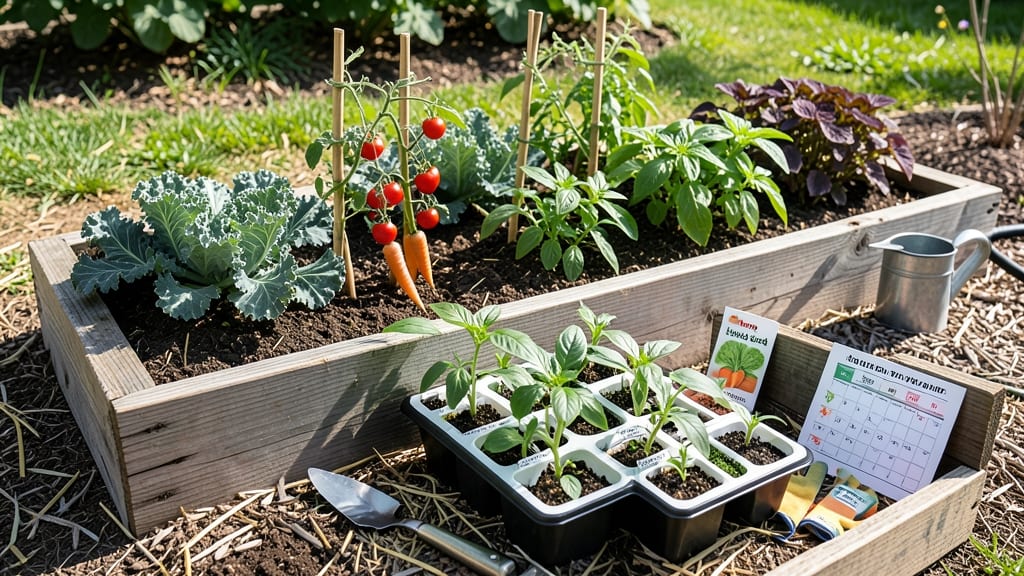
To plant a vegetable garden in Virginia, time your sowing between late February and early April for spring crops, depending on your zone—miss this window and risk frost damage or stunted growth.
Virginia’s diverse climate zones mean your vegetable garden’s success hinges on timing—plant too early and face frost damage, too late and miss peak harvests. Get the exact frost-date timeline by zone and variety to maximize your garden’s potential this year.
Whether you’re in the cooler Mountains (Zone 6a-7a) or the warmer Coastal Plain (Zone 8a), the right planting window ensures stronger starts and bigger harvests. Cool-season crops like spinach and peas thrive in early spring, while tomatoes and peppers need warmer soil to take off.
Below, I break down the ideal planting months for each zone, how to prep your soil, and which crops perform best in Virginia’s spring and summer—so you can plan like a pro and avoid common mistakes that waste your hard work.
Virginia’s frost dates by Zone: critical planting windows for vegetables
Virginia spans USDA hardiness zones 5a through 8a, creating dramatic differences in frost timing across the state. In Zone 5a (mountains), gardeners face late last frosts around April 15-30, while Zone 8a (Tidewater) enjoys early planting as early as February 15.
Understanding these windows helps you avoid frost damage to tender crops while maximizing harvests.
Cool-season vegetables like spinach and kale thrive when planted 6-8 weeks before last frost, while tomatoes and peppers need soil temperatures above 60°F—typically after May 1 in most zones. Below is your zone-specific frost calendar to plan with precision.
Pro Tip: Use row covers to extend seasons by 2-4 weeks in cooler zones (5a-6b), or opt for heat-tolerant varieties in Zone 8a to avoid summer stress.
For Zone 5a, I recommend starting cool-season crops indoors in February to give seedlings a head start. In Zone 8a, you can even plant warm-season crops like okra as early as March 1 if you protect them with row covers during unexpected cold snaps.
Fall planting follows a reverse timeline—cool-season crops like broccoli and carrots should go in 8-10 weeks before first frost. In Zone 6a, that means late July to early August, while Zone 8a can extend planting until September 15.
Use soil thermometers to verify warm-season planting readiness. Tomatoes need 60°F+ soil, while peppers prefer
Best vegetables to plant in Virginia by season: month-by-month guide
Virginia’s climate spans from USDA Zone 5a in the mountains to Zone 8a along the coast, creating unique planting opportunities year-round. Whether you're in northern Virginia’s cooler springs or southern Virginia’s extended growing season, timing your vegetable plantings by month ensures bountiful harvests.
Let’s break down the best vegetables to plant each month, tailored to Virginia’s diverse microclimates.
For cool-season crops, focus on January through April when temperatures are mild. In contrast, warm-season vegetables thrive when planted from April through June after the last frost. Southern Virginia gardeners can even extend planting into July for fall harvests, while northern zones should prioritize early starts.
- January: Spinach, onions, garlic, kale (cold-hardy greens thrive in winter). Use row covers for protection.
- February: Peas, lettuce, radishes, carrots (direct sow after last frost risk passes). Ideal for Zone 7a+.
- March: Broccoli, cauliflower, beets, potatoes (plant sets when soil reaches 45°F).
- April: Tomatoes, peppers, cucumbers, beans (wait until soil warms to 60°F and frost risk ends).
- May: Sweet corn, squash, eggplant, okra (heat-lovers for Zone 7a-8a). Start fall crops like kale and turnips.
- June: Green beans, cabbage, brussels sprouts (late summer plantings for fall harvests). Mulch to retain moisture.
- July: Fall lettuce, radishes, spinach (direct sow for cool-season harvests before winter).
In northern Virginia (Zones 5a-6b), prioritize early spring plantings like peas and lettuce in March, while southern Virginia (Zones 7a-8a) can extend warm-season crops like tomatoes and peppers into early July.
Always check your local last frost date—typically mid-April in the north and early March in the south.
For container gardening, opt for compact varieties like bush beans, cherry tomatoes, or baby carrots. These thrive in pots and can be planted 2-4 weeks later than in-ground crops to avoid early-season chills. Use heat-tolerant varieties (e.g., ‘Celebrity’ tomatoes) in southern zones to prevent bolting.
Pro tip: Succession plant fast-growing crops like radishes and bush beans every 2-3 weeks to ensure continuous harvests. This works year-round in Virginia’s mild winters and extended summers.
🌱