
Planting
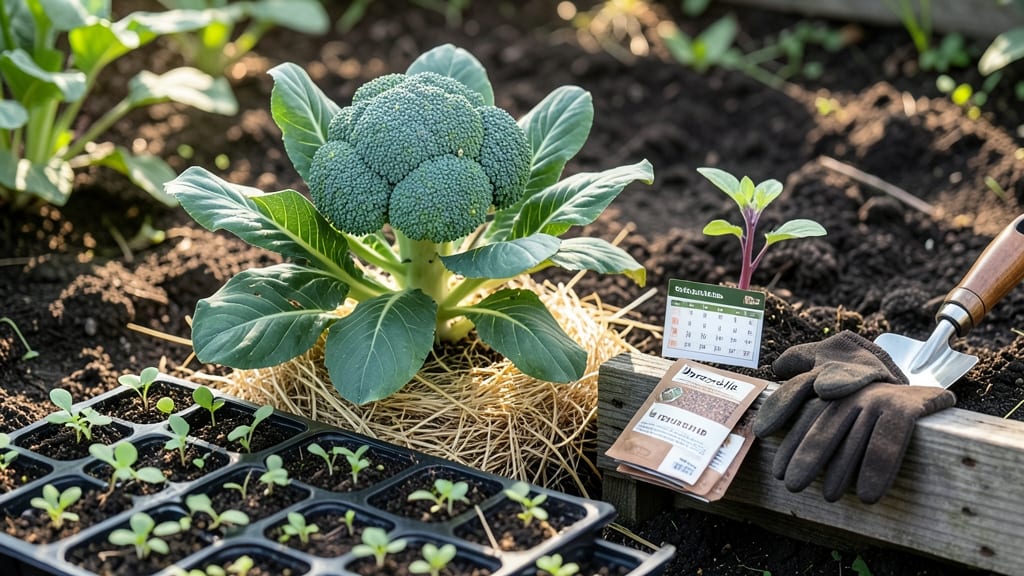
To plant a vegetable garden in Seattle, time your sowing between late February and early May for spring crops, then again in August for fall harvests—missing these windows means risking frost damage or stunted growth.
Seattle’s unpredictable weather can make or break your vegetable garden—planting at the wrong time means wilted dreams instead of homegrown harvests. Master the perfect timing for each crop using Seattle’s frost dates, microclimates, and expert-approved planting windows.
With Zone 8a frost dates running from mid-March to November, cool-season crops like kale and carrots thrive when planted in early spring, while tomatoes and peppers need to wait until soil warms in May. Urban areas may have slightly later windows due to heat retention.
Below, I’ll break down the exact months to start seeds indoors, direct-sow outdoors, and use row covers for extra protection—plus how to extend your harvest well into fall without losing your plants to early frosts.
Seattle’s frost dates and planting zones: key timelines by season
Seattle’s USDA Zone 8a climate means last frost dates typically land around March 15, while the first frost usually arrives on November 1. These dates create a 165-day frost-free window, perfect for growing both cool-season and warm-season crops.
However, Seattle’s rain shadows (like the drier Eastside) and urban heat islands can shift these timelines by up to 2 weeks.
Understanding these microclimates is critical—what works in Ballard (cooler, wetter) may fail in Bellevue (warmer, drier). For example, kale and carrots can handle light frosts, while tomatoes and peppers need warmer soil to thrive. Always check soil temperature (use a soil thermometer) before planting warm-season crops.
Here’s a seasonal breakdown of when to plant in Seattle, accounting for frost risks and microclimates:
For cool-season crops, start seeds indoors in February and transplant after the last frost. Use row covers to protect seedlings from late frosts—these can extend your growing season by 2–3 weeks.
In urban areas, heat from buildings can create microclimates where tomatoes and peppers ripen earlier, while windy coastal areas may need windbreaks to protect young plants.
Adjust planting times based on your location: Eastside gardens (like Kirkland) often have earlier last frosts (mid-March) and later first frosts (early November), while West Seattle may experience frosts 2 weeks later.
Always monitor local weather forecasts and use frost cloth for sensitive plants like eggplants or melons.
If you’re in a shaded garden, prioritize leafy greens and root vegetables that tolerate partial shade.
For full-sun crops, choose the south-facing side of your yard or use reflective mulch to boost warmth. Succession planting (sowing seeds every 2 weeks) ensures a continuous harvest—ideal for lettuce, radishes, and bush beans.
Fall planting is your second chance for a bountiful harvest. Start Brussels sprouts and kale in August for a sweetened-by-frost harvest in October–November. Use black plastic mulch to warm soil for late-season tomatoes or peppers, extending their growing window by 3–4 weeks.
Pro tip: Test your soil in early spring (pH 6.0–7.0 is ideal for most veggies). Amend with compost or aged manure to improve drainage, especially in clay-heavy Seattle soil. Drainage issues can delay planting—raise beds or add sand if needed.
Remember, Seattle’s rainy seasons (fall and winter) can lead to soil compaction and disease if not managed. Avoid working wet soil—wait until it’s crumbly before planting. For container gardens, use well-draining mixes and place pots in sunny spots to maximize warmth.
By aligning your planting with Seattle’s frost dates and microclimates, you’ll avoid common pitfalls like bolting greens or blossom-end rot in tomatoes. Start with cold-hardy crops, then transition to warm-season plants as temperatures rise—your garden will thrive year after year! 🌱
Best vegetables to plant in Seattle by month: month-by-month guide
Seattle’s cool maritime climate means your vegetable garden thrives with the right timing—plant too early, and frost zaps your seedlings; too late, and summer heat stresses tender crops.
The key is matching cool-season crops (like kale and carrots) to Seattle’s spring and fall windows, while reserving warm-season plants (tomatoes, peppers) for late May through August. I’ve broken it down month-by-month to maximize your harvests.
Start with February and March for cold-hardy crops like peas, spinach, and lettuce—these can handle light frosts and even thrive in Seattle’s chilly, wet springs.
By April and May, transition to hardier warm-season crops like beans and cucumbers, using row covers to protect from late frosts. Succession planting (sowing every 2-3 weeks) ensures a steady supply of greens like radishes or arugula all season.
- 📅 February-March: Direct-sow peas, spinach, kale, carrots, and lettuce—these handle 32–40°F soil and light frosts. Start onion and broccoli seeds indoors.
- 📅 April: Plant potatoes, radishes, and arugula outdoors. Transplant broccoli, cabbage, and cauliflower seedlings when soil warms to 45°F.
- 📅 May: Warm-season stars arrive! Direct-sow beans, corn, and cucumbers. Transplant tomatoes, peppers, and eggplants after May 15 (avg. last frost date).
- 📅 June-August: Succession plant warm crops like zucchini, squash, and basil. Harvest early spring crops (like peas) to make room for fall plantings.
- 📅 September: Replant cool-season crops (kale, carrots, spinach) for a fall harvest. Use row covers to extend the season.
- 📅 October-November: Focus on garlic, onions, and hardy greens like winter kale. Avoid planting anything after October 15—frost will kill tender crops.
Seattle’s fall harvests are where the magic happens—September and October are prime for cool-season crops like bok choy, Brussels sprouts, and turnips. Use black plastic mulch or row covers to warm soil and protect plants from early November frosts.
I’ve had kale survive until December with these tricks!
For warm-season crops, time is critical—tomatoes and peppers need 60+ days of warm weather, so plant them after May 15 and use cold frames for early starts. Succession planting every 2 weeks ensures a continuous supply of bush beans or lettuce all summer.
Pro tip: Harvest leafy greens early to encourage regrowth and extend your harvest window.
Don’t forget soil prep—Seattle’s acidic, clay-heavy soil benefits from compost and aged manure before planting. Test your soil in February and amend as needed. Mulch heavily in spring to retain moisture and suppress weeds, especially in rainy months.
With this schedule, you’ll enjoy homegrown veggies from spring to fall—no grocery store required!
🌱