
Planting
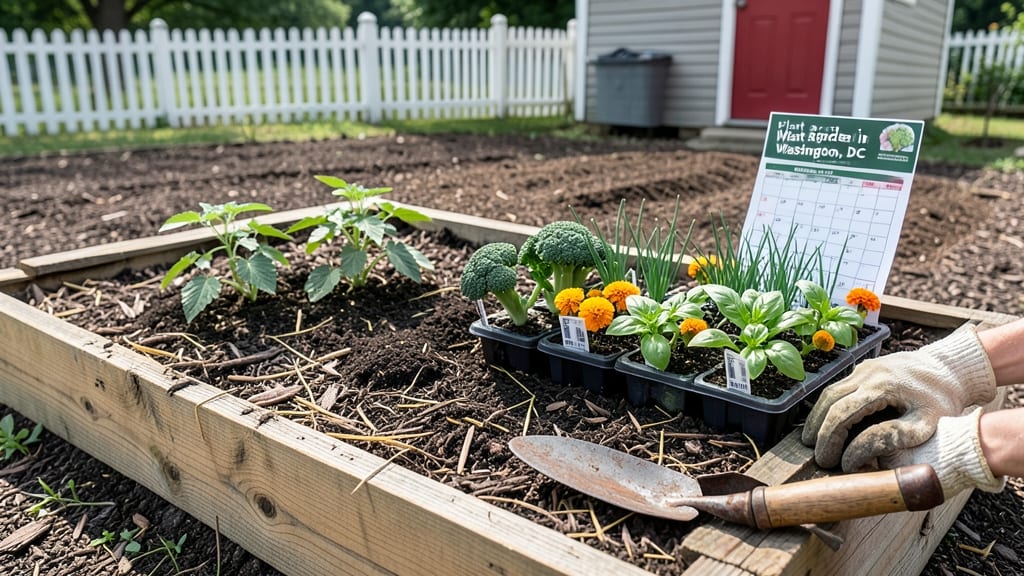
Planting a garden in Washington, DC, starts with timing—specifically, knowing when the last frost passes and how to work with the city’s unique microclimates.
Washington, DC’s unpredictable frost dates can turn a promising garden into a disaster if you’re not careful. One year, your seedlings might bolt in the heat; the next, a late freeze could wipe out your early crops.
But with the right timing, you can grow lush vegetables and vibrant flowers from spring through fall.
Most DC gardeners wait until mid-April to early May for warm-season crops like tomatoes and peppers, but cool-season greens like spinach and kale can go in as early as February.
The key is adjusting for your specific neighborhood—urban heat islands warm up faster than suburban areas, and frost pockets near the Anacostia River can delay planting.
In this guide, I’ll break down the exact frost dates, the best planting windows for every season, and how to protect your garden from DC’s unpredictable weather. Whether you’re a first-time gardener or a seasoned pro, these tips will help you plant for success and avoid common mistakes.
Washington DC’s frost dates and best planting windows by season
Washington DC sits in USDA Hardiness Zones 7b-8a, meaning we enjoy a long growing season but face unpredictable frost dates that can derail even the most eager gardeners.
The average last frost date hovers around April 15, while the first frost typically arrives between October 31 and November 15. However, these dates can shift by 2-3 weeks depending on whether you're gardening in urban DC (warmer microclimates) or suburban areas (cooler pockets).
Understanding these windows is crucial because planting cool-season crops like lettuce or peas too late risks bolting, while warm-season plants like tomatoes or peppers need to avoid frost entirely.
DC’s humidity and heat spikes also demand precise timing—wait too long, and your seedlings may struggle to establish before summer’s intensity sets in. Let’s break down the exact planting windows you need to know.
📅 Key Dates to Remember:
- Last Frost (Spring): April 15 (urban) to April 25 (suburban)
- First Frost (Fall): October 31 (suburban) to November 15 (urban)
- Frost-Free Growing Season: ~210 days
For urban gardeners in neighborhoods like Georgetown or Capitol Hill, microclimates can push your last frost date 1-2 weeks earlier due to heat island effect. Test your soil’s readiness by checking if it’s workable and at least 50°F—a simple soil thermometer ($10 at garden centers) solves guesswork.
In suburban areas like Arlington or Silver Spring, cooler pockets may delay planting by 10-14 days, so monitor local forecasts from the NOAA DC station.
Warm-season crops like tomatoes and peppers need consistent soil temps above 60°F to thrive.
Start seeds indoors 6-8 weeks before your last frost date, then harden off seedlings for 7-10 days before transplanting. Basil and cucumbers are heat-lovers too—plant them only after May 20 to avoid blossom-end rot from temperature swings.
For cool-season crops, direct-sow spinach and peas as early as March 15, but protect them with frost cloth if nights dip below 32°F.
Fall planting is where DC gardeners often miss the window. Many rush to plant warm-season crops in late summer, only to see them struggle with heat stress. Instead,
Top 5 crops to plant in DC’s spring vs. fall (with exact timing)
DC’s spring and fall seasons offer perfect windows for growing cool-season crops that thrive in milder temperatures. Unlike summer’s heat, these seasons provide ideal conditions for leafy greens, root vegetables, and legumes—all while avoiding pests that plague warmer months.
I’ve planted these same crops for years in my USDA Zone 7b garden, and the timing makes all the difference.
For spring, focus on fast-growing crops that tolerate light frosts, like peas and lettuce. In fall, hardier varieties such as kale and carrots shine as temperatures drop. The key?
Planting at the right time—too early, and frost will kill seedlings; too late, and summer’s heat stresses delicate plants. Let’s break down the best crops for each season, with exact planting dates and pro tips to maximize your harvest.
Peas 🌱: Start seeds 2–3 weeks before last frost (early March). Choose sugar snap or shelling varieties for 60–70 days to harvest.
Lettuce 🥬: Sow seeds 2–4 weeks after last frost (mid-April). Use cut-and-come-again varieties like romaine for continuous harvests.
Kale 🥬: Transplant 6–8 weeks before first frost (early August). Choose cold-hardy varieties like ‘Winterbor’ for harvests until December.
Carrots 🥕: Sow seeds 10–12 weeks before first frost (late July). Use shorter varieties like ‘Paris Market’ for urban gardens with rocky soil.
Spinach 🌱: Plant 4–6 weeks before first frost (late September). Choose slow-bolting varieties like ‘Bloomsdale Long Standing’ for winter harvests.
To extend harvests, use succession planting. For example, sow lettuce every 2 weeks in spring for a continuous supply. In fall, plant spinach in late September to harvest before winter sets in.
I’ve even used row covers to protect kale from light frosts, adding 2–3 weeks to the harvest window.
Soil prep is critical. Before planting, amend your beds with compost and aged manure to improve drainage and fertility. DC’s clay-heavy soil can compact easily, so mix in sand or perlite if needed.
Test your soil’s pH—most cool-season crops prefer a range of 6.0–7.0. My garden’s pH was too acidic last year, so I added lime in fall to prep for spring planting.
Don’t forget to mulch after planting to retain moisture and suppress weeds. Use straw or shredded leaves—they break down slowly and improve soil structure over time. I’ve found that mulching carrots in fall keeps them crisp even through December harvests.
Pair these techniques with drip irrigation to avoid overwatering, and you’ll have a thriving garden that outlasts DC’s unpredictable seasons.