
Planting
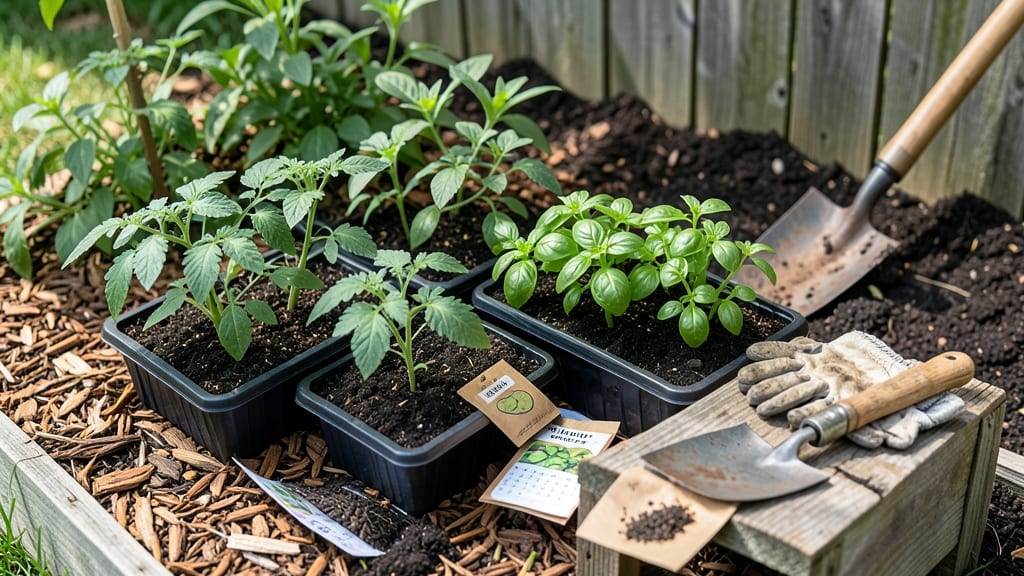
Planting a garden in Virginia at the right time means the difference between a thriving harvest and a disappointing loss—especially when frost dates shift from the coast to the mountains.
Virginia’s diverse climate—from the cool mountains to the humid coast—means planting times vary dramatically, and getting it wrong can mean lost crops or stunted growth. But with the right frost-free dates by region, you can maximize your garden’s potential and enjoy a bountiful harvest all season long.
Cool-season crops like broccoli and spinach thrive when planted 4-6 weeks before your last frost, while warm-season favorites such as tomatoes and peppers need to wait until 2-3 weeks after.
In Virginia’s 6a-8a zones, that window opens as early as mid-March in the Coastal Plain and as late as early May in the higher elevations.
Below, I’ll break down the exact planting schedule by region, share strategies for adjusting to Virginia’s unpredictable spring weather, and highlight the best crops for each season—so you can plan with confidence and avoid common mistakes.
Virginia’s frost-free dates by region: when to plant cool-season vs. warm-season crops
Virginia’s diverse climate creates unique planting challenges, with last frost dates varying by 10-15 days across regions. Whether you're in the humid Coastal Plain or the cooler Blue Ridge Mountains, timing matters for your cool-season crops like spinach and warm-season favorites like tomatoes.
Let’s break down the frost-free windows so you can plan with confidence.
Understanding your local frost dates helps you avoid late spring frosts that can devastate tender seedlings. The Virginia Cooperative Extension provides regional averages, but I’ve added real-world adjustments for urban heat islands and microclimates—like south-facing slopes—that can shift planting by weeks.
For example, Roanoke’s Valley & Ridge often warms faster than Richmond’s Piedmont, giving gardeners there an earlier start.
Here’s the comparison table with frost-free dates and planting windows for Virginia’s 5 key regions, plus adjustments for cool-season vs. warm-season crops:
| Region | Avg. Last Frost | Avg. First Frost | Cool-Season Planting | Warm-Season Planting | Microclimate Adjustment |
|---|---|---|---|---|---|
| Coastal Plain (e.g., Norfolk, Virginia Beach) | Mid-April | Mid-November | Feb 15–March 15 | April 15–May 1 | +3–5 days (humidity delays frost) |
| Piedmont (e.g., Richmond, Charlottesville) | Late March | Late October | March 1–March 15 | April 1–April 15 | ±7 days (urban areas warm faster) |
| Blue Ridge (e.g., Roanoke, Lynchburg) | Early April | Early November | March 1–March 30 | April 15–May 1 | –5 days (higher elevations cool slower) |
| Valley & Ridge (e.g., Staunton, Harrisonburg) | Late March | Mid-October | Feb 28–March 15 | April 1–April 15 | +5 days (valleys warm early) |
| Appalachian Plateau (e.g., Bristol, Norton) | Early April | Late October | March 15–April 1 | May 1–May 15 | –7 days (cool nights delay planting) |
For cool-season crops like kale, broccoli, and peas, plant 4–6 weeks before your region’s last frost.
In the Coastal Plain, that means starting seeds indoors by February 15, while Appalachian Plateau gardeners should wait until March 15. Warm-season crops like tomatoes, peppers, and cucumbers need to wait until 2–3 weeks after the last frost—so hold off until mid-April in most regions.
City gardeners in Richmond or Norfolk often face urban heat islands, where pavement and buildings trap warmth. This can shift planting dates 5–7 days earlier for warm-season crops. To test your microclimate, place a frost-sensitive plant like basil
How to adjust planting times for Virginia’s unpredictable spring weather
Virginia’s spring weather can be as unpredictable as a rollercoaster—one day it’s freezing, the next it’s sweltering. As someone who’s lost more than a few plants to late frosts, I’ve learned the hard way that rigid planting schedules don’t work here.
The key is flexibility, and that starts with understanding how to adapt your timing based on real-time conditions rather than calendar dates.
Instead of following a one-size-fits-all timeline, I now use a combination of soil temperature checks, microclimate awareness, and staggered planting to protect my garden.
For example, my tomato seedlings in the Piedmont region often wait until mid-May to go outdoors, while my neighbor in the Coastal Plain might plant theirs in early April. The difference? A few degrees in soil warmth and a week’s worth of frost risk.
Here’s the critical mistake I used to make: assuming that because the air feels warm, the soil is ready. Soil temperature is what truly matters for seed germination and transplant success. A simple soil thermometer (around $10) can save you from wasted seeds and stunted plants.
For most warm-season crops like peppers and eggplants, aim for soil temps of at least 60°F. Cool-season crops like lettuce and spinach can handle cooler soils, but they still need protection from late frosts.
⚠️ WARNING: Late Frosts Are Virginia’s Silent Garden Killer Virginia’s last frost dates vary wildly—from early March in the Coastal Plain to early May in the Appalachian Plateau. But even after the "average" last frost, a late freeze can still strike.
I learned this when my broccoli plants turned to mush in late April.
Here’s how I now protect my plants: - Use frost cloth (not row covers) for lightweight protection—it lets light and water through while blocking frost. - Plant heat-loving crops like okra and sweet potatoes only after Memorial Day, when soil temps consistently stay above 70°F. - Stagger plantings by 2-3 weeks for crops like beans and cucumbers to ensure a continuous harvest, even if one batch gets nipped by frost. - Monitor forecasts from the Virginia Cooperative Extension for localized alerts.
Another trick I’ve adopted is the "5-4-3 Rule" for staggered planting: divide your seeds into five groups, plant them four days apart, and space them three inches apart in the soil.
This ensures that if one planting gets hit by frost, you still have healthy seedlings ready to thrive. It’s especially useful for carrots, radishes, and lettuce, which bolt (go to seed) quickly in warm weather.
Don’t forget about microclimates—your garden isn’t uniform. South-facing beds warm up faster, while shady spots near fences stay cooler. I’ve even seen strawberries bloom earlier in sunny patches than in the main bed. Use these microclimates to your advantage: plant frost-sensitive crops in the warmest spots first.
And if you’re in a valley or low-lying area, expect frost pockets—these are the first to freeze and the last to thaw.
Finally, embrace the "wait-and-see" approach. I used to get impatient and plant too early, only to have to replant. Now, I wait until I see dandelions blooming (a sure sign of warming soil) or until my soil thermometer consistently reads above 50°F for cool-season crops.
For warm-season plants, I hold off until the dogwood trees are in full bloom—a natural indicator that the risk of frost has passed. Patience pays off in a garden that thrives, not one that barely survives.