
Watering
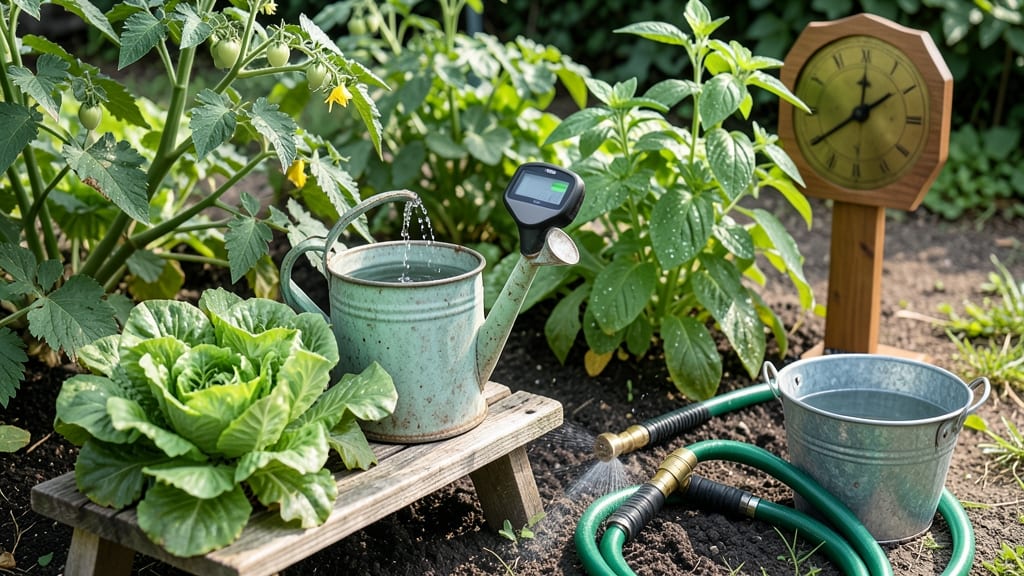
Watering your vegetable garden every day can actually harm more than help 🥬 — the key is deep, infrequent soaks that encourage strong roots.
Overwatering your vegetable garden can drown plant roots just as fast as underwatering stunts growth—so how do you strike the perfect balance? The answer isn’t a one-size-fits-all schedule but a mix of soil checks, weather awareness, and plant-specific needs.
Most vegetables thrive with 1-2 inches of water per week, delivered in the morning to reduce evaporation and fungal risks. But leafy greens like lettuce need consistent moisture, while root crops like carrots prefer deeper, less frequent watering.
In this guide, I’ll break down the exact watering schedule by season, how to test soil moisture, and the 5 common mistakes that lead to wilting or root rot—so you can keep your garden lush without wasting a drop.
The science behind watering: how often vegetables really need moisture
Watering your vegetable garden isn't about following a one-size-fits-all schedule—it's about understanding how soil moisture interacts with your plants' roots. Leafy greens like lettuce and spinach need consistent dampness, while root crops such as carrots and potatoes thrive in slightly drier conditions.
The key lies in evaporation rates, which vary by climate, season, and even time of day. For example, a tomato plant in full sun may need watering every 2-3 days in summer, while a zucchini in partial shade might only require water every 5-7 days.
Overwatering can suffocate roots, while underwatering stresses plants, leading to wilting or stunted growth.
Most gardeners assume they need to water daily, but this leads to fungal growth and wasted water. Instead, focus on deep watering—soaking the soil 6-8 inches deep—to encourage roots to grow downward. A simple test: Stick your finger 2 inches into the soil.
If it feels dry, it's time to water. If it's still moist, wait another day. This method helps you avoid both overwatering and underwatering, two of the most common mistakes that kill vegetable gardens.
Soil type plays a huge role in how often you should water. Sandy soil drains quickly, requiring more frequent watering, while clay soil holds moisture longer. If your garden has heavy clay, you might only need to water every 4-5 days, whereas sandy soil could need daily checks. Mulching with straw or wood chips helps retain moisture and reduces evaporation, cutting down your watering frequency by 30-50%. Always water in the early morning to minimize evaporation and fungal risks.
Here’s a quick breakdown of what happens when you get it wrong:
Overwatering signs:
- Yellowing leaves (especially lower ones)
- Mushy stems or wilting despite wet soil
- Fungal spots or mold on leaves or soil
- Roots turning brown or mushy when checked
Underwatering signs:
- Wilting leaves that don’t perk up after watering
- Dry, crispy leaf edges
- Soil pulling away from pot edges (if container-grown)
- Stunted growth or flower buds dropping
| Plant Type | Water Needs | Frequency | Signs of Stress |
|---|---|---|---|
| Leafy Greens (Lettuce, Spinach, Kale) | Consistent moisture | Every 1-2 days (summer) | Wilting, bitter taste, bolting |
| Root Crops (Carrots, Potatoes, Beets) | Moderate moisture | Every 3-5 days | Cracked soil, stunted growth |
| Fruiting Plants (Tomatoes, Peppers, Cucumbers) | Deep, regular watering | Every 2-3 days (summer) | Blossom end rot, cracked fruit |
| Drought-Tolerant (Zucchini, Beans, Swiss Chard) | Let soil dry slightly | Every 4-7 days | Yellowing leaves, slow growth |
| Herbs (Basil, Parsley, Cilantro) | Keep soil evenly moist | Every 2-3 days | Dropping leaves, bitter flavor |
To test soil moisture accurately, use a soil moisture meter or the finger test. Insert a screwdriver or stick into the soil—if it comes out clean, water is needed. If it’s damp, wait.
For container gardens, lift the pot: if it’s light, water immediately. Drip irrigation or soaker hoses are ideal because they deliver water directly to the roots, reducing evaporation and fungal risks. Avoid overhead watering, especially in the evening, as it can promote disease spread.
Temperature also affects watering needs. During hot, dry spells, you may need to water twice daily, while cooler weather might only require watering every 5-7 days. Pay attention to your local weather forecasts—rain can replace some of your watering schedule.
For example, if you get 1 inch of rain, you can skip watering for that day. Always adjust your schedule based on real-time conditions, not just a rigid calendar.
Mulching is a game-changer for water efficiency. A 2-3 inch layer of mulch can reduce watering needs by up to 50% by slowing evaporation and keeping roots cool. Use organic mulches like straw, wood chips, or grass clippings.
Avoid plastic mulches, which can overheat soil and stress plants. If you’re using mulch, water deeply before applying it to ensure moisture reaches the roots.
One of the biggest myths in gardening is that more water equals healthier plants. In reality, overwatering is just as damaging as underwatering. It leads to root rot, nutrient leaching, and even attracts pests like slugs and fungus gnats.
Always prioritize deep, infrequent watering over shallow, frequent sessions. This encourages roots to grow deeper, making your plants more resilient to drought. For example, a tomato plant with deep roots can survive a missed watering day, while one with shallow roots will wilt quickly.
Start with the finger test and adjust based on your plants' responses. If leaves are perky and green, you’re likely on the right track. If they’re drooping or yellow
Daily vs. scheduled watering: what your plants actually need by season
Your vegetable garden doesn’t need watering every single day—in fact, daily watering can cause root rot and fungal diseases. The key is understanding your plants' seasonal needs and adjusting your schedule.
In summer heat, most vegetables need daily watering in the morning, while spring and fall often require every 2-3 days.
High-demand crops like tomatoes and peppers need consistent moisture, but zucchini and beans can handle drought-tolerant conditions better. The solution? A seasonal watering plan that balances frequency and depth. Let’s break it down by season and plant type to keep your garden thriving without wasting water.
For tomatoes and peppers, which are water-intensive, I recommend a drip irrigation system or soaker hoses to deliver water directly to the roots. This method ensures even moisture without wetting the leaves, reducing the risk of blight and mildew.
In contrast, zucchini and beans thrive with deep, infrequent watering, which encourages stronger root systems.
Your local climate plays a huge role. If you live in a hot, dry region, you may need to water daily in summer, while cooler, humid climates might only require watering every 3-4 days.
Always check the top 1-2 inches of soil—if it’s dry, it’s time to water. If it’s still moist, wait another day.
Pro tip: Mulch your garden beds with straw or wood chips to retain moisture and reduce evaporation. This simple step can cut your watering needs by up to 30% while keeping roots cool. Mulch also suppresses weeds, giving your plants less competition for water and nutrients.
Remember, overwatering is just as harmful as underwatering. Always prioritize deep watering over frequent shallow sessions. This encourages roots to grow deeper, making your plants more resilient to drought and extreme weather.
Adjust your schedule weekly based on weather forecasts and plant responses—your garden will thank you with bountiful harvests! 🌱