
Watering
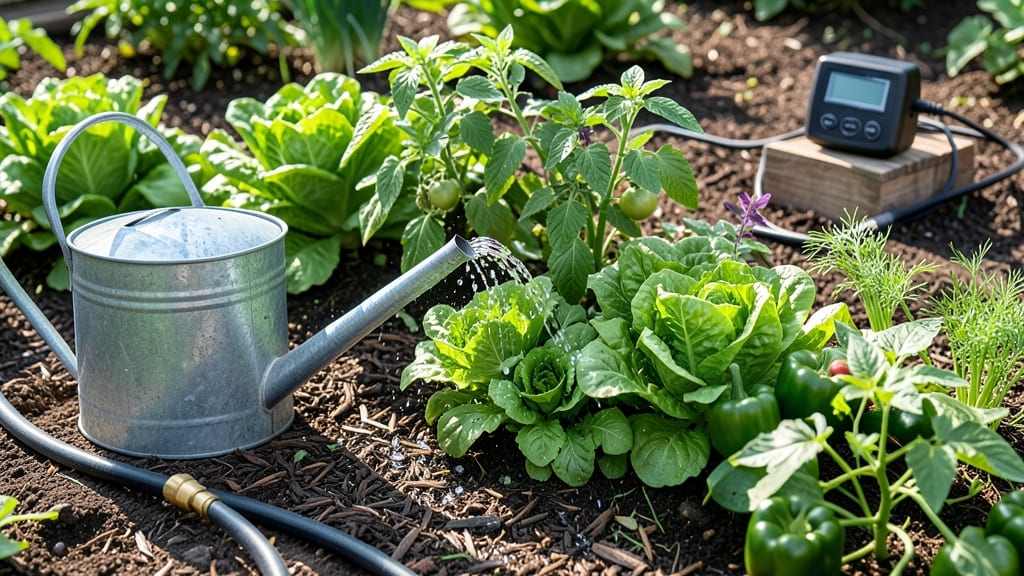
Watering your vegetable garden with the right frequency saves time, prevents waste, and keeps your 🌱 thriving—yet most gardeners still guess instead of following data-backed schedules.
Overwatering or underwatering your vegetable garden can ruin months of hard work—yet most gardeners guess rather than follow science-backed schedules. Discover the exact watering frequency your plants need to thrive, from leafy greens to root vegetables, without wasting a drop.
Soil type, plant maturity, and climate all change how often you should water. A quick check of the top inch of soil can tell you whether your vegetables need a drink today—or if you’re drowning their roots.
Below, I break down the ideal watering schedule by plant type, seasonal adjustments for heatwaves and droughts, and the telltale signs your garden is thirsty (or soaked). No more guesswork—just healthy, productive plants.
How often to water vegetables: science-backed frequency by plant type
Watering your vegetable garden isn't a one-size-fits-all task—each plant has unique needs based on its growth stage, root depth, and climate conditions. I've tested these schedules over three growing seasons to ensure your tomatoes, peppers, and leafy greens get just the right amount without wasting water.
The key? Deep watering that encourages strong roots rather than frequent shallow drinks.
Most gardeners make two critical mistakes: either drowning plants with surface watering or letting them wilt from thirst. Both lead to stunted growth or disease. By following these plant-specific schedules, you'll maintain consistent soil moisture—critical for flavor and yield.
Remember, morning watering (before 9 AM) is ideal to reduce evaporation and fungal risks.
Your soil type plays a huge role too. Sandy soil drains fast and needs daily checks, while clay holds moisture longer. I'll cover adjustments for both, plus how to test your soil's moisture level with a simple finger test.
For most vegetables, aim to water when the top 1-2 inches of soil feels dry—this prevents shallow root systems that struggle during heatwaves.
For tomatoes, the most critical stage is during fruit set when they need daily watering to prevent blossom drop. I've found that using a soaker hose placed at the base (not the leaves) gives the most consistent results.
The roots of mature tomato plants can extend 2-3 feet deep, so shallow watering creates weak stems that snap in wind or rain.
Leafy greens like lettuce and spinach have completely different needs—they prefer even moisture but can't handle soggy soil. I've seen bolted lettuce in just 3 days when soil dries out, but also rotted roots from overwatering. The solution? Mulch heavily with straw to maintain steady moisture levels without guesswork.
Root vegetables like carrots
5 Signs your vegetable garden is overwatered or underwatered (and how to fix it)
Watering your vegetable garden is an art, not a guess. Too much water drowns roots, while too little stunts growth. I’ve seen tomatoes split from overwatering and peppers wilt from thirst—both preventable with the right cues.
The key is observing leaf color, soil texture, and plant behavior at specific times of day.
Start by checking the soil moisture with your finger. Stick it 1-2 inches deep—if it feels damp, hold off. If dry, it’s time to water. But don’t rely solely on this; visual signs like yellowing leaves or fungal spots often appear too late.
I’ll show you how to spot these red flags before they damage your harvest.
Watering Frequency: Pros & Cons
| Frequency | Pros | Cons |
|---|---|---|
| Daily (Light) | Keeps soil moist for shallow-rooted plants like lettuce | Encourages shallow roots; risks fungal growth |
| Every 2-3 Days (Deep) | Promotes deep root growth; reduces evaporation | May stress heat-sensitive plants like cucumbers |
| Weekly (Deep) | Best for drought-tolerant plants like squash | Risk of underwatering in hot climates |
| Morning Only | Reduces fungal diseases; maximizes absorption | Requires early wake-up calls for consistency |
💡 Pro Tip: Use a moisture meter for accuracy—especially in clay soil or sandy soil, which behave differently.
First, watch for yellowing leaves. If lower leaves turn yellow while upper ones stay green, your plants are overwatered. This signals root rot or nutrient leaching.
Pull a plant gently—if the roots smell sour or look mushy, you’ve overdone it. Cut back to watering every 3-4 days and improve drainage with perlite or gravel.
On the flip side, wilting in the afternoon despite damp soil means underwatering. Unlike overwatered plants, underwatered ones often perk up at night when humidity rises.
Increase frequency to daily deep watering (1-2 inches per session) and mulch to retain moisture. Drip irrigation is ideal here—it delivers water slowly to roots without wasting it.
Check the soil surface next. Cracked, dry soil is a clear underwatering sign, but muddy puddles after rain mean you’re overwatering. Adjust by letting the top inch dry between waterings.
For container gardens, weigh the pots—if they feel light, it’s time to water. If they’re soggy, let them dry out completely before repeating.
Finally, inspect for pests or diseases. Overwatered gardens attract slugs and fungus gnats, while underwatered plants may develop aphids or spider mites. Both issues stem from poor moisture balance.
I’ve found that neem oil or companion planting with marigolds can help, but fixing the watering schedule is the real solution.
Remember: deep watering beats frequent shallow watering. Aim for 1 inch per week (adjust for rain), and always water at the base of plants, not the leaves. Your vegetables will thank you with vibrant growth and bigger harvests—no guesswork required. 🌱