
Planting
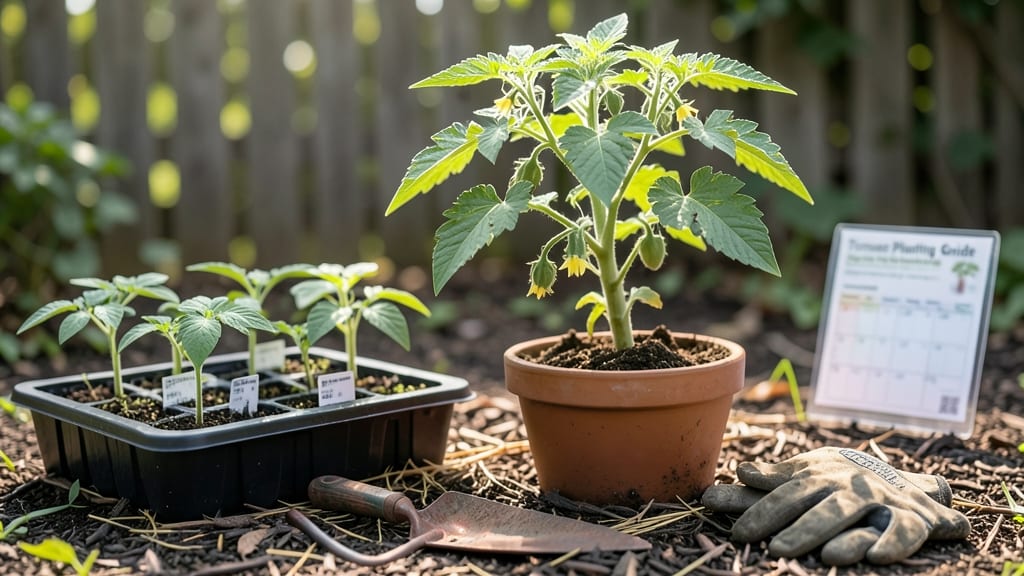
Planting a garden in Ohio means timing your seeds and seedlings to avoid frost, maximize growth, and enjoy a bountiful harvest—whether you’re in 6a or a warmer microclimate.
Ohio gardeners know timing is everything—plant too early and risk frost damage, too late and miss peak harvests. But with Ohio’s diverse microclimates and USDA zones (4b-6b), figuring out the perfect planting window can feel overwhelming.
This guide breaks down Ohio’s frost-date schedule by zone and plant type, so you can start seeds indoors, transplant seedlings, and harvest with confidence—no more guessing whether your 🌱 General Garden will thrive or wither.
From cool-season crops like spinach to heat-loving tomatoes, we’ll cover when to plant, how to adjust for late frosts, and even how to stretch your growing season with row covers and soil prep tips.
Ohio frost dates by USDA zone: when to start seeds indoors and outdoors
Ohio’s USDA zones 4b through 6b create distinct planting windows, with northern areas like Toledo (4b) facing earlier frosts than southern regions like Cincinnati (6b). Understanding these frost-date averages helps you avoid frost damage while maximizing your garden’s potential.
For example, my Zone 5b garden in Columbus typically sees its last spring frost around April 15, while my neighbor in Zone 6a near Dayton might wait until April 25.
Warm-season crops like tomatoes and peppers need soil temperatures above 60°F and should only go outdoors after your last frost date. Meanwhile, cool-season crops such as spinach and kale thrive in cooler temps and can handle light frosts, making them ideal for early spring or fall planting.
I always start cool-season seeds indoors 4-6 weeks before the last frost to give them a head start.
Here’s a quick reference for Ohio’s average frost dates by zone, including when to start seeds indoors and transplant outdoors for key crops:
| USDA Zone | Last Spring Frost | First Fall Frost | Indoor Seed Start (Warm Crops) | Outdoor Transplant (Warm Crops) | Cool-Season Direct Sow | |||||||||||||||||||||||||||||||||||||||||||||||||||||||
|---|---|---|---|---|---|---|---|---|---|---|---|---|---|---|---|---|---|---|---|---|---|---|---|---|---|---|---|---|---|---|---|---|---|---|---|---|---|---|---|---|---|---|---|---|---|---|---|---|---|---|---|---|---|---|---|---|---|---|---|---|
| 4b (Toledo, Youngstown) | April 5 | October 20 | March 15 | May 10 | March 20 or Sept 1 | |||||||||||||||||||||||||||||||||||||||||||||||||||||||
| 5a (Findlay, Mansfield) | April 10 | October 10 | March 20 | May 1 | March 25 or Sept 10 | |||||||||||||||||||||||||||||||||||||||||||||||||||||||
| 5b (Columbus, Dayton) | April 15 | October 15 | March 25 | May 5 | March 30 or Sept 15 | |||||||||||||||||||||||||||||||||||||||||||||||||||||||
| 6a (Cincinnati, Lexington) | April 20 | October 25 | April 1 | May 10 | April 5 or Sept 20 | |||||||||||||||||||||||||||||||||||||||||||||||||||||||
| 6b (Southern Ohio) | April 25 | November 1 | April 5 | May 15 |
Best planting schedule for Ohio’s top 10 vegetables: what to plant whenOhio’s diverse growing seasons make it possible to grow everything from crisp lettuce to juicy tomatoes, but timing is critical. Warm-season crops like tomatoes and corn need to wait until after the last frost, while cool-season greens like spinach thrive in early spring or fall. Let’s break down the ideal planting windows for Ohio’s most popular vegetables, including when to start seeds indoors and when to transplant seedlings. For direct-sown crops, such as beans and peas, you can sow seeds directly into the garden once soil temperatures reach at least 50°F. For transplants, like tomatoes and peppers, start seeds indoors 6-8 weeks before the last frost date. Ohio’s USDA zones 4b-6b mean frost dates vary slightly—northern Ohio (zone 4b) has later last frosts than southern Ohio (zone 6b), so adjust accordingly.
For succession planting, focus on crops like lettuce and spinach in early spring and late summer. These cool-season crops can handle light frosts, so you can extend harvests well into fall. Meanwhile, warm-season crops like tomatoes and peppers benefit from staggered plantings every 2-3 weeks to ensure a continuous harvest. Ohio’s fall planting window is another opportunity for gardeners. Start cool-season crops like kale and carrots 8-10 weeks |