
Planting
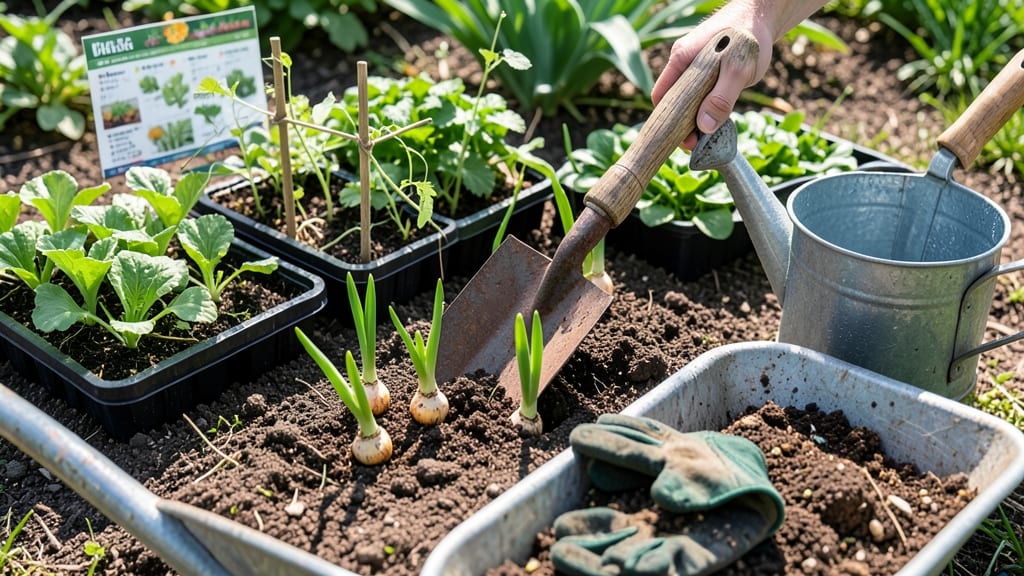
Planting a garden in Ohio depends on knowing the exact timing for your region, where last frost dates can shift two weeks or more from north to south.
Ohio’s unpredictable frost dates and varied planting zones can turn gardening success into a guessing game—unless you know the exact timing for your region. Get the right start to maximize your harvest and avoid costly mistakes.
If you’ve ever rushed seedlings into the ground only to watch them wilt under a late frost, you know how critical the timing is. Ohio’s USDA zones 5a to 6b mean what works in Cincinnati may fail in Toledo or Columbus.
This guide breaks down the best planting windows for your crops, from cool-season greens to heat-loving tomatoes, plus pro tips to adjust for Ohio’s tricky weather patterns.
Ohio planting zones and frost dates by region (2024 guide)
Ohio spans USDA zones 5a through 6b, creating distinct planting windows that can vary by 100+ miles. In the northern Toledo and Cleveland areas, gardeners face colder microclimates with later last frosts, while southern Cincinnati and Columbus enjoy earlier spring planting.
Understanding these differences ensures you plant tomatoes, peppers, and greens at the perfect time—avoiding frost damage or stunted growth.
Your last spring frost date typically falls between April 15 (south) and May 10 (north), but microclimates near Lake Erie can push this back by 2-3 weeks. Meanwhile, first fall frosts arrive as early as October 1 (north) to October 20 (south).
These dates determine when to start warm-season crops indoors and when to transplant seedlings outdoors.
Here’s how Ohio’s regions break down—use this as your planting timeline guide for 2024:
If you’re in zone 5a (northwest Ohio), wait until May 15 to plant tomatoes and peppers outdoors—earlier plantings risk frost damage. Meanwhile, zone 6b gardeners (south) can start warm-season crops as early as April 10 with row covers for protection.
For cool-season crops like lettuce, spinach, and kale, northern Ohio gardeners should sow seeds indoors by March 1 and transplant by April 1. Southern Ohio gardeners can start outdoor sowing as early as February 28, giving these fast-growing greens a head start before summer heat arrives.
Microclimates near Lake Erie create unique challenges—water moderates temperatures, delaying last spring frosts by 1-2 weeks but also bringing earlier fall frosts. Use frost cloth or black plastic mulch to extend your warm-season harvest by 2-3 weeks in these areas.
Pro tip: Monitor local weather forecasts in late April—unpredictable late frosts can occur even after your average last frost date. I’ve seen 50°F nights in early May damage young tomato seedlings, so always have row covers ready for sensitive crops.
For perennials and shrubs, plant in early spring (April) or fall (October) when soil is workable but not frozen. Bulbs like tulips should go in the ground by November 1 in northern Ohio to establish roots before winter.
Adjust your planting schedule based on soil temperature, not just air temperature. Use a soil thermometer—warm-season crops like peppers need soil at 60°F+ to thrive, while cool-season crops tolerate 40-50°F soils.
Start seedlings indoors 6-8 weeks before your last frost date. For example, northern Ohio gardeners should begin tomato seeds indoors by March 15, while southern Ohio gardeners can wait until March 1. This
Best month-by-month planting schedule for Ohio gardens
Ohio’s diverse microclimates and shifting frost dates demand a flexible planting strategy. Whether you're growing cool-season greens or heat-loving tomatoes, timing is everything.
This schedule aligns with Ohio’s average last frost dates (mid-April to early May) and first frost dates (mid-October to early November), but always check your local forecast.
For northern Ohio (USDA zones 5a-5b), start earlier for cold-sensitive crops, while southern Ohio (zones 6a-6b) can push limits slightly. Use row covers or cold frames to extend seasons in colder areas. Let’s break it down by month and crop type to keep your garden thriving year-round.
Sow spinach, kale, and peas directly outdoors. Start broccoli and cabbage indoors 6-8 weeks before last frost. Use row covers for early plantings.
Plant tomatoes, peppers, and eggplants after last frost (use black plastic mulch to warm soil). Direct-sow beans, corn, and cucumbers. Transplant herbs like basil and cilantro.
Sow fall crops like carrots and radishes for late harvests. Succession plant lettuce every 2 weeks. Mulch strawberries and perennials to retain moisture.
Plant garlic and onion sets for next year. Direct-sow spinach, turnips, and beets. Transplant broccoli and cauliflower 8 weeks before first frost.
Plant asparagus crowns and rhubarb. Sow clover or vetch as cover crops. Mulch perennials with straw to protect roots.
For warm-season crops like tomatoes and peppers, wait until soil reaches 60°F+—use a soil thermometer to avoid stunted growth. In northern Ohio, consider starting these indoors in March for early transplants.
Extend your harvest by using cold frames or low tunnels for late-season greens. In southern Ohio, you can push fall planting later—even kale and collards sweeten after frost. Always monitor moisture levels during Ohio’s hot, dry summers.
Pro tip: Keep a planting journal to track your local frost dates and adjust future schedules. With this schedule, you’ll maximize yields and minimize waste—no more guessing when to plant! 🌱