
Planting
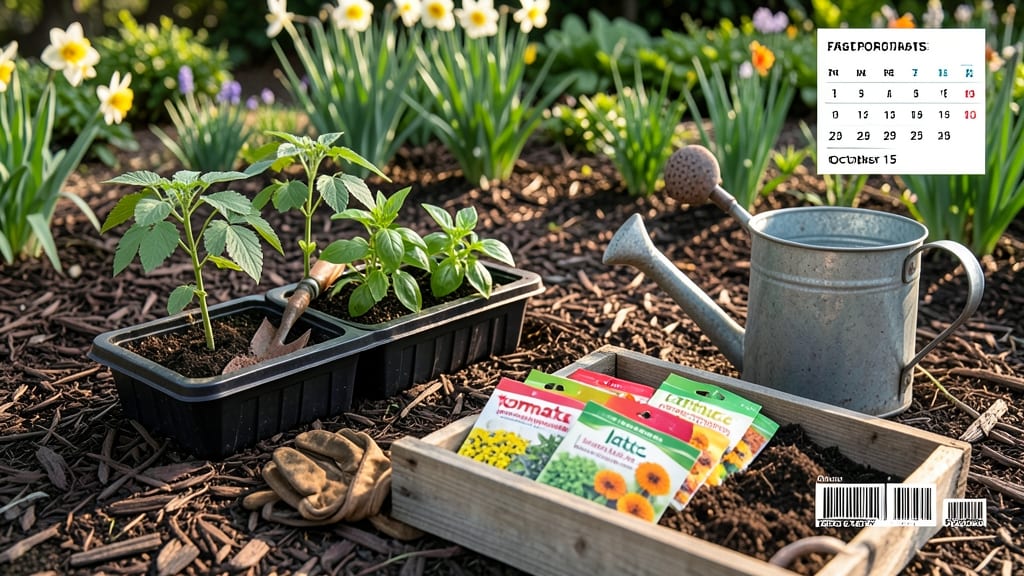
Planting your garden in Ohio at the right time means the difference between a bountiful harvest and a season of disappointment.
Ohio’s unpredictable frost dates can turn a thriving garden into a disappointing one—unless you know exactly when to plant for maximum success.
Timing isn’t just about avoiding frost; it’s about matching your plants to Ohio’s three distinct regions—northern, southern, and central—where last frost dates can vary by three weeks or more.
In this guide, I’ll break down the month-by-month planting calendar, share region-specific tips, and reveal how to stretch your growing season for peak yields—no matter where you garden in the Buckeye State.
Ohio’s frost dates by region: when to plant cool-season vs warm-season crops
Ohio’s diverse climate means frost dates vary dramatically from north to south. In the northern tier (like Ashtabula or Sandusky), gardeners face earlier frosts—often May 15 for last spring frost and September 20 for first fall frost.
Meanwhile, southern Ohio (around Cincinnati or Chillicothe) enjoys 2-3 weeks longer growing seasons, with last frosts around April 20 and first frosts near October 10. Central Ohio falls somewhere in between, with May 1 and October 5 as key dates.
These variations directly impact what you can grow. Cool-season crops like lettuce, spinach, and peas thrive in spring and fall, while warm-season crops such as tomatoes, peppers, and beans need consistent warmth after the last frost.
Planting too early or late can lead to bolting, poor germination, or frost damage—so knowing your region’s frost dates is non-negotiable.
Here’s how to use frost dates to plan your garden: Start cool-season crops 4-6 weeks before the last frost, and transplant warm-season seedlings 2 weeks after.
For example, in northwest Ohio, you’d plant lettuce in March for early spring harvests, while southern Ohio gardeners can sow tomatoes as early as late April. The difference is critical for success.
🌱
Use this table as your planting timeline guide. For example, if you’re in Columbus, you can start cool-season crops like kale or carrots in March and warm-season crops like cucumbers or eggplants after May 1.
In Toledo, delay warm-season planting until May 20 to avoid frost risk. Southern Ohio gardeners have the luxury of earlier starts, but even they should wait until soil warms to 50°F for warm-season crops.
Pro tip: Monitor local forecasts in late April and early May—unpredictable late frosts can still occur. If frost is forecasted, cover tender plants with row covers or lightweight blankets.
For warm-season crops, wait until nighttime temperatures stay above 55°F consistently. This rule applies to tomatoes, peppers, and basil, which won’t thrive in cool soil.
Another key strategy is succession planting. In northern Ohio, sow lettuce or radishes every 2 weeks from March to August to ensure a continuous harvest. For warm-season crops, plant beans or zucchini in two batches—one in early May and another in late June—to stretch your harvest window.
This approach maximizes your garden’s potential, even with Ohio’s shorter growing seasons.
Don’t forget about fall planting. Cool-season crops like spinach, broccoli, and Brussels sprouts can be sown as early as August in southern Ohio or September in northern regions. These crops actually sweeten with frost, making them perfect for late-season harvests.
Plan to harvest before the first hard frost, which can damage tender leaves but won’t kill established plants.
For container gardening, adjust timing slightly—containers warm up faster than in-ground soil, so you can plant warm-season crops 1–2 weeks earlier. However, containers also dry out faster, so water consistently and use mulch to retain moisture. This is especially important in urban areas where microclimates can vary dramatically.
🌿
Finally, keep a gardening journal to track your local frost dates and planting success. Over time, you’ll notice patterns that differ from the averages—perhaps your yard
Best vegetables to plant in Ohio by month: a month-by-month guide
Ohio’s gardening season is short but sweet—knowing when to plant each vegetable ensures you maximize your harvest before the first frost. Unlike warmer climates, Ohio’s unpredictable frost dates (typically April 15–May 15 for last frost) demand precise timing.
Start with cool-season crops in early spring, transition to warm-season plants after frost, and squeeze in fall harvests before winter sets in.
For Ohio gardeners, the key is balancing indoor starts (for heat-lovers like tomatoes) with direct sowing (for fast growers like radishes). My rule of thumb? Calculate 2–3 weeks before your average last frost for indoor seedlings, and wait until soil warms (50°F+) for outdoor planting.
Let’s break it down month by month—because every week counts!
| Month | Sow Indoors | Direct Sow Outdoors | Harvest | Notes |
|---|---|---|---|---|
| March | Onions, Broccoli, Cabbage | Peas, Spinach, Lettuce | None | Start seeds 6–8 weeks before last frost |
| April | Tomatoes, Peppers, Eggplant | Carrots, Beets, Radishes | Peas, Spinach, Lettuce | Wait until soil reaches 50°F+ |
| May | None (transplant seedlings) | Corn, Beans, Cucumbers | Radishes, Lettuce, Peas | Harden off seedlings before transplanting |
| June | None | Sweet Potatoes, Okra | Early Tomatoes, Peppers, Beans | Mulch to retain moisture |
| September | None | Spinach, Kale, Radishes | Tomatoes, Peppers, Green Beans | Plant for fall harvest before first frost |
| October | None | Garlic, Onions (for next year) | Kale, Carrots, Beets | Cover crops with row fabric for protection |
In March and April, focus on cool-season vegetables like peas, spinach, and lettuce—these thrive in Ohio’s 50–60°F soil. Direct-sow hardy crops outdoors as soon as the ground isn’t frozen, but save tomatoes and peppers for indoor starts.
Pro tip: Use a seedling heat mat if your home is chilly—slow germination is the enemy of early planting!
By May and June, Ohio’s soil finally warms up, making it prime time for warm-season crops. Transplant your tomato and pepper seedlings after the last frost (usually May 10–20), and direct-sow corn, beans, and cucumbers.
These plants need consistent warmth—if nights dip below 55°F, use row covers to protect young plants.
Don’t forget fall planting! September and October are perfect for cool-season crops like kale, spinach, and radishes. These plants actually sweeten with frost, so you can harvest well into winter.
For a late harvest, try succession planting every 2 weeks—it’s how I’ve extended my garden’s life by 4–6 weeks in past years!
Ohio’s gardening season is short, but with this month-by-month guide, you’ll avoid the heartbreak of lost crops. Stick to the schedule, and you’ll enjoy fresh veggies from spring to fall—no matter where you are in the state. Happy planting! 🌱