
Planting
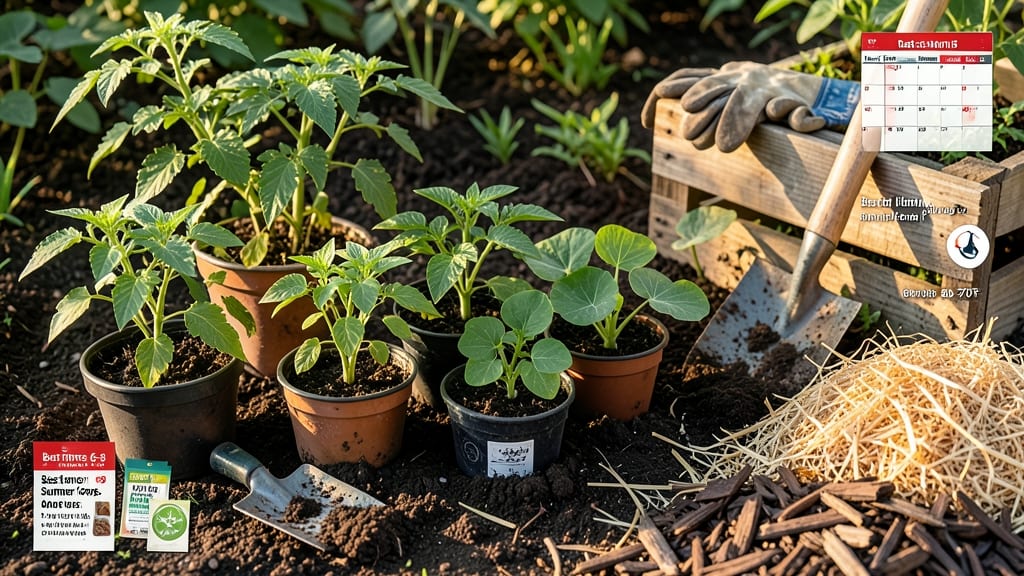
To plant a garden in Arkansas, aim for late February through early April in spring and late July to early September in fall—timing that aligns with your USDA 7a-8a zone and avoids frost risks.
Arkansas gardeners know timing is everything—plant too early and risk frost damage, too late and miss peak harvests. But with the state’s diverse climate zones, knowing the exact frost dates for your region can mean the difference between a thriving garden and a sad, wilted disappointment.
Whether you’re growing tomatoes, lettuce, or perennials, local microclimates play a huge role. The Ozarks might be ready weeks before the Delta, and soil conditions can shift your planting window by 10 days or more.
I’ll break down the best times for cool- and warm-season crops, plus how to adjust for Arkansas’ unique growing challenges.
You’ll also learn how to use row covers, choose fast-maturing varieties, and spot common mistakes—like planting too close to black walnut trees—that can ruin your harvest before it even starts.
Arkansas frost dates by region: when to plant cool-weather vs warm-season crops
Arkansas spans USDA hardiness zones 6b through 8a, creating dramatic differences in frost dates across the state. In the Ozark Mountains (zone 6b), gardeners face a longer growing season with later last frosts, while the Delta region (zone 8a) enjoys milder winters and earlier planting.
These variations mean your tomato seeds might go in the ground in March in southern Arkansas but wait until April in the north.
To simplify, I’ve broken down the average last spring frost dates by region—plus the first fall frost dates—so you can plan your cool-season crops like lettuce and warm-season favorites such as squash with confidence.
The key? Know your microclimate—even neighboring counties can have 1-2 week differences in frost timing.
Pro Tip: Use the Arkansas Cooperative Extension Service’s frost maps (available online) for your exact location, as urban areas like Little Rock often warm up faster than rural zones. For most gardeners, the safe planting window starts 2 weeks after the average last frost date to account for unpredictable cold snaps.
| Region | USDA Zone | Avg. Last Spring Frost | Safe Planting Window (Spring) | Avg. First Fall Frost | Safe Planting Window (Fall) |
|---|---|---|---|---|---|
| North Arkansas (Ozarks) | 6b | April 15 | May 1 (warm-season crops) | November 1 | August 15 (cool-season crops) |
| Central Arkansas (Little Rock) | 7a | March 30 | April 15 (warm-season crops) | October 31 | July 30 (cool-season crops) |
| South Arkansas (Delta) | 8a | March 15 | March 30 (warm-season crops) | December 1 | September 1 (cool-season crops) |
For cool-season crops like spinach, kale, and peas, aim to plant 4-6 weeks before your last frost date. These hardy vegetables thrive in 50-65°F soil temps and can even survive light frosts.
In the Ozarks (zone 6b), that means early March plantings, while Delta gardeners (zone 8a) can start as early as February.
Warm-season crops—think tomatoes, peppers, and squash—need soil temps above 60°F and consistent warmth.
In North Arkansas, wait until May 1 to plant tomato seedlings, while Central Arkansas gardeners can start April 15. Southern Arkansas is the lucky region, with March 30 being the sweet spot for warm-season staples.
Fall planting follows the reverse logic: cool-season crops like broccoli and carrots should go in the ground 8-10 weeks before your first frost.
That means August 15 for the Ozarks and July 30 for Central Arkansas. Southern Arkansas has until September 1 to plant fall greens—a longer window to enjoy fresh harvests.
Don’t forget transplanting dates for seedlings! If you’re starting tomato plants indoors, begin seeds 6-8 weeks before your last frost.
For North Arkansas, that’s late February, while Delta gardeners can start early February. Peppers, which need even more warmth, should go in 2-3 weeks after your last frost date.
One critical exception: Sweet potatoes and squash can handle warmer soil temps and can be planted 2 weeks before your last frost if you use black plastic mulch to warm the soil faster.
This trick works especially well in Central and Southern Arkansas, where April 1 plantings can yield summer harvests.
To stretch your season, consider row covers or cold frames for early spring or late fall plantings. These tools can push your last frost date back by 2-3 weeks or delay the first frost
How to adjust planting times for Arkansas’ microclimates and soil conditions
Arkansas’ varied climate—from the cooler Ozark Mountains to the humid Delta—means planting times can shift dramatically even within the state. Microclimates like urban heat islands or sheltered valleys can add 1-2 weeks to your growing season.
Meanwhile, Arkansas’ heavy clay soil drains poorly and compacts easily, forcing adjustments to planting schedules and soil prep.
To maximize your garden’s potential, I’ve found three key strategies work best: extending seasons with protective covers, amending clay soil months in advance, and selecting fast-maturing varieties for shorter windows. Let’s break down how to apply these tactics to your specific region.
- 1 Use row covers to plant cool-season crops like lettuce and spinach 3 weeks earlier than your last frost date. Remove covers when plants flower to allow pollination.
- 2 Cold frames extend fall harvests by 4-6 weeks. Place them over warm-season crops like kale or carrots after your first frost to keep soil temps above 50°F.
- 3 Amend clay soil 4-6 weeks before planting with compost and sand (50/50 mix). Test your soil’s pH—Arkansas’ clay often tests acidic (5.0-6.0)—and add lime if needed for veggies like tomatoes.
- 4 Choose fast-maturing varieties for shorter seasons. For example, ‘Early Girl’ tomatoes (55 days) outperform ‘Beefsteak’ (80+ days) in North Arkansas’ 180-day growing season.
- 5 Monitor soil temps with a soil thermometer. Most seeds need soil temps above 60°F to germinate—wait for 70°F+ for warm-season crops like peppers.
For heavy clay soils, I recommend prepping your beds with a soil solarizer in late winter. Lay clear plastic over moist soil for 4-6 weeks to kill weeds and loosen the clay. Combine this with gypsum (10 lbs per 100 sq ft) to improve drainage without altering pH.
In southern Arkansas’ hotter zones (8a), start warm-season crops like okra and sweet potatoes in mid-March under row covers. Once temps exceed 85°F, switch to shade cloth to prevent bolting in lettuce or flowering in basil.
Finally, create a personalized planting calendar by tracking your local frost dates for 3 years. Note which fast varieties thrive in your microclimate—my ‘Black Seeded Simpson’ lettuce bolts in July’s heat, but ‘Romaine’ survives until September.