
Picking
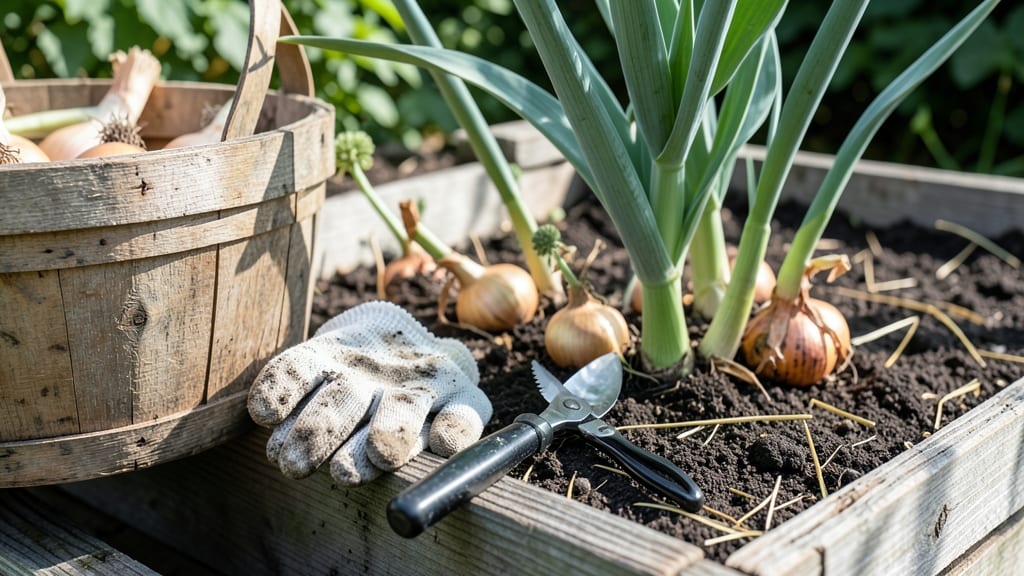
Pick onions from your garden when the tops yellow and fall over 🧅 — that’s the moment between peak flavor and spoilage, and missing it means losing your entire harvest.
I’ve watched dozens of onion crops go from thriving to flopping in a week, and the difference between a perfect bulb and a bitter, shriveled mess comes down to timing.
Harvest too early, and you’re left with tiny, pungent scraps. Wait too long, and the bulbs split or rot in the ground.
Below, I’ll break down the three visual cues that tell you it’s time to pull them up, plus how to adjust for your climate zone and avoid the most common mistakes that ruin onions before they even make it to the kitchen.
You’ll learn how to spot the ideal bulb size, recognize the right leaf color, and even time your harvest for the best weather — so you can go from garden to table with onions that store for months and taste like they were just pulled from the dirt.
3 Visual signs your onions are ready for harvest (don’t miss these!)
When you've spent weeks nurturing your onion plants, the last thing you want is to harvest too early or too late. Timing is everything—pick too soon, and you'll get small, pungent bulbs with poor storage life.
Wait too long, and your onions may split, rot, or even send up flowers instead of forming proper bulbs. The key lies in watching for these three visual cues that tell you your onions are ready to come out of the ground.
First, let's clarify the difference between green onions (scallions) and storage onions. Green onions are harvested young, when the bulbs are tiny and the tops are still green and crisp.
But for storage onions, you're aiming for fully mature bulbs that can last months in a cool, dry place. Today, we're focusing on those storage varieties—the ones that reward your patience with long-term flavor and convenience.
Here's what to watch for in your garden:
-
1. Yellowing & Falling Tops
The most obvious sign is when 50-70% of the tops turn yellow and begin to flop over. This indicates the bulb has stopped growing upward and is maturing below ground. -
2. Bulb Size & Firmness
Gently dig around the base of one plant to check bulb size. For storage onions, aim for 2-3 inch diameter bulbs that feel firm and round when squeezed. -
3. Dry, Papery Skin
The outer layers should feel dry and papery (like onion skin) rather than tight and green. This protects the bulb during storage and indicates full maturity.
Let's break down each of these signs in more detail so you can confidently decide when to harvest your onions. The first visual cue is often the easiest to spot: leaf color changes.
When your onion plants start showing signs of yellowing leaves, especially in the lower half, it's a clear signal that the bulb is maturing. Pay attention to how many leaves are turning yellow—if it's just a few, wait a week or two.
But when half or more of the tops yellow and begin to flop, it's time to act.
For yellow onion varieties, the tops will turn a golden yellow, while red or purple onions may develop deeper hues. The key is the overall wilting and flopping of the foliage, which happens as the plant redirects its energy from leaf growth to bulb development.
This process is nature's way of telling you, "I'm done growing up—check out what's happening below!"
The second visual sign to watch for is bulb size and neck slimming. The neck of the onion (the stem connecting the bulb to the leaves) will begin to shrink noticeably, often to about half an inch thick.
This is your cue that the bulb has reached its ideal size. To check without damaging the plant, gently grasp the base of the stem and wiggle the onion slightly—if it comes up easily with minimal resistance, it's ready.
If the bulb feels small or still attached tightly, give it another week or two.
Here's where many gardeners make a mistake: they assume all onions are ready at the same time. In reality, onion varieties mature at different rates, and even within the same patch, some bulbs will be ready before others. That's why it's smart to harvest onions in stages.
Start with the first plants that show these signs, then check the rest every few days. This staggered approach ensures you get the best flavor from each onion and avoids overcrowding in your storage area.
Finally, the skin texture is your third and most reliable indicator. When onions are ready, their outer layers become dry and papery, almost like thin parchment.
You can test this by gently peeling back one outer layer—if it comes off easily and feels dry to the touch, your onions are harvest-ready. This dry skin is crucial for long-term storage, as it protects the bulb from moisture loss and rot.
If the skin is still tight and green, your onions need more time in the ground.
One common question I get is, "What if my onions start to flower?" If you see flower stalks (scape) emerging, it's a sign your onions have gone too long in the ground. While you can still harvest these onions, they'll be smaller and may have a more bitter flavor.
To prevent bolting next season, choose day-neutral onion varieties that are less sensitive to daylight changes, or use shade cloth if you're in a very hot climate.
Remember, the goal is to harvest onions when they're at their peak maturity but before they overmature. Overripe onions lose flavor, become soft, and may split when stored.
Once you've confirmed all three visual signs—yellowing tops, proper bulb size, and dry skin—it's time to grab your gardening fork and get harvesting! Store your onions in a cool, dry, well-ventilated place for the best results.
Onion harvesting mistakes that ruin your crop (and how to avoid them)
Even the most patient gardeners can fall victim to common onion harvesting mistakes that turn a promising crop into a storage disaster. Leaving onions in the ground too long or mishandling them after harvest can mean the difference between months of fresh flavor and sad, shriveled bulbs.
I’ve learned the hard way that timing, technique, and post-harvest care all play critical roles in preserving your hard-earned harvest.
One of the biggest mistakes is ignoring the visual cues that signal it’s time to harvest. Many gardeners wait until the tops are completely brown, but by then, the bulbs may have already split or become soft.
Another frequent error is digging onions when the soil is wet, which can damage the delicate skin and invite rot. Even the way you store them afterward—like leaving them in damp conditions—can shorten their shelf life dramatically.
Onions are ready to harvest when 50-60% of the tops yellow and fall over, but the bulbs should still feel firm and dry to the touch. Waiting until the tops are completely brown risks split bulbs or bolting, while harvesting too early means small, underdeveloped onions.
For storage onions, aim for 1-2 inch bulbs with papery skin—this ensures they’ll keep for months.
Pro Tip: If you’re unsure, dig up one test onion—if the neck is ½ inch thick and the skin is dry, it’s time to harvest the whole patch!
Another costly mistake is using the wrong harvesting tools. A sharp garden fork or spade is ideal for lifting onions without bruising them, but many gardeners reach for a trowel, which can crush the bulbs.
Always work gently, especially with large varieties like Vidalia onions, which bruise more easily. After lifting, shake off excess soil immediately—don’t let onions sit in damp earth, as this encourages rot.
Post-harvest, the biggest blunder is storing onions incorrectly. Many people bundle them with rubber bands or place them in plastic bags, trapping moisture and speeding up spoilage. Instead, cure onions in a dry, dark, well-ventilated space for 2-3 weeks before storing.
Use a mesh bag or hang them in a cool, dry spot (like a pantry) where they can breathe. Humidity is the enemy—aim for 60-70% humidity to prevent mold.
Don’t forget about regional climate considerations. In hot, humid climates like the Southeast, onions may need to be harvested earlier to avoid disease, while cooler regions can afford to wait longer.
If you’re in Zone 5 or colder, consider harvesting before the first frost, even if the tops aren’t fully yellow. A light frost can turn sweet onions bitter and damage storage quality.
By avoiding these common pitfalls—timing harvests correctly, using the right tools, and storing onions properly—you’ll extend their shelf life from weeks to months.
Next time you’re in your garden, take a closer look at those tops and bulbs: they’re telling you exactly when it’s time to harvest! 🧅