
Picking
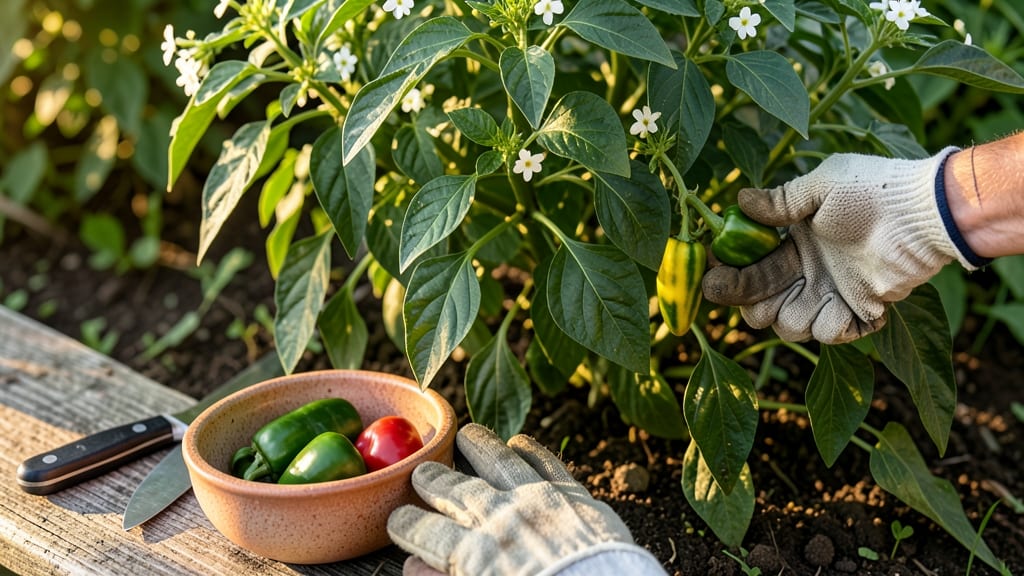
You should pick garden salsa peppers when they’re firm, glossy, and deep in color 🌶️ — because waiting too long dulls the heat and softens the texture.
Harvesting your garden salsa peppers at the wrong time can mean the difference between fiery, flavorful salsa and bland, watery disappointment—so knowing the exact color cues is crucial for peak heat and taste.
Think of it like a traffic light: green peppers are safe but mild, while red, orange, or yellow signals full maturity and maximum spice. But here’s the trick—some varieties (like jalapeños) ripen faster in hot climates, while cooler zones need extra time.
Below, I’ll break down the visual ripeness signs, how to test for heat, and when to adjust for your climate—so you never miss the perfect harvest window.
Color-coded ripeness guide: when to pick salsa peppers for optimal heat
Harvesting your garden salsa peppers at the wrong time can mean the difference between fiery, flavorful salsa and bland, watery disappointment. The color transformation of peppers isn't just about aesthetics—it directly impacts heat levels and flavor intensity.
Green peppers, for example, are milder and crunchier, while their red, orange, or yellow counterparts pack a punch with increased capsaicin, the compound responsible for that signature kick.
Understanding these color cues helps you time your harvest perfectly for salsa-making. Whether you're growing jalapeños, serranos, or habaneros, each variety follows a similar ripening pattern—but with unique heat peaks.
For instance, a deep red jalapeño can be 3-4 times hotter than its green counterpart. Let’s break down the color-to-heat timeline so you never miss peak ripeness again.
⚠️ Pro Tip: Always harvest in the morning when peppers are cool and firm. This ensures maximum flavor retention and prevents bruising during handling.
Green peppers are the least spicy stage, making them ideal for pickling or dishes where you want mild heat. Their crunchy texture and grassy notes disappear as they ripen, so if you love that fresh bite, harvest them early.
But if you're craving that fiery kick, wait for the color shift to yellow, orange, or red—where heat levels skyrocket.
Yellow peppers are a sweet-spicy hybrid, offering a fruity depth perfect for roasted salsas or raw toppings. They’re also slightly larger than green peppers, often reaching 3–4 inches in length.
Look for a uniform golden hue—any green streaks mean they’re not fully ripe yet. The heat increases noticeably at this stage, so taste-test if you’re unsure!
Orange peppers signal a transition to peak heat, with flavors that bridge sweetness and spice. This is my personal favorite for fresh salsa because the balanced profile lets the pepper’s natural sweetness shine while delivering a meaningful burn.
Harvest when the color is deep and consistent—no patchy areas. For jalapeños, this stage often appears around 80 days after transplanting.
Red peppers are the holy grail for heat lovers, packing the most capsaicin and intense flavor. They develop a glossy sheen and slightly leathery skin, which is your cue to harvest.
Red serranos or habaneros can hit 50,000+ SHU, so wear gloves if you’re sensitive! These peppers are best for hot salsas, dried flakes, or spice blends where you want maximum punch.
If you’re growing multiple varieties, prioritize harvesting based on your salsa recipe needs. Need mild heat? Pick green. Craving complexity? Go for yellow or orange. Want fire? Save red for last. And remember: overripe peppers
How to test pepper ripeness beyond color: texture, size, and stem checks
Color isn’t the only indicator that your garden salsa peppers are ready for harvest. While vibrant hues signal ripeness, texture, size, and stem checks are equally critical for peak flavor and heat.
These subtle cues help you avoid harvesting too early (mild, watery peppers) or too late (overripe, mealy peppers). Let’s explore how to test ripeness like a pro.
Start by examining the pepper’s firmness. A perfectly ripe salsa pepper should feel firm but slightly yielding—like a ripe avocado. Press gently with your thumb: if it leaves a slight indent that bounces back, it’s ready.
Overripe peppers will feel soft or wrinkled, while underripe ones stay rock-hard. This texture test works for jalapeños, serranos, and habaneros alike.
Next, check the pepper’s size. Most salsa peppers reach harvest readiness between 2 to 4 inches long, depending on the variety. For example, jalapeños typically hit 2-3 inches, while serranos grow slightly smaller (1-2 inches).
If your peppers are still tiny, wait a few more days—they’ll pack more heat and flavor once fully mature.
⚠️ callout-warning
Leaving peppers on the vine past their prime causes heat levels to drop and flavors to turn bitter. Check stems daily in late summer—dry, papery stems mean it’s time to harvest. If the stem is still green or moist, wait 2-3 more days for full ripeness.
Pro Tip: Harvest in the morning when peppers are cool and hydrated for the best texture and flavor.
The stem check is your final test. Gently twist the pepper at its base—if the stem snaps cleanly without tearing, it’s ready. A stubborn stem or one that pulls away with plant tissue still attached means it’s not ripe yet.
This method works especially well for habaneros, which can be tricky to judge by color alone.
Don’t overlook the skin’s glossiness. Ripe salsa peppers develop a slight sheen due to natural oils that enhance flavor. Dull or matte skin often signals underripeness. Pair this with a size check—peppers that are plump and symmetrical are far more flavorful than lopsided or shrunken ones.
For maximum heat and sweetness, combine all these tests. A pepper that’s firm, glossy, 2-4 inches long, and has a dry stem is guaranteed to deliver the fiery punch your salsa deserves. Now grab those pruners and enjoy the harvest!