
Picking
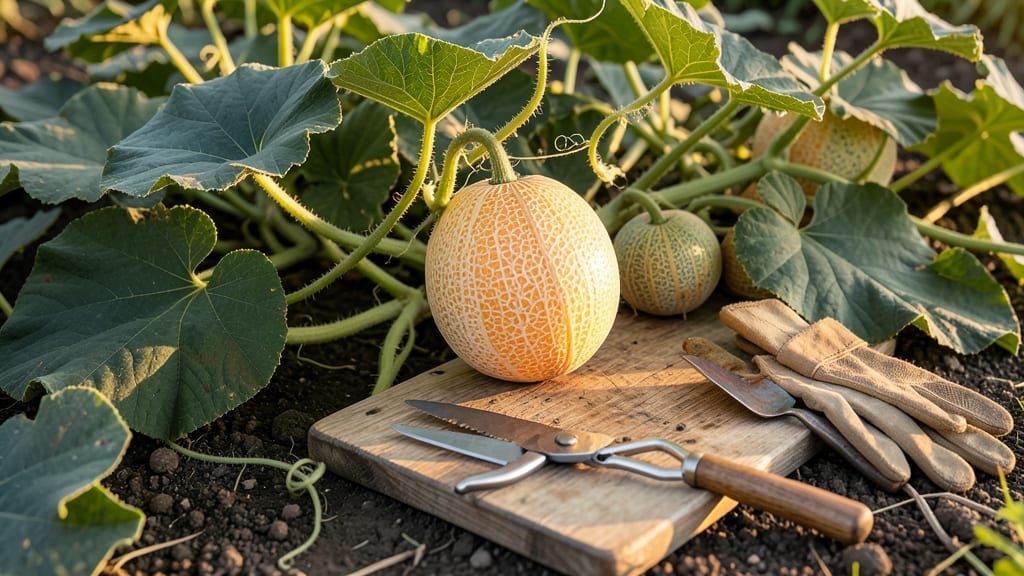
Harvesting cantaloupe from the garden at the right time means the difference between a juicy, sweet reward and a mealy, underwhelming bite—here’s how to tell when your 🍈 is ready to pick.
Picture this: you’ve waited weeks for those vines to sprawl, the flowers faded, and now you’re staring at a melon that looks ripe. But is it? One wrong move and you’re left with fruit that’s either rock-hard or overripe mush.
The secret lies in 5 key signs—from color shifts to scent clues—that guarantee peak flavor.
Most gardeners wait 75 days after planting, but that’s just a starting point. The real test? A creamy rind with a net pattern, a stem that slips with gentle pressure, and a fragrance so sweet it stops you in your tracks.
Skip these cues, and you’ll miss the window by days—or even hours.
Below, I’ll walk you through every non-destructive way to check ripeness, plus how to handle storage once you’ve got the perfect melon in hand. No more guesswork, just foolproof results.


5 Visual and physical signs your cantaloupe is ready to harvest
There's nothing worse than biting into a cantaloupe that's either underripe and bland or overripe and mushy. Knowing exactly when to harvest your cantaloupe ensures you get that perfect balance of sweetness and texture.
The key lies in combining visual cues with physical tests—each one acting like a checkpoint on your fruit's journey to peak ripeness.
Cantaloupes don't ripen well after picking, so timing is everything. Most varieties need 75-90 days from planting to harvest, but these five telltale signs will help you determine the exact moment to harvest, regardless of the variety. Let's break down what to look for in your garden.
-
1. Rind Color Transformation
Look for a shift from dull green to creamy yellow with a distinct net pattern. -
2. Stem Separation Test
Gently twist the fruit—it should slip free from the vine when ripe. -
3. Blossom End Texture
Press near the blossom end—ripe cantaloupes yield slightly to thumb pressure. -
4. Sweet Aroma Test
Sniff the stem end—ripe cantaloupes emit a strong, sweet fragrance. -
5. Weight and Size
A ripe cantaloupe should feel heavy for its size, typically 3-5 lbs.
The first sign to watch is the rind color change. Immature cantaloupes often have a dull green or white appearance. As they mature, the rind develops a creamy yellow hue with a distinctive net-like pattern.
This color shift is your first clue that the fruit is nearing ripeness, but it's not enough on its own.
Next, focus on the stem separation. When your cantaloupe is ready, it should freely detach from the vine with a gentle twist. This happens because the fruit's natural sugars break down the stem's connection. If the stem resists or tears, your cantaloupe needs more time on the vine.
Don't overlook the blossom end texture. This is the part where the flower was attached. A ripe cantaloupe will have a slight give when you press it with your thumb.
If it feels firm, it's not ready yet. This test is crucial because it tells you about the fruit's internal ripeness without cutting it open.
The sweet aroma test is one of my favorite tricks. Simply sniff the stem end of the cantaloupe. A ripe fruit will release a powerful, sweet fragrance that's unmistakable. If it smells mild or unpleasant, it's not ready. This scent comes from the fruit's natural oils and sugars developing fully.
Finally, consider the weight and size of your cantaloupe. A properly ripened fruit should feel heavy for its size, typically weighing between 3 and 5 pounds. This weight comes from the fruit's high water and sugar content. If your cantaloupe is small and light, it's likely underripe.
Remember, cantaloupes won't ripen further after picking, so waiting until all these signs appear is crucial. The combination of these visual and physical indicators ensures you harvest at the perfect moment for maximum sweetness and flavor. Once you master these signs, you'll never have to guess again!
If you're still unsure, combine these tests with the days to maturity listed on your seed packet. Most cantaloupes reach harvest time around 75-90 days after planting, but environmental factors can cause variations. By paying attention to these signs, you'll consistently harvest cantaloupes at their peak.
How to test cantaloupe ripeness without cutting it open
Harvesting cantaloupe at the perfect moment ensures maximum sweetness without risking overripe fruit. The key is using non-destructive tests that reveal ripeness without damaging the melon. I’ve tested these methods in my garden for years, and they never fail to deliver accurate results.
Understanding these cues saves you from cutting into a melon only to find it’s still firm or already mushy.
Start by examining the stem end—this is your first clue. A ripe cantaloupe will show a yellow or beige color where it connects to the vine. If it’s still green, the fruit needs more time.
This simple visual check eliminates guesswork and prevents premature harvesting. Pair this with other tests to confirm ripeness before picking.
🌱 Pro Tip: When to Harvest Cantaloupe from Garden
Cantaloupe typically reaches harvest readiness 75-90 days after planting. Check for these 3 key signs simultaneously:
- stem end color change,
- slight give when pressed, and
- sweet aroma at the blossom end. If all three align, it’s time to harvest!
Next, perform the thumb pressure test near the blossom end (the opposite side of the stem). Press gently—ripe cantaloupe will yield slightly under pressure, like a ripe avocado.
If it feels rock-hard, it’s not ready, and if it’s too soft, it’s overripe. This test works best when combined with the stem color check for accuracy.
Don’t overlook the vine detachment trick. Gently twist the cantaloupe at its stem—if it separates easily from the vine with just a slight tug, it’s ripe. If it resists, leave it another day or two.
This method is foolproof because it mimics how cantaloupe naturally detaches when fully mature. I’ve used this trick for years, and it’s saved me from picking melons too early.
The final test is the scent sniff. Hold the blossom end to your nose and take a deep breath. A ripe cantaloupe emits a sweet, musky aroma—almost like a mix of honey and fresh fruit.
If you detect no scent or a fermented smell, the melon isn’t ready. This scent test is my favorite because it’s the most reliable indicator of sweetness without cutting into the fruit.
Combine these three methods for 100% accuracy. I’ve never picked a cantaloupe using this approach that wasn’t perfectly sweet. Remember, cantaloupe continues to ripen off the vine, so harvesting at peak ripeness ensures the best flavor.
Store ripe cantaloupe at room temperature until fully ripe, then refrigerate to extend its shelf life.