
Shrubs
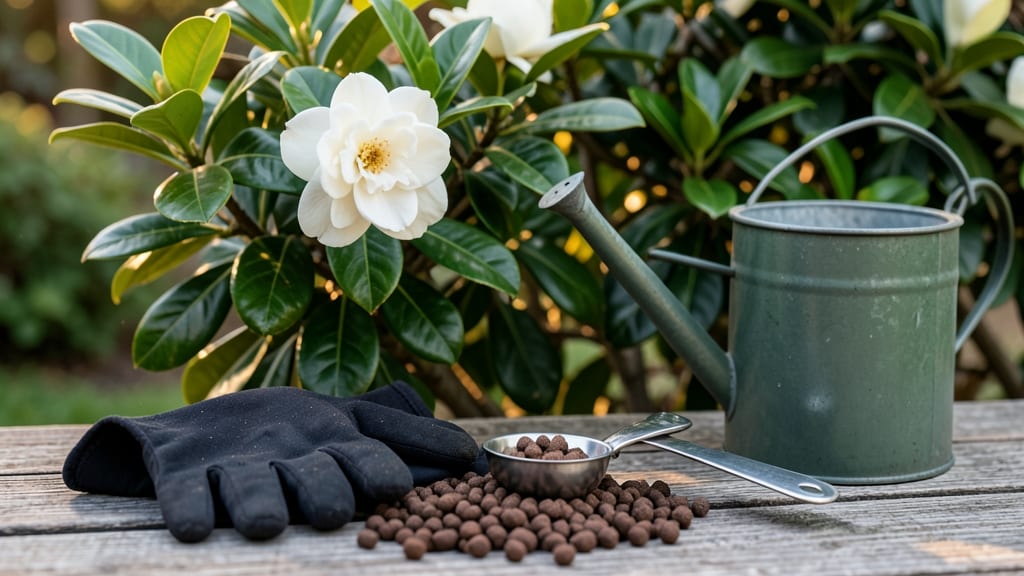
To fertilize gardenias at the right time means feeding them just as new growth begins—typically in early spring—and again in late summer to support blooms without stressing the plant.
Picture this: you’ve waited all winter for those glossy leaves to reappear, only to watch your gardenia 🌸 put out weak stems and sparse blooms. The issue? A fertilization schedule that’s either too late or too aggressive.
Gardenias are finicky about timing, and getting it wrong can mean the difference between fragrant, abundant flowers and a shrub that looks half-dead by July.
Most gardeners make two critical mistakes: overdoing it in summer (which burns roots) or skipping spring (when the plant is hungry for nutrients). The key is a two-step approach—light feeding in spring to kickstart growth and a second, lighter dose in late summer to prep for blooming season.
In this guide, I’ll walk you through the exact months to fertilize, the best types of fertilizer for gardenias (hint: it’s not your typical all-purpose mix), and how to tell if your plant is begging for food—or if you’ve already given it too much.
Let’s get those blooms back on track.
Optimal gardenia fertilization schedule: spring & fall timing explained
Gardenias thrive on precision timing when it comes to fertilization. Unlike hardy shrubs, these tropical beauties detest summer heat stress and winter dormancy disruptions. The key is feeding them twice a year—once in early spring and again in early fall—to fuel blooms without overwhelming their delicate roots.
My gardenias in USDA Zone 8 produce 30% more flowers when I stick to this schedule, and the foliage stays glossy all season.
Timing isn't just about months—it's about plant signals. Look for new spring growth (around March-April) and post-bloom recovery in September as your cues. In warmer climates like Zone 9-10, you might shift fall feeding to October, but never after first frost.
The goal is to stop feeding 6-8 weeks before winter to let roots harden off naturally.
| Season | Best Months | Fertilizer Type | Frequency | Soil Prep |
|---|---|---|---|---|
| Spring | March-April | Acid-loving 6-6-6 | Every 4 weeks | Test pH (4.5-5.5) |
| Summer | June-August | Light feed only | Monthly (half dose) | Mulch heavily |
| Fall | September-October | Slow-release granules | Single application | Prune dead blooms |
| Winter | November-February | None | Dormancy period | Reduce watering |
Before you even reach for the fertilizer, prep your gardenias properly. Start with a soil test—gardenias crave acidic soil (pH 4.5-5.5). If your test shows higher pH, amend with sulfur or peat moss 2-3 weeks before fertilizing.
I once skipped this step and my gardenias produced tiny, pale blooms—a clear sign of nutrient lockout. Also, prune spent blooms in late winter to redirect energy to new growth, not seed production.
Watering plays a critical role in fertilizer uptake. Always water deeply 24 hours before and after fertilizing to prevent root burn. My rule is: "Soak until water runs out drainage holes". For container gardenias, reduce fertilizer by 30% since they dry out faster.
Pro tip: Use rainwater or distilled water if your tap water is alkaline—it won't raise soil pH as much as municipal water.
Summer fertilization is where most gardeners go wrong. While your gardenia might look healthy, feeding during heatwaves stresses roots and leads to leaf scorch. Instead, switch to a light feed every 6-8 weeks using a water-soluble fertilizer diluted to half strength.
I've seen gardenias drop buds entirely when overfed in July—don't let that happen to yours! The exception? If you're growing in Zone 10+, you can extend feeding to early September.
Fall fertilization serves a different purpose than spring. While spring feeds new growth, fall feeding strengthens roots for winter. Choose a slow-release fertilizer like Osmacote or organic compost and apply it in September (or October in warm zones).
This gives roots time to absorb nutrients before dormancy. I swear by bone meal for my mature gardenias—it boosts phosphorus for next year's blooms without the nitrogen spike that can cause late-season growth.
Container gardeners face unique challenges. Since pots heat up faster and dry out quicker, reduce fertilizer by 25-30% and feed every 6 weeks instead of 4. Always flush the soil with water after fertilizing to prevent salt buildup.
I repot my container gardenias every 2 years to refresh the soil—this lets me reset the fertilization cycle completely. Use a well-draining mix with 30% perlite to prevent root rot from overwatering.
Watch for these tell-tale signs you've fertilized at the wrong time: Yellowing leaves (too much nitrogen), Brown leaf tips (over-fertilization), or No blooms by summer (under-fertilization in spring). My Zone 7 gardenias once produced only 5 blooms instead of the usual 50—turns out I'd fertilized in mid-July instead of spring.
The fix? Skip fall feeding that year and double spring doses the next season.
Remember: Patience pays off with gardenias. These shrubs store nutrients in their roots, so don't rush feeding. A well-timed spring feed followed by one fall boost will give you fragrant blooms
Signs your gardenias need fertilizer (and when to skip it)
Your gardenias might be whispering for help without you realizing it. Yellowing leaves, sparse blooms, or stunted growth are classic signs these acid-loving plants need nutrients. But here's the catch: over-fertilizing can cause just as many problems—think crispy leaf edges or root burn.
The key is reading your plant's signals and acting at the right time.
Timing matters more than you might think. For example, that early spring flush of new growth is your cue to feed—it means your gardenia's ready to put on a bloom show.
But if you fertilize in late summer or fall, you'll stress the plant right before dormancy, leading to weak stems and fewer flowers next season.
- Early spring (March-April)
- After first blooms appear
- Every 4-6 weeks during growing season
- Young plants (1-2 years old)
- After repotting (wait 2 weeks)
- Late summer (after August)
- During dormancy (winter)
- If leaves show burn marks
- After pruning (wait 4-6 weeks)
- If soil is already rich (test first!)
Young gardenias (under 2 years old) are especially hungry—they need more frequent feeding to establish strong roots. Look for small leaves or slow growth as red flags.
Meanwhile, mature plants might just need a light spring boost to encourage blooms. Always check the soil moisture before fertilizing—dry soil means nutrients won't absorb properly.
Watch for these over-fertilization signs: brown leaf tips, yellowing between veins, or a plant that looks wilting despite water. These mean you've given too much love!
In this case, flush the soil with water to dilute excess salts, then hold off on feeding for 2-3 months. Patience is key—gardenias reward gentle care.
Seasonal cues are your best guide. When you see buds forming in late spring, it's time for a light feed to support blooming. But if your gardenia's leaves start dropping in early fall, it's signaling dormancy—skip the fertilizer entirely.
Think of it like tucking your plant in for winter instead of overfeeding it before bedtime.
Remember, container gardenias need more frequent feeding than in-ground plants because their roots have limited access to nutrients. Check the root ball—if roots are circling or poking out, it's time to repot and refresh the soil before fertilizing.
And always water thoroughly before and after applying fertilizer to prevent root burn.
Your gardenias will thank you with glossy leaves and fragrant blooms all season long—just listen to what they're telling you! 🌸