
Tools
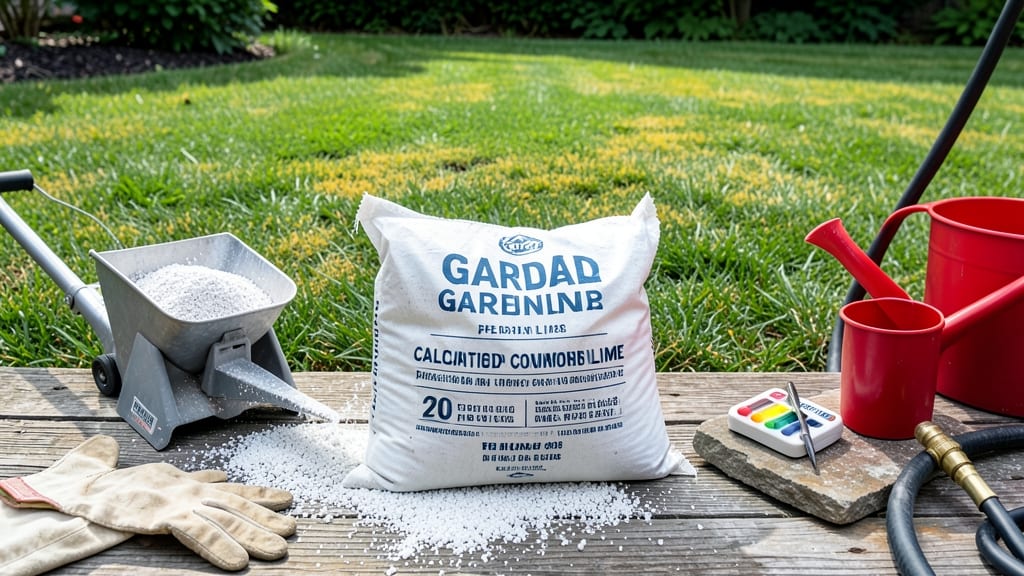
Applying lime to garden works best in early spring or fall when soil is moist but not frozen, after testing pH to confirm a reading below 6.0. Spread evenly and water deeply to help the amendment integrate properly into the soil.
Timing matters because soil pH fluctuates with temperature and moisture. 🌱 Lime works most effectively when soil temperatures are stable—spring or fall avoids the extreme heat of summer that can slow absorption or the frozen ground of winter that prevents proper distribution.
I always check my soil test results first; if the pH is below 6.0, that's when I know it's time to act. The key is balancing the application with your plants' active growing seasons to maximize benefits without causing stress.
For best results, spread lime evenly across the garden bed using a broadcast spreader or by hand with a rake. After application, water the area thoroughly to help the lime particles move deeper into the soil.
This step is crucial because dry lime sits on the surface and won't adjust the pH effectively. I recommend re-testing your soil 2-3 months after application to confirm the pH has reached your target range of 6.0–7.0.
💡 In This Article
- How Soil pH Affects Lime Application Timing
- Step-by-Step Guide to Applying Lime in Gardens
How soil pH affects lime application timing
Soil pH determines how effectively lime can neutralize acidity. When soil pH drops below 6.0, aluminum and manganese become more soluble, which can stunt root growth and limit nutrient uptake. Lime—primarily calcium carbonate—reacts with hydrogen ions in acidic soil, raising pH through a chemical exchange.
This process works best when soil temperatures stay between 50-75°F, which is why spring and fall are ideal seasons. During these times, microbial activity in the soil is also optimal, helping break down lime particles faster for quicker pH adjustment.
The science gets even more precise when considering soil texture. Sandy soils drain quickly, so lime needs to be applied more frequently but in lighter doses (5-10 lbs per 100 sq ft) to prevent runoff.
Clay soils, on the other hand, hold moisture longer, allowing lime to work more gradually over 2-3 months. I've found that testing soil pH in early spring gives me a full growing season to monitor changes, while fall applications allow the lime to integrate before winter dormancy.
The goal is always to reach that 6.0-7.0 sweet spot where most vegetables and flowers thrive.
Seasonal weather plays a critical role in lime absorption. In summer, high temperatures can cause lime to react too quickly on the surface, creating a crust that blocks deeper penetration. Frozen winter soils prevent lime from moving into root zones at all.
That's why I always check the weather forecast—applying lime during 48 hours of dry weather ensures it doesn't wash away before it has a chance to work.
The moisture in spring or fall soil helps dissolve lime particles, allowing calcium and magnesium ions to move through the soil profile where they're needed most.
Interpreting soil test results is where the real precision comes in. Most tests provide not just pH but also buffer pH (how much lime your soil can hold).
A buffer pH of 7.0 or higher means your soil can handle more lime without overshooting the target pH. For example, my tomato plants showed signs of blossom end rot when soil tests revealed a pH of 5.2—calcium deficiency from acidic conditions.
After applying 20 lbs of dolomitic lime per 100 sq ft in early spring, the pH rose to 6.5 by summer, and my harvest improved dramatically.
What most gardeners overlook is how different plants have unique pH preferences. Blueberries, for instance, thrive in acidic soil (4.5-5.5), so lime would actually harm them.
That's why I always match the lime application to what I'm growing—vegetables like peppers and squash need that 6.0-7.0 range, while acid-loving plants get their own special care. The key is understanding your soil's current state and your plants' future needs before making any adjustments.
For those with heavy clay soils, consider using pelletized lime—it spreads more evenly and dissolves faster than powdered forms. The granules create less dust and are easier to work into the top 2-3 inches of soil where most root activity occurs.
I've seen gardeners make the mistake of applying lime in late summer when rains are frequent, only to watch it wash away before it could do any good. Timing really is everything when it comes to getting the most bang for your buck from lime applications.