
Fertilization
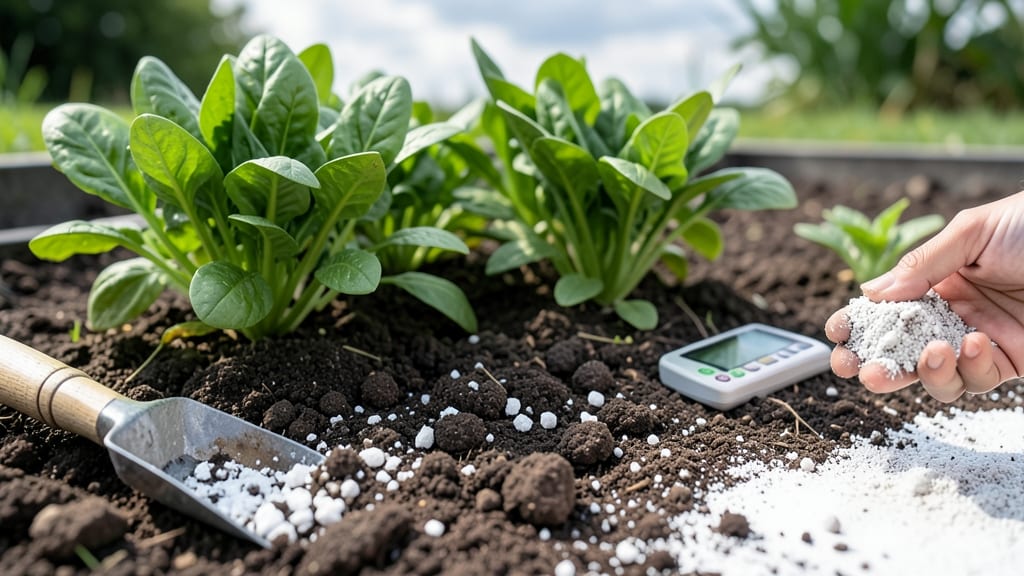
Using calcium carbonate in gardening effectively raises soil pH levels to neutralize acidity, preventing nutrient deficiencies like magnesium or potassium uptake issues in plants. Apply 1-2 pounds per 100 square feet for sandy soil or 5-10 pounds for clay soil, working it into the top 6 inches.
Calcium carbonate, also known as garden lime, works by reacting with acidic soil components to gradually increase pH over time.
This process helps unlock essential nutrients that plants need to thrive, especially in acidic conditions where aluminum toxicity can become an issue. 🌱 For best results, I recommend testing your soil's pH before application to determine the exact amount needed, as overapplication can make soil too alkaline.
Unlike quick-acting amendments, calcium carbonate takes several weeks to months to fully adjust pH levels, making it ideal for long-term soil health improvements. The granular form is easiest to spread and mix into the topsoil, while powdered versions dissolve faster but require more precise application.
Always water the soil thoroughly after applying to help the amendment integrate evenly.
💡 In This Article
- How Calcium Carbonate Adjusts Soil pH and Improves Plant Health
- Best Application Methods for Calcium Carbonate in Gardens and Lawns
How calcium carbonate adjusts soil pH and improves plant health
Calcium carbonate works through a chemical reaction called neutralization. When applied to acidic soil (typically pH < 6.5), it reacts with hydrogen ions (H+) present in the soil solution, converting them into water and carbon dioxide while releasing calcium ions (Ca²⁺). This reaction slowly raises the pH toward neutral (around 7.0), creating a more balanced environment for nutrient uptake. For example, in highly acidic soils (pH 4.5-5.5), a single application can increase pH by 0.5-1.5 units over 2-3 months, depending on soil type and organic matter content.
The released calcium ions also play a crucial role in soil structure. They help bind soil particles together, improving water retention and aeration—especially beneficial in clay soils where compaction is an issue. Unlike synthetic fertilizers that provide quick fixes, calcium carbonate delivers long-term benefits by enhancing soil microbial activity.
This microbial boost helps break down organic matter more efficiently, releasing additional nutrients like nitrogen and phosphorus that plants can absorb. 🌱 The process is gradual but creates a healthier root zone over time.
One of the most critical benefits is preventing nutrient lockout. In acidic conditions, aluminum and manganese become toxic to plants, while essential nutrients like phosphorus, calcium, and magnesium become unavailable. Calcium carbonate neutralizes these harmful conditions, allowing roots to access the full spectrum of nutrients.
For instance, blueberries—known for thriving in acidic soils—often show signs of magnesium deficiency when soil pH drops below 5.0. Applying calcium carbonate can restore balance, preventing yellowing leaves and stunted growth.
Soil texture also influences how effectively calcium carbonate works. In sandy soils, which drain quickly, the amendment dissolves faster but may require more frequent reapplication (every 1-2 years). In contrast, clay soils hold moisture longer, slowing the reaction but providing longer-lasting pH adjustment (up to 3-5 years).
The key is to match the application rate to your soil's buffering capacity—the ability to resist pH changes—which is why testing before and after is essential.
Beyond pH adjustment, calcium carbonate strengthens plant cell walls by supplying calcium, a structural component in plant tissues. This is particularly important for fruiting plants like tomatoes and peppers, where calcium deficiency leads to blossom-end rot.
The slow-release nature of calcium carbonate ensures a steady supply, supporting both root development and above-ground growth. For best results, combine it with organic matter like compost to enhance microbial activity and nutrient cycling.
What most gardeners don't realize is that overapplication can backfire. While raising pH too high (above 7.5) can cause iron and zinc deficiencies, the right amount creates an optimal environment where plants can access all necessary nutrients without competition.
This balance is why soil testing is non-negotiable—it tells you exactly how much to apply for your specific conditions. 💫