
Blooming
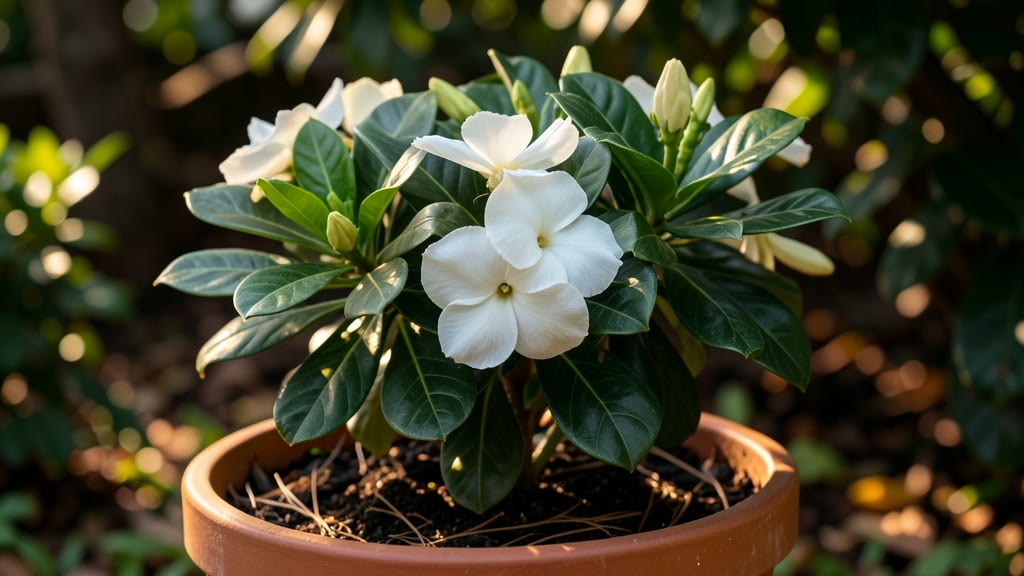
Gardenias bloom in late spring through summer, typically May to August, though timing varies by variety—some early bloomers start in April, while late types may extend into September. Proper sunlight and pruning trigger peak flowering periods.
Gardenias are famously finicky about their blooming windows, and the difference between varieties can be as much as five months. 🌸 For example, G. jasminoides (the most common type) usually bursts into bloom in June, while G. radicans—a climbing variety—often waits until July.
Regional climates play a huge role too: gardenias in warmer zones like Florida may start as early as March, while those in cooler areas like the Pacific Northwest might not peak until late July.
The key to extending their season lies in mimicking their natural tropical environment—think bright, indirect light and consistent moisture without soggy soil.
What surprises many gardeners is how drastically pruning can shift the timing. A light trim right after the first flush of blooms encourages a second round in late summer, while aggressive pruning in fall can delay next year's flowers until June.
I've found that balanced fertilizer (higher in phosphorus) in early spring gives my gardenias the energy boost they need to time their blooms just right. And if you notice buds dropping before opening? That's usually a sign of stress—either from sudden temperature swings or inconsistent watering.
💡 In This Article
- Gardenia Bloom Seasons by Variety
- How to Encourage Early or Extended Gardenia Blooms
Gardenia bloom seasons by variety
The blooming window for gardenias isn't just a seasonal event—it's a carefully timed biological response to environmental cues. G. jasminoides, the most popular type, typically flowers between June and August, with peak blooms in early July when daytime temperatures stabilize around 75-85°F.
This variety's buds form in late spring and require consistent warmth to open fully. In contrast, G. radicans, a climbing gardenia, often blooms slightly later—July through September—because its vines need more time to mature and develop flower buds.
Regional climate plays a dramatic role in shifting these timelines. In USDA Zone 9 or warmer, gardenias may start as early as April if winter temperatures don't drop below 40°F for prolonged periods.
For example, in Miami, gardenias might bloom continuously from March to November, while in Los Angeles, they typically align with the May to August window.
Cooler climates like Zone 7 or 8 often see delayed blooming—sometimes not until late June or July—because the plants need to "wake up" from winter dormancy.
Temperature isn't the only factor—humidity levels also influence blooming. Gardenias thrive in 60-80% humidity, which is why they often struggle in arid regions. In dry climates like Arizona, gardeners must use mulch or indoor humidity trays to extend the blooming season.
The fragrance intensity also peaks during optimal blooming conditions: a G. jasminoides in full bloom can fill a room with its sweet, jasmine-like scent, while stressed plants may produce fewer, less fragrant flowers.
What most gardeners don't realize is how light exposure affects timing. Gardenias need bright, indirect light (think morning sun with afternoon shade) to set flower buds.
In low-light conditions, like a north-facing window or dense shade, blooming may be delayed by 2-4 weeks as the plant focuses energy on leaf growth rather than flowering. This is why indoor gardenias often bloom later or produce smaller flowers compared to their outdoor counterparts.
For those who want to push blooming earlier, winter pruning can help. Trimming back 1/3 of the plant in late winter (around February) encourages new growth that can flower as early as May.
However, this technique requires precise timing—prune too early, and you risk frost damage; too late, and you delay the blooming window. The goal is to stimulate growth just as temperatures begin to rise consistently above 55°F.
One fascinating example is the G. augusta variety, which often blooms in late summer to early fall (August-September) because its natural habitat in Southeast Asia experiences a distinct rainy season that triggers flowering.
Recreating this cycle in your garden involves consistent moisture (but never waterlogged soil) and avoiding sudden temperature drops, which can cause buds to drop before opening.