
Planting
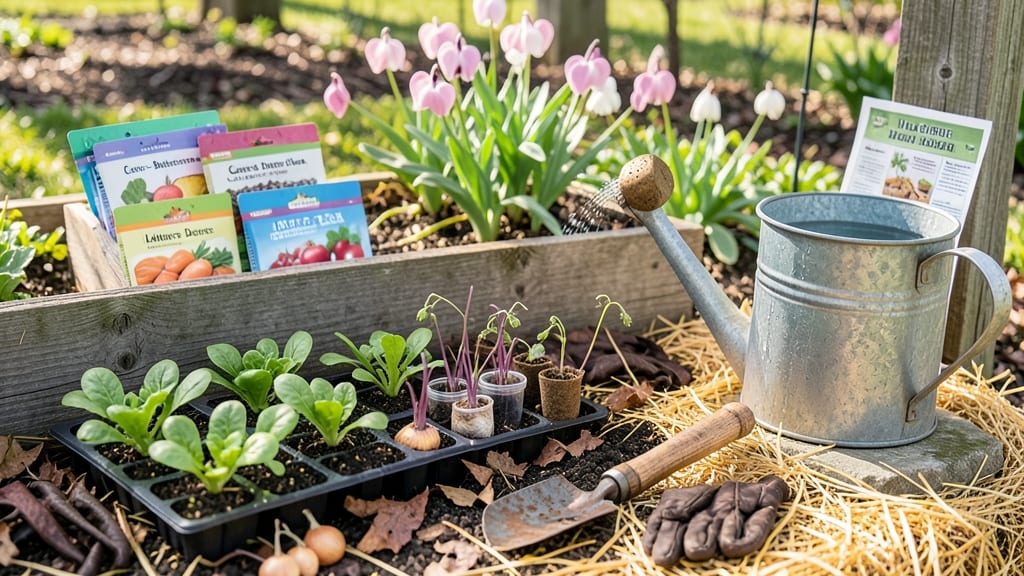
Planting a garden in Missouri means timing your spring and fall crops to avoid frost while maximizing your harvest—because getting it wrong can mean wasted seeds or stunted growth.
Missouri’s unpredictable spring weather can make gardeners nervous—plant too early and risk frost damage, too late and miss peak harvests. But with the right timing based on your hardiness zone, you can maximize your garden’s success from St. Louis to Kansas City.
In zones 5b-6b, most cool-season veggies like lettuce and peas go in the ground by March 15, while warm-season favorites such as tomatoes and peppers wait until after the last frost—usually April 15 or later. Fall planting starts in August for hearty crops like kale and carrots.
Below, I break down the exact months for your zone, how to adjust for late frosts, and the fastest-growing crops that thrive in Missouri’s shorter seasons—so you can plan with confidence and avoid common mistakes.
Missouri planting calendar by hardiness Zone (exact months & deadlines)
Missouri spans USDA hardiness zones 5b through 7a, meaning your planting schedule can vary by 2-3 weeks depending on whether you're in northern St. Louis (Zone 6a) or southern Kansas City (Zone 7a). The key to success? Knowing your last average frost date and heat-sensitive plant thresholds.
In Zone 5b (northwest Missouri), the last frost typically arrives by April 15, while Zone 7a (southeast Missouri) enjoys frost-free conditions by March 20. Warm-season crops like tomatoes and peppers need soil temperatures above 60°F to thrive.
For cool-season crops (like lettuce, spinach, and peas), you can start seeds indoors 6-8 weeks before your last frost date or direct-sow outdoors 4-6 weeks before.
In Zone 6a, that means mid-March for indoor starts and late March for outdoor planting. Warm-season crops (tomatoes, peppers, cucumbers) should wait until 2 weeks after your last frost and only when soil temps stay above 60°F for 5+ days.
In Zone 5b, that’s usually mid-May, while Zone 7a gardeners can plant by early April.
Here’s your Missouri planting zone breakdown with exact deadlines for spring and fall planting:
For fall planting, focus on cool-season crops like kale, broccoli, and carrots. In Zone 5b, you have until September 1 to sow seeds for a fall harvest, while Zone 7a can extend planting until July 30.
Always aim to harvest before first frost, which arrives as early as October 15 in northern zones and as late as November 5 in southern zones. Use row covers to push harvests later if needed.
Missouri’s short growing season (165-200 frost-free days) means succession planting is key. After harvesting early crops like radishes or lettuce, replant with bush beans, zucchini, or spinach to maximize your space.
For warm-season crops, consider container gardening to extend the season—pots warm up faster in spring and can be moved to shade during summer heatwaves.
Pro tip: Use a soil thermometer to confirm 60°F soil temps before planting warm-season crops. In cooler zones like Zone 5b, wait until May 15 to avoid late spring frosts, which can devastate young seedlings.
For heat-sensitive plants like basil and cucumbers, start seeds indoors 4-6 weeks before your last frost and transplant after the danger of frost has passed.
Don’t forget
How to adjust planting times for Missouri’s unpredictable weather patterns
Missouri’s spring weather can swing from freezing nights to 80°F days in just weeks, leaving gardeners guessing when to plant. Late frosts in April and sudden heatwaves in May make timing critical for crops like tomatoes and peppers.
The key is flexibility—using soil temperature and frost dates as your guide rather than rigid calendar dates.
I’ve learned the hard way that planting warm-season crops too early leads to stunted growth, while waiting too long cuts harvests short. For example, in Zone 6a (common in St. Louis), my tomato seedlings wilted after a 30°F dip in late April.
Since then, I’ve adopted a multi-step approach to adjust planting times safely.
⚠️ Missouri’s Frost Risk Doesn’t Follow the Calendar
Even if your neighbor’s last frost date is April 15, a late freeze can hit May 5. Use a soil thermometer ($15 at garden centers) to confirm 60°F+ soil temps for warm-season plants like peppers and cucumbers. For cold-hardy crops (spinach, kale), wait until 40°F+ soil temps to avoid rot.
Start with backup planting dates for high-value crops. For tomatoes, I plant 2 sets of seedlings: the first after the official last frost date (April 15 in St. Louis) and a second set 2 weeks later if the first batch struggles.
This ensures at least one healthy harvest. Similarly, peppers and eggplants need 70°F+ soil—often not reached until late May.
Frost-proofing techniques can buy you extra time. Cover seedlings with frost blankets (or even old sheets) if a 32°F warning pops up. I’ve saved entire rows of basil and cucumbers this way.
For sensitive plants like okra, I wait until June 1 to plant, even if it means a shorter season—better a late but bountiful harvest than none at all.
Don’t overlook succession planting for fast growers. In Missouri’s short season, I plant lettuce every 2 weeks from March to September. This way, if an early frost nips the first batch, the second or third planting is already thriving.
For radishes (ready in 25 days), I sow seeds every 10 days to ensure a continuous supply.
Heatwaves are another Missouri wild card. If temperatures hit 90°F+ before tomatoes are established, they’ll drop flowers and fruit. I’ve had success using shade cloth (30% shade) during peak afternoons or planting heat-tolerant varieties like ‘Heatmaster’ tomatoes. Always pair heat-sensitive crops with drip irrigation to keep roots cool.
Finally, track your own local frost dates for 3–5 years. Missouri’s climate shifts yearly—what was a safe May 1 planting in 2020 might be a gamble in 2024.
Keep a garden journal with notes on soil temps, frost dates, and plant performance. Over time, you’ll spot patterns and adjust your schedule with confidence.