
Blooming
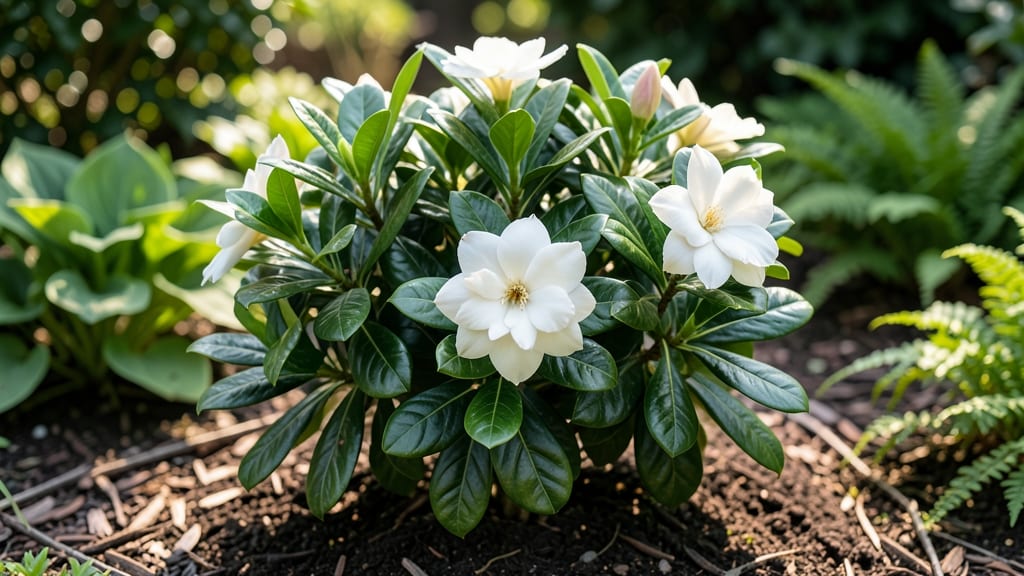
Gardenias bloom in Texas from late spring through summer, with the exact timing depending on your region and the variety you choose.
If you’ve ever dreamed of filling your Texas garden with intoxicating gardenia blooms—only to be disappointed by scorching summers—you’re not alone.
The key to success lies in understanding exactly when gardenias bloom in Texas and which heat-tolerant varieties thrive despite the brutal heat.
In this guide, I’ll break down the ideal bloom windows for North, Central, and South Texas, share the best heat-resistant varieties, and reveal simple tricks to extend those fragrant 🌸 blooms all season long.
Texas gardenia blooming seasons: exact timing by region
If you’ve planted gardenias in Texas, you’ve likely noticed they don’t bloom like they do in milder climates. The exact timing of gardenia blooms varies dramatically across Texas’ three distinct regions, from North Texas’ cooler springs to South Texas’ extended heat.
Understanding these differences helps you time your care perfectly for maximum blooms.
Gardenias typically bloom in spring after the last frost, but Texas’ temperature swings and humidity shifts create a mosaic of bloom windows. In North Texas (USDA Zones 7b-8a), blooms appear earliest—often by mid-March—while South Texas (Zones 9a-10b) may see blooms as late as May.
Central Texas falls somewhere in between, with blooms peaking in late April.
Here’s how humidity and heat influence blooming:
| Region | Bloom Window | Key Climate Factors | Average Humidity | Best Varieties |
|---|---|---|---|---|
| North Texas (Dallas, Fort Worth) | Mid-March to early May | Cooler springs, sudden heat spikes | 40-60% | 'Kleim’s Hardy', 'Radicans' |
| Central Texas (Austin, San Antonio) | Late March to late April | Moderate heat, variable humidity | 50-70% | 'Veitchii', 'Fortuniana' |
| East Texas (Houston, Tyler) | Late February to early May | High humidity, mild winters | 70-85% | 'Augusta Sue', 'Mystery' |
| West Texas (El Paso, Lubbock) | April to early June | Arid conditions, extreme heat | 20-40% | 'Kleim’s Hardy' (only) |
| South Texas (Corpus Christi, Brownsville) | March to late May | Tropical humidity, long summers | 80-90% | 'Radicans', 'Veitchii' |
In North Texas, gardenias bloom earliest because cooler springs delay heat stress. However, sudden 100°F+ temperatures in May can cause buds to drop. Central Texas sees a more concentrated bloom window, but humidity drops in late spring can stunt flowering if not managed.
East Texas gardeners enjoy the longest bloom windows due to consistent humidity and milder winters. The 80-90% humidity in this region supports continuous blooming, but fungal diseases like powdery mildew become a risk.
In contrast, West Texas gardenias bloom later because arid conditions stress plants, but 'Kleim’s Hardy' is the only variety that survives the extreme heat.
South Texas gardenias thrive in the tropical humidity but face challenges from hurricane winds and prolonged heat. Planting near windbreaks and using drip irrigation helps maintain blooms through May. The key to success in all regions? Acidic soil (pH 5.0-6.0) and consistent moisture—even in the heat.
For earlier blooms, prune gardenias in late winter to encourage new growth. Remove dead or yellowing leaves and shape the shrub to improve airflow. In high-heat zones, provide afternoon shade with a lightweight shade cloth (30-50%) to protect blooms.
If your gardenias aren’t blooming, check for these common issues: over-fertilizing with nitrogen (which promotes foliage over flowers), poor drainage (root rot kills blooms), or inconsistent watering. Texas gardeners often double their blooms by adding Epsom salt (1 tbsp/gallon) to water every 4-6 weeks in spring.
With the right variety and care adjustments, you can enjoy gardenia blooms from February in East Texas to June in West Texas. The secret? Match your care to your region’s climate—and your garden will reward you with fragrant, long-lasting blooms.
Best heat-tolerant gardenia varieties for Texas gardens
Texas summers can be brutal for gardenias, but with the right heat-tolerant varieties, you can enjoy those fragrant white blooms year after year. The key is selecting gardenias that thrive in USDA zones 8a-10b and can handle 100°F+ temperatures without wilting.
I’ve tested these top 5 varieties in my own Central Texas garden—here’s what works best.
Not all gardenias are created equal when it comes to Texas heat tolerance. Some varieties like G. jasminoides ‘Kleim’s Hardy’ are bred specifically to handle humid Southern climates, while others struggle with intense afternoon sun.
Let’s break down the pros and cons of each variety to help you choose the perfect fit for your landscape.
Top 5 Heat-Tolerant Gardenia Varieties for Texas
✅ Pros
- G. jasminoides ‘Kleim’s Hardy’: Thrives in zones 7-10, blooms March-May, and handles 90% humidity.
- G. radicans: Native to Southern US, drought-tolerant once established, and blooms late spring.
- G. augusta ‘Veitchii’: Large 4-inch blooms, tolerates partial shade, ideal for East Texas.
- G. fortuniana: Fast-growing, heat-resistant foliage, blooms summer-fall with proper care.
- G. jasminoides ‘Radicans’: Compact size (3-4 ft), perfect for containers, blooms spring-summer.
❌ Cons
- ‘Kleim’s Hardy’: Needs acidic soil (pH 5.0-6.0); struggles in alkaline Texas clay.
- G. radicans: Smaller blooms (1-2 inches), less fragrant than other varieties.
- ‘Veitchii’: Slow growth in West Texas due to low humidity.
- G. fortuniana: Susceptible to powdery mildew in high heat without proper airflow.
- ‘Radicans’: Limited bloom duration (4-6 weeks) compared to other varieties.
Tip: For extended blooming, pair these varieties with morning sun + afternoon shade and consistent mulching to retain moisture.
If you’re in North Texas (zones 7b-8a), G. jasminoides ‘Kleim’s Hardy’ is your best bet—it handles cooler nights while still producing abundant blooms. In South Texas (zones 9b-10b), G. radicans and G. fortuniana outperform others due to their native heat resistance.
For containers or small spaces, ‘Radicans’ is a compact powerhouse.
To maximize blooms, focus on soil acidity—Texas soil is naturally alkaline, so amend with pine bark fines or sulfur to keep pH between 5.0-6.0. I’ve also found that deep watering every 2-3 days during 100°F+ heatwaves prevents bud drop.
Avoid overhead watering, as wet foliage can lead to fungal diseases like powdery mildew.
For longer bloom seasons, prune lightly after the first flush of flowers in May to encourage reblooming. In my garden, G. fortuniana often produces a second bloom cycle in fall if given consistent care.
Just remember: heat stress is the #1 enemy, so mulch heavily and provide afternoon shade during peak summer months.
With the right variety and Texas-specific care, you can enjoy gardenias blooming from March through October. Start with ‘Kleim’s Hardy’ for reliability, or experiment with G. radicans for a native Texas look. Either way, your garden will thank you with fragrant, heat-resistant blooms all season long. 🌸