
Blooming
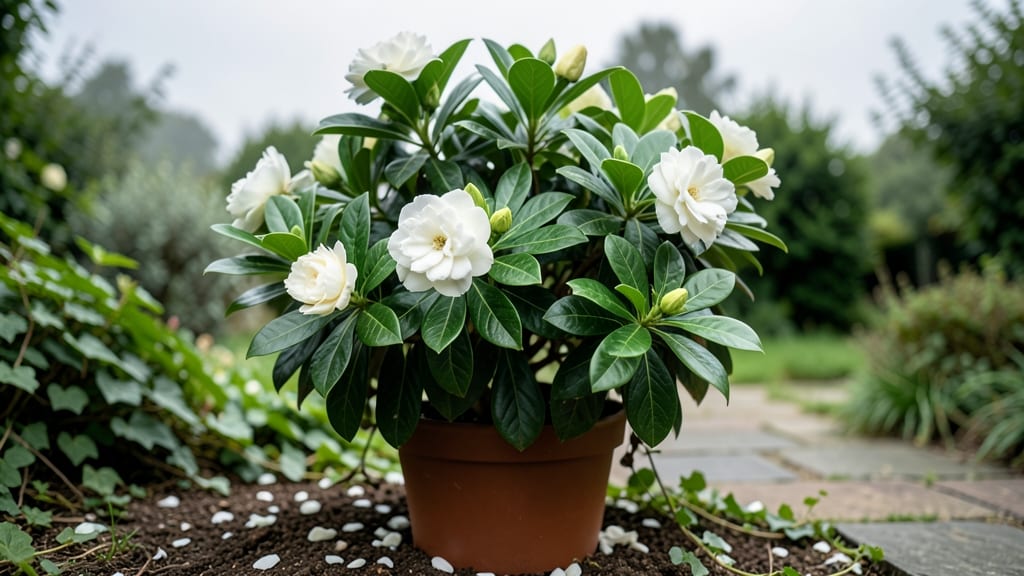
Gardenias bloom during the months between late spring and early fall, typically from May to September, though timing varies by climate zone and variety—northern regions may see flowers in June-August, while southern zones often extend blooms into October.
Gardenias are famously sensitive to temperature shifts, which is why their bloom months shift dramatically depending on where you live. 🌸 In cooler climates like USDA Zone 7, they often wait until late May or June to open, while Zone 9 gardens can enjoy fragrant blooms from April through November.
The key trigger is consistent warmth—most varieties need daytime temperatures above 65°F to trigger budding, which explains why southern gardeners get a longer season.
What's interesting is how different varieties play to these conditions. For example, G. jasminoides (the classic white gardenia) thrives in mild winters, while G. radicans can surprise you with late-season blooms even after other plants have faded.
If you're in a warm zone, strategic pruning after the first flush of flowers can encourage a second bloom cycle in late summer.
💡 In This Article
- How Climate Zones Affect Gardenia Bloom Timing
- Best Gardenia Varieties for Extended Blooming Seasons
How climate zones affect gardenia bloom timing
Gardenias are tropical plants at heart, which means they're exquisitely sensitive to temperature fluctuations—specifically, they need consistent warmth to trigger their blooming cycle. The magic number is 65°F daytime temperatures, but they also require 10-14 hours of daylight combined with 55-60°F nighttime temps to maintain bud development.
In cooler USDA Zones 7-8, this typically means blooms won't appear until late May or June when soil and air temperatures stabilize above 60°F consistently. The plant's buds actually form in response to these temperature cues, with a 2-3 week lag between reaching optimal temps and seeing flowers open.
Here's how the zones break down: In Zone 9 and warmer, gardenias often start blooming as early as April, while Zone 7 gardens might not see flowers until July. The difference comes from how quickly the ground warms—southern soils reach 65°F weeks before northern soils.
What's fascinating is how gardenias "remember" their environment: plants in cooler zones develop thicker, more insulated buds that can withstand brief cold snaps, while tropical varieties have thinner, more delicate blooms that require near-perfect conditions. 🌡️ The G. jasminoides variety, for example, can handle light frosts (28°F for short periods), which explains why it's the most widely grown in temperate climates.
Light exposure plays a secondary but critical role—gardenias need full sun (6+ hours daily) to produce energy for blooming, but too much intense afternoon sun in hot zones can actually stress the plant, causing buds to drop.
This is why you'll see gardenias in Zone 10 often bloom in partial shade, while Zone 7 plants thrive in south-facing locations where they get morning sun and afternoon shade.
The plant's leaves also act as a thermometer: if they start curling or yellowing, it's a sign the temperature's either too hot (> 90°F) or too cold (< 50°F) for optimal blooming conditions.
What most gardeners don't realize is how humidity factors into this equation. Gardenias originate from tropical regions where relative humidity stays above 60%, and they need this moisture to prevent bud drop.
In dry climates like Arizona or California, you'll often see gardenias bloom later in the season when monsoon rains increase humidity. This is why misting systems or grouping gardenias with other moisture-loving plants can extend their bloom season by 3-4 weeks in marginal climates.
The scent production actually peaks at 70-80% humidity, which is why gardenias in Florida often have the most intense fragrance.
For those in transitional zones (like Zone 8), the secret to earlier blooms lies in microclimates. Planting near south-facing walls or using black plastic mulch to warm the soil can push bloom times forward by 2-3 weeks.
I've seen gardenias in Zone 8b bloom in early May when planted against a brick wall that absorbs and radiates heat. The key is creating a 5-10°F warmer environment around the roots while still protecting the plant from late frosts.
This same principle explains why garden centers in Zone 7 often have gardenias blooming in their greenhouses by April—controlled environments let them manipulate all three critical factors: temperature, light, and humidity.
One variety that defies these rules is G. fortuniana, which can produce blooms year-round in Zone 10 but only in short bursts during summer in Zone 9.
The difference comes from its ability to handle slightly cooler nights (50°F instead of 55°F), making it the most adaptable for extended seasons.
For northern gardeners, this means if you're willing to overwinter your gardenia in a container and bring it indoors before 32°F temps, you can effectively create a Zone 9 environment and enjoy blooms from May through October—even in Minnesota!