
Fertilization
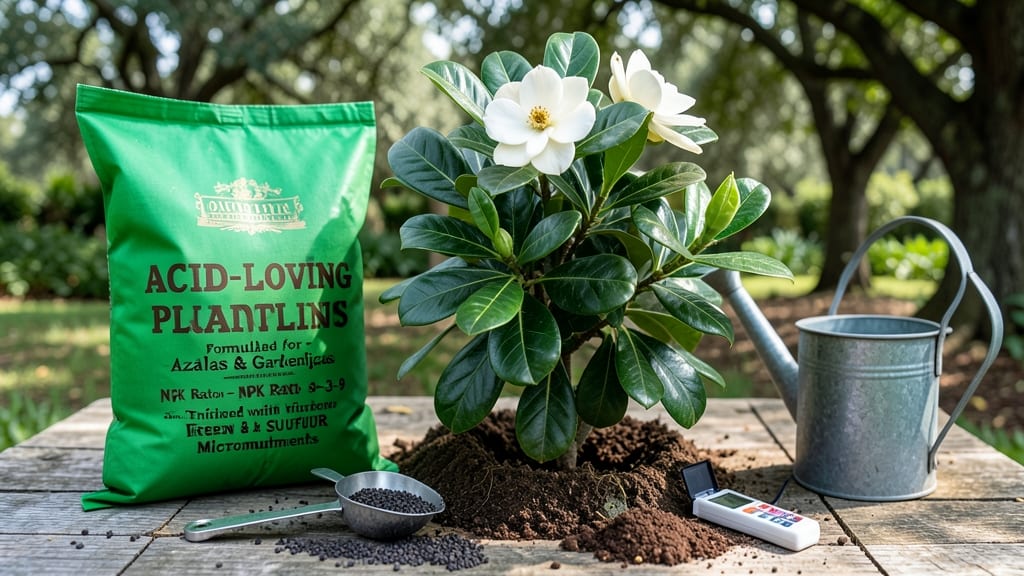
Fertilizing gardenias in Florida at the right time—spring and fall—is the key to those fragrant blooms you love 🌸.
Picture this: you’ve just pruned your gardenia, and the new growth is lush, but the flowers? Barely a sniff of their usual sweetness. That’s because Florida’s heat and humidity throw off even the best-laid plans. Too early, and you burn the roots; too late, and the blooms never show up.
Here’s the secret: feed your gardenias in February–March to kickstart spring blooms, then again in September–October to prep for fall’s second flush. Skip summer—unless you want leaf burn instead of flowers—and winter’s dormancy means no fertilizer at all.
Below, I’ll break down the exact schedule, the best fertilizers for Florida’s acidic soil, and how to spot when you’ve overdone it (hint: yellow leaves are not your friend).
Best times to fertilize gardenias in Florida: spring vs. fall schedule
Florida’s warm climate makes gardenias bloom nearly year-round, but their fertilization schedule hinges on two key windows: late winter/early spring (February–March) and early fall (September–October).
These months align with the plant’s natural growth cycles, ensuring vibrant blooms and healthy foliage without stressing the shrub during Florida’s brutal summer heat or winter dormancy.
Gardenias thrive in acidic soil (pH 5.0–6.0), and Florida’s sandy soils often lack the organic matter and nutrients they crave. Without proper feeding, your gardenias may produce smaller blooms or yellowing leaves.
The secret? Timed fertilization that matches Florida’s humidity, rainfall patterns, and temperature shifts—not just a one-size-fits-all approach.
Sandy soils drain nutrients quickly, requiring more frequent feeding (every 4–5 weeks), while clay-heavy soils hold moisture longer, allowing you to space out fertilizations (every 6–8 weeks). Below, I’ll break down the exact months, fertilizer types, and application tips tailored to Florida’s microclimates—so your gardenias stay lush and fragrant all year.
Your spring fertilization (February–March) is the most critical window. This is when gardenias wake from their winter dormancy and begin pushing out new shoots. In Florida’s Zone 9a–11, temperatures are mild but rising, so feed your plants with a high-phosphorus fertilizer (like 8-3-9) to encourage blooming.
For sandy soils, split the dose into two lighter applications to prevent nutrient runoff.
In September–October, aim for a lighter feed with a balanced fertilizer (6-6-6) to strengthen roots before Florida’s cooler winter months. This timing also helps gardenias recover from summer stress and prepares them for late-winter blooms.
If your gardenias are in containers, flush the soil with water after fertilizing to prevent salt buildup.
Florida’s summer months (June–August) are a no-fertilizer zone. The intense heat and humidity can cause fertilizer burn, leading to brown leaf edges and stunted growth. Instead, focus on deep watering (1–2 gallons per plant, twice weekly) and mulching with pine bark to retain moisture and acidity.
One common mistake Florida gardeners make is fertilizing too late in the season. If you feed gardenias after October, the new growth won’t harden off before winter, leaving them vulnerable to cold snaps (even in Florida!).
Similarly, over-fertilizing in spring can lead to leaf yellowing (chlorosis) due to nutrient imbalance. Always follow the label rates
How to choose the right fertilizer for Florida gardenias (and when to avoid it)
Florida gardenias need the right fertilizer to thrive, but choosing wrong can lead to yellow leaves or sparse blooms. These acid-loving plants crave low pH fertilizers with balanced nitrogen, phosphorus, and potassium—like 8-3-9 or 10-10-10 formulas.
The key is matching the fertilizer to your gardenia’s growth stage while avoiding common Florida mistakes.
Start by testing your soil’s pH level—gardenias need 5.0–6.0. If your soil is too alkaline, use acidifying fertilizers or amend with sulfur. Organic options like fish emulsion or composted pine bark work well, but synthetic acid-loving blends often deliver faster results for Florida’s fast-growing gardenias.
⚠️ callout warning ⚠️
Florida’s summer droughts (June–August) and high humidity stress gardenias. Fertilizing during this time can burn roots and reduce blooms. Wait until September for fall feeding or avoid fertilizing entirely if your gardenia shows yellow leaves or wilting.
🌡️ Pro Tip: Water deeply 24 hours before and after fertilizing to protect roots.
For spring feeding (February–March), use a slow-release fertilizer like Osmocote or Miracle-Gro Azalea. Apply 1 tablespoon per plant every 6 weeks until June. Look for micronutrients like iron and magnesium to prevent chlorosis (yellowing leaves), common in Florida’s sandy soils.
Watch for over-fertilization signs: Brown leaf edges, stunted growth, or fewer blooms mean you’re feeding too much. Under-fertilized gardenias show pale green leaves or no buds. Adjust your schedule—Florida gardenias only need 4–6 feedings per year, not monthly.
Skip fertilizing in winter (December–January) unless you’re in South Florida (Zone 11). Gardenias enter a semi-dormant phase when days shorten, and feeding can stimulate weak, disease-prone growth. Instead, focus on mulching with pine straw to retain moisture and acidity naturally.
If your gardenia blooms year-round (common in Central/South Florida), split feedings into two light doses: February–March for spring blooms and September–October for fall/winter flowers. Avoid high-nitrogen fertilizers—they promote leafy growth over blooms. For fragrant, heavy-blooming gardenias, opt for phosphorus-rich formulas like 10-10-10.