
Blooming
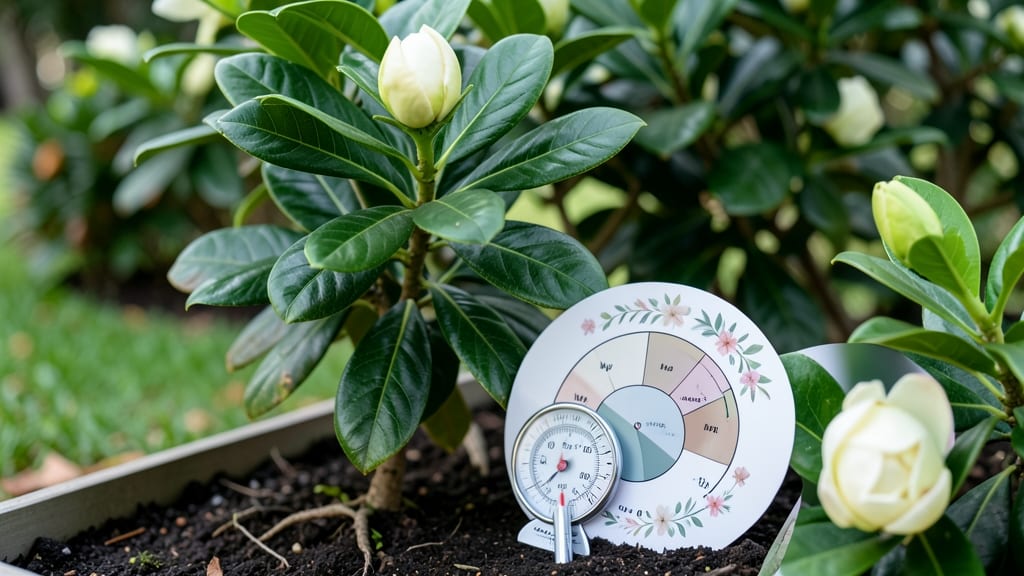
Gardenia blooms in Florida typically arrive between late spring and early summer—think May through July—when the air turns thick with their signature sweet scent.
If you’ve ever admired the intoxicating fragrance of gardenias but wondered when these Florida favorites burst into bloom, you’re not alone—timing is everything for gardeners chasing that creamy, heady aroma.
In the 9a-11 zones, gardenias like G. jasminoides (the classic) often bloom earliest in North Florida, while varieties like G. radicans may linger into August in the South. The key? Balanced care—acidic soil, partial shade, and steady watering—sets the stage for those iconic white 🌸 clusters.
Below, I’ll break down the exact bloom windows by variety, how to spot early signs of buds, and the simple tweaks that keep your gardenias flowering longer—because nobody wants a one-season show.
Gardenia bloom seasons in Florida: key varieties and their timelines
Florida’s warm climate makes it a paradise for gardenias, but their blooming seasons vary by variety and region. Whether you’re in North Florida’s cooler zones or South Florida’s tropical heat, knowing when to expect those fragrant white blooms helps you plan your garden’s star moments.
Most gardenias thrive year-round in Florida, but their peak bloom periods shift slightly based on temperature and variety.
In North Florida (Zones 8-9), gardenias often bloom slightly later due to cooler winters, while Central Florida (Zone 10) enjoys near-continuous blooming with minor seasonal dips. South Florida (Zones 11) gardenias may bloom year-round with minimal breaks, especially if conditions are ideal.
Let’s break down the timelines for Florida’s most popular gardenia varieties—so you can anticipate (and extend!) their stunning displays.
🌸 Pro Tip: Gardenias typically bloom on new wood, meaning regular pruning after flowering encourages a second flush of blooms later in the season.
The G. jasminoides is Florida’s classic gardenia, with its peak bloom aligning perfectly with summer’s long days. In North Florida, you’ll see the most flowers from June to August, while Central and South Florida gardeners enjoy nearly year-round blooms with a spring-to-fall emphasis.
This variety’s fragrance is unmatched, making it a top pick for landscaping and cut flowers.
For those who love trailing plants, G. radicans is a standout. Its June-to-September bloom window in North Florida shifts to a more extended April-to-December display in South Florida.
This variety thrives in containers and hanging baskets, adding vertical interest to patios and balconies while filling the air with its sweet scent.
G. fortuniana is a heat-loving variety that often blooms earlier than others, making it ideal for North Florida gardeners eager to enjoy gardenias in April and May. In Central and South Florida, its blooms stretch from March to September, overlapping with other varieties for a near-continuous floral display. Its larger flowers also make it a favorite for statement shrubs in garden beds.
If you’re in South Florida and want gardenias that bloom year-round, focus on G. jasminoides and G. radicans. These varieties handle the humidity and heat better than others, though they still benefit from afternoon shade to prevent leaf scorch.
In North Florida, where winters can dip below 40°F, consider G. fortuniana for its early blooms or G. augusta for late-season color.
One common misconception is that gardenias only bloom once per year. In reality, with proper care—including regular pruning, balanced fertilization, and consistent moisture—many varieties will produce two or even three bloom cycles annually.
For example, a well-cared-for G. jasminoides in Central Florida might bloom in spring and again in fall, extending your floral enjoyment.
To maximize blooms, pay attention to your gardenia’s light and water needs. While they love morning sun, afternoon shade is crucial in Florida’s intense summer heat. Overhead watering can lead to fungal issues, so water at the
How to extend gardenia blooms in Florida: pruning, care, and climate tips
Florida’s warm climate lets gardenias bloom nearly year-round, but with the right care, you can turn their spring-to-summer show into a longer, more abundant display. The key lies in pruning timing, soil acidity, and protecting them from Florida’s unpredictable weather.
I’ve learned that even a few adjustments can extend those fragrant blooms by weeks—or even months.
Start by pruning your gardenias right after flowering, typically in late summer or early fall. This encourages fresh growth that will bloom again next spring. Avoid heavy pruning in winter, as gardenias are sensitive to cold snaps, even in Florida’s mildest zones.
I’ve seen gardeners in North Florida wrap their plants in burlap during January cold fronts to prevent bud drop.
⚠️ callout-tip ⚠️
In Florida, gardenias typically bloom from late spring (April-May) through summer (June-August), with G. jasminoides being the most reliable. In South Florida (Zones 10-11), blooms can stretch into fall (September-October), while North Florida (Zone 9a) may see shorter seasons due to cooler winters. Repeat blooming is possible with proper care!
💡 Pro Tip: Deadhead spent blooms to redirect energy to new buds.
Soil pH is another game-changer. Gardenias thrive in acidic soil (pH 5.0-6.5). Test your soil—if it’s too alkaline, amend it with sulfur or peat moss. I once had a gardenia that refused to bloom until I lowered the pH from 7.2 to 6.0.
A simple soil test kit (available at garden centers) makes this easy. Pair this with a balanced, high-phosphorus fertilizer (like 8-4-8) every 6-8 weeks during growing season.
Watering matters just as much as pruning. Gardenias love consistent moisture but hate soggy roots. In Florida’s heat, I water mine deeply every 2-3 days, aiming for 1-2 gallons per plant.
Use drip irrigation or soaker hoses to keep foliage dry—wet leaves invite fungal diseases like powdery mildew. Mulch with pine bark to retain moisture and mimic their native acidic forest floor.
Florida’s humidity and heat can stress gardenias, causing buds to drop before opening. To combat this, I’ve found that shade cloth (30-50%) during peak afternoon sun (12 PM - 4 PM) helps.
Also, avoid fertilizing in extreme heat—this burns roots. Instead, feed lightly in early morning or late evening when temps are cooler.
For repeat blooming, I’ve had success with a two-step approach: First, prune lightly after the first flush of blooms to encourage secondary growth. Then, in late summer, give them a light feeding of phosphorus-rich fertilizer to push new buds.
In my Central Florida garden, this trick has extended blooms into early October—just in time for fall weddings and outdoor events!
Finally, watch for pests like spider mites or scale insects, which thrive in Florida’s heat. A neem oil spray every 4-6 weeks keeps them at bay without harming pollinators. With these tips, your gardenias won’t just bloom—they’ll perform like showstoppers all season long.