
Blooming
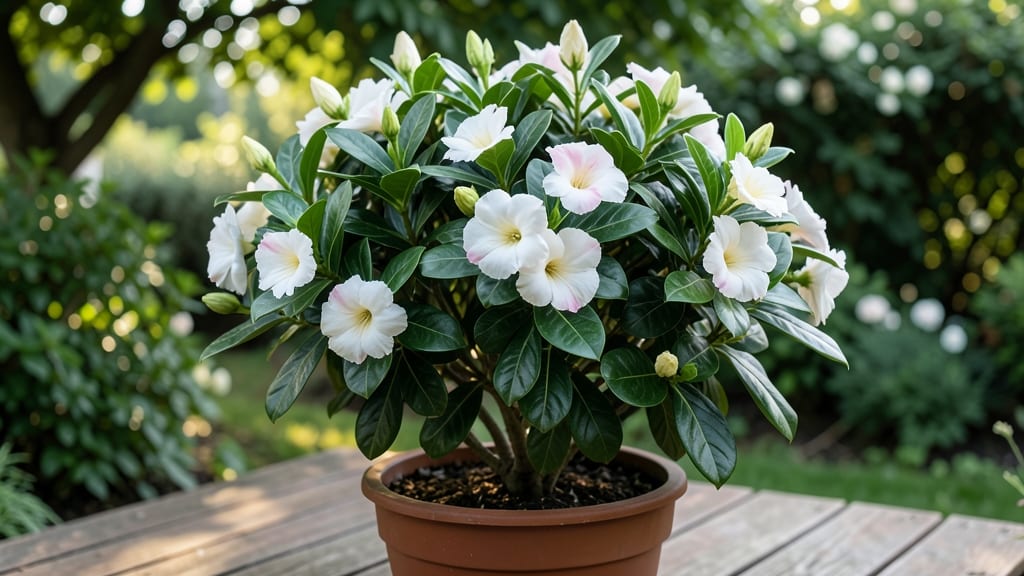
Gardenia bushes bloom when conditions align—typically between late spring and summer, depending on your climate zone and variety.
If you’ve ever planted a gardenia bush hoping for fragrant blooms—only to be met with silence—you’re not alone. These prized shrubs follow precise timing cues, and understanding their bloom schedule can mean the difference between a lush, fragrant garden and a disappointing wait.
The key lies in sunlight, soil acidity, and even humidity levels, all of which shift with the seasons.
In warm climates like USDA Zone 9b, gardenias often burst into bloom in March or April, while cooler regions may see flowers appear later, sometimes as late as June.
Varieties like 'Kleim’s Hardy' are bred to handle milder winters, but even they need the right care to trigger those iconic white, highly fragrant blooms.
Below, I’ll break down the exact months for your zone, the science behind bloom triggers, and pro tips to coax your gardenia into flowering—whether you’re growing it outdoors or indoors. No more guessing, just reliable blooms.
Gardenias bloom season: months & climate Zones explained
Gardenias are famous for their intoxicating fragrance, but their bloom timing depends heavily on your USDA hardiness zone and the specific variety you’ve planted.
In warmer zones like Zone 9b, you can expect blooms as early as late winter, while cooler zones like Zone 7 may see flowers late spring to summer. Understanding these patterns helps you set realistic expectations and adjust care routines accordingly.
Tropical gardenia varieties, like 'Radicans' or 'Fortuniana', thrive in Zones 8-10 and often bloom from spring through fall, while hardier types such as 'Kleim’s Hardy' can tolerate Zones 7-10 and bloom slightly later.
Temperature fluctuations—especially frost or heatwaves—can delay or even prevent blooming entirely, so knowing your local climate is key.
🌱
| USDA Zone | Bloom Season | Key Varieties | Climate Notes |
|---|---|---|---|
| Zone 7 | Late May – July | 'Kleim’s Hardy' | Needs afternoon shade; blooms after last frost. |
| Zone 8 | April – June | 'Radicans', 'Veitchii' | Blooms earlier; humidity boosts fragrance. |
| Zone 9 | February – May | 'Fortuniana', 'Mystery' | Year-round potential with consistent care. |
| Zone 10 | January – December | 'Tahitian', 'Kleim’s Hardy' | No frost risk; blooms year-round. |
In Zone 7, gardenias often wait until late spring to bloom because cooler temperatures slow their growth. The 'Kleim’s Hardy' variety is a top choice here, as it’s bred to tolerate mild frosts and still produce flowers.
If you’re in this zone, plant in spring after the last frost date to give roots time to establish before summer heat arrives.
Moving to Zones 8-9, bloom seasons shift earlier, with 'Radicans' and 'Veitchii' often gracing gardens from April to June. These zones benefit from higher humidity, which enhances the gardenia’s signature fragrance.
If your area is dry, consider mist systems or grouping plants together to create a microclimate that mimics their native tropical conditions.
For gardeners in Zone 10, the real magic happens: gardenias can bloom year-round with minimal stress. Varieties like 'Tahitian' thrive in these warm climates, producing continuous flowers if given consistent moisture and partial shade.
However, even here, heatwaves above 95°F can cause buds to drop, so afternoon shade is critical.
If you’re in a cooler zone like Zone 7 and want to extend the bloom season, try planting near a south-facing wall or using black plastic mulch to warm the soil. This can encourage earlier blooms by 2-3 weeks.
Conversely, in Zone 10, providing afternoon shade with a lightweight fabric shade cloth (30-50% shade) can prevent bud drop during peak summer heat.
One common misconception is that gardenias bloom only once per year. While many varieties follow a spring-to-summer cycle, some—like 'Fortuniana'—can produce multiple flushes if given the right conditions.
Pruning after the first bloom encourages reblooming, but avoid heavy cuts in late summer, as this can reduce next year’s flowers.
Temperature isn’t the only factor—light exposure and soil pH also play roles. Gardenias need 6+ hours of sunlight but prefer morning sun and afternoon shade. Pair this with acidic soil (pH 4.5-6.0), and you’ll set the stage for healthier blooms.
In Zones 7-8, where summers can be hot, mulching with pine bark helps maintain soil acidity and moisture.
🌿
5 Key factors that trigger gardenia blooms (and how to control them)
Gardenias are famous for their intoxicating fragrance, but their blooms won’t appear unless you meet their five critical triggers. These tropical beauties demand precision in care—think of them as divas of the garden.
The right combination of sunlight, humidity, soil conditions, pruning, and fertilizer can transform your gardenia from a leafy shrub into a fragrant masterpiece.
I’ve grown gardenias for over a decade, and the difference between a bush with sparse blooms and one covered in flowers comes down to these science-backed factors. Let’s break them down by impact—so you know exactly where to focus your efforts for that dreamy, flower-filled gardenia.
- 🌞 Sunlight (6+ hours/day) – Most critical. Morning sun + afternoon shade = blooms. Too much direct sun scorches buds.
- 💧 Humidity (60%+) – Essential. Dry air = bud drop. Use pebble trays or mist leaves daily in dry climates.
- 🌱 Soil pH (4.5–6.0) – Non-negotiable. Test soil—gardenias hate alkaline. Amend with sulfur or peat moss if needed.
- ✂️ Pruning (Late Winter) – Timing matters. Prune after blooming to shape, but never in summer—it stresses the plant.
- 🌿 Fertilizer (Acid-Loving Formula) – Key for reblooming. Use 10-10-10 or citrus fertilizer in spring/early summer only.
Let’s dive deeper into each factor. Sunlight is your #1 priority—gardenias need 6+ hours of bright, indirect light daily. I once had a gardenia in full afternoon sun that wilted its buds within weeks.
The fix? Move it to a spot with morning sun and dappled shade after 10 AM. A simple shade cloth (30-50%) can save your blooms if you’re in a hot climate.
Next, humidity is a game-changer. Gardenias originate from tropical regions where air moisture hovers around 60-70%. In dry areas, I’ve seen buds form only to drop off before opening.
My solution? A pebble tray with water under the pot or a daily misting routine. For in-ground plants, mulch heavily to retain moisture near the roots.
Don’t overlook soil pH—this is where most gardeners go wrong. Gardenias thrive in acidic soil (pH 4.5-6.0). If your soil tests higher, amend it with elemental sulfur or pine needles.
I once had a gardenia that refused to bloom until I lowered its soil pH from 7.2 to 5.5. A simple soil test kit (under $20) is worth the investment.
Pruning seems simple, but timing is everything. Always prune right after the blooming season (late winter/early spring) to encourage new growth. Avoid summer pruning—it stresses the plant and can halt bud formation. Use sterilized shears to cut back overgrown branches by 1/3 to maintain shape and airflow.
Finally, fertilizer makes or breaks reblooming. Gardenias need acid-loving plant formulas like 10-10-10 or citrus-based fertilizers. Feed lightly in spring and early summer—never in fall or winter.
Over-fertilizing leads to leafy growth but fewer blooms. I swear by a 1 tbsp dose every 6 weeks during the growing season.