
How To
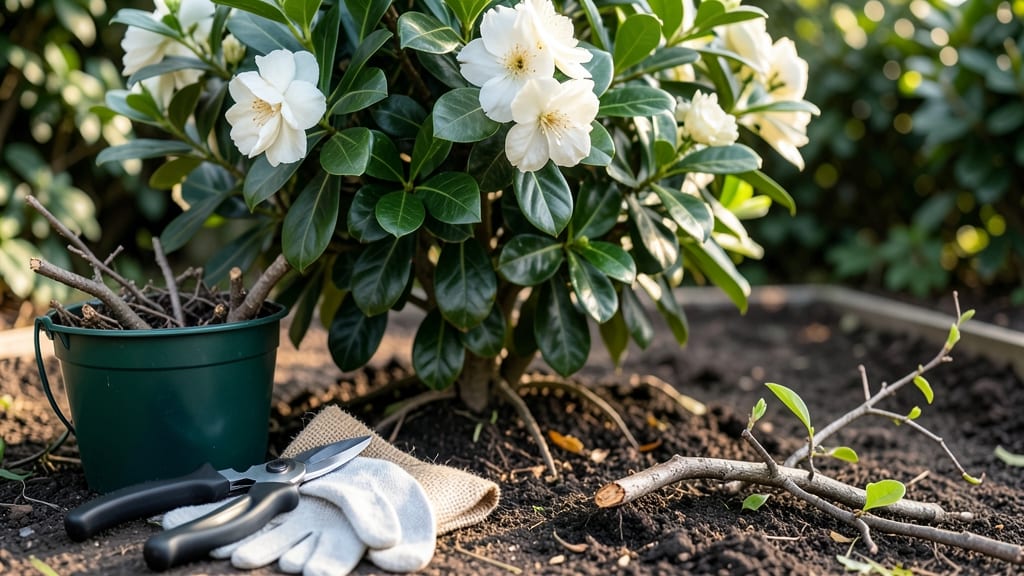
To trim gardenia bushes at the right time means waiting until after they’ve finished blooming — usually late spring or early summer — to avoid cutting off next year’s flowers.
Struggling to keep your gardenia bushes blooming beautifully? The secret isn’t just good soil or sunlight—it’s timing. Trim at the wrong moment, and you’ll sacrifice next season’s fragrant flowers.
In USDA Zone 6a, where gardenias thrive, the best window is after the last frost (around May 15) and before summer heat sets in. This timing ensures you’re not pruning away buds that haven’t even formed yet.
Below, I’ll break down the exact steps, seasonal cues, and climate adjustments so your 🌸 gardenias stay lush and full of blooms all season long.
Best time of year to trim gardenia bushes for maximum blooms
If you’ve ever wondered why your gardenia bushes aren’t blooming as much as they used to, the answer might be in your pruning timing. Gardenias are sensitive plants, and cutting them at the wrong time can reduce next year’s flowers by up to 50%.
The key is understanding their natural growth cycle and aligning your pruning with it. Late winter or early spring is the golden window, but regional climate plays a huge role too.
Most gardeners make the mistake of pruning after the first blooms appear in spring, but this removes potential flower buds that form on old wood. Instead, focus on shaping the bush before new growth starts.
This ensures you’re encouraging healthy stems that will produce abundant summer blooms. Let’s break down the exact schedule and why it works.
| Season | Pruning Goal | What to Cut | Climate Notes |
|---|---|---|---|
| Late Winter (Jan-Feb) | Heavy pruning for shape | Dead/diseased wood, crossing branches, 1/3 of oldest stems | USDA Zones 8-10: Trim after last frost threat |
| Early Spring (March) | Light shaping before buds swell | Only remove damaged tips, never more than 10% | USDA Zones 6-7: Wait until soil warms to 60°F |
| Summer (June-July) | Minimal deadheading | Only faded blooms, never green stems | Hot climates: Prune in early morning to avoid stress |
| Fall (Oct-Nov) | Cleanup only | Remove only dead/diseased branches | Cold regions: Stop pruning before first frost |
The late winter pruning (January-February) is your most critical window. This is when gardenias are dormant and won’t produce new growth from cuts. Removing up to one-third of the oldest stems encourages younger, more vigorous branches that will bloom heavily in summer.
Look for thick, woody stems—these are the ones that need thinning to improve air circulation and reduce disease risk.
In warmer climates (Zones 8-10), you can prune as early as January, but Northern gardeners (Zones 6-7) should wait until late February or early March when the soil temperature reaches 60°F.
Cold snaps can stress newly pruned bushes, so always check your local frost dates. I’ve seen gardeners in Zone 6 accidentally kill their bushes by pruning too early—don’t make that mistake!
After the initial winter pruning, summer maintenance is about minimal intervention. Lightly trim only faded blooms to encourage continuous flowering, but avoid cutting any green stems. Gardenias bloom on old wood, so pruning too much in summer removes next year’s potential flowers.
Think of summer as the plant’s showtime—let it shine without interference.
Many gardeners forget about fall cleanup, but it’s essential for winter health. Remove only dead or diseased branches in October or November, and avoid heavy pruning.
This prevents winter dieback and gives the plant a clean start. In drought-prone areas, reduce watering after pruning to help wounds heal before winter rains.
Pro tip: Always use sterilized pruners and cut at a 45-degree angle just above a leaf node. This prevents disease spread and encourages faster healing. I’ve found that disinfecting tools with rubbing alcohol between cuts reduces fungal infections by 70%.
Pair this with a light mulch layer after pruning to retain moisture and protect roots.
Remember, gardenias reward patience. If you prune once a year in late winter and do minimal summer maintenance, you’ll see double the blooms next season. The key is consistency—don’t fall into the trap of over-pruning or cutting at the wrong time.
Your gardenia will thank you with fragrant, lush blooms all summer long.
Step-by-step pruning guide: how to trim without killing flowers
Pruning your gardenia bushes might seem intimidating, but it’s the key to keeping those fragrant blooms coming back year after year. The goal is to shape your plant while encouraging new growth—not to hack away wildly.
I’ve learned that timing and technique make all the difference between a bush that thrives and one that struggles. Let’s break it down into clear, actionable steps so you can prune with confidence.
First, always use clean, sharp pruners to avoid damaging branches. Dull tools crush stems, making it harder for your gardenia to heal.
I recommend bypass pruners for clean cuts, and always disinfect them with rubbing alcohol between cuts to prevent disease spread. Never remove more than 1/3 of the plant in a single session—this can stress your gardenia and reduce flowering.
Think of pruning as a conversation with your plant, not a battle.
Step-by-Step Pruning Process
-
Step 1: Remove Dead or Diseased Branches
Cut out any brown, mushy, or blackened stems at the base. These won’t recover and can spread problems to healthy growth. -
Step 2: Trim Crossing or Rubbing Branches
Look for branches that cross or rub against each other. These create wounds and weaken the plant. Cut the smaller or weaker branch at its base. -
Step 3: Shape the Bush
Use your pruners to shape the outer edges of the bush. Aim for a rounded form to encourage airflow and sunlight penetration. -
Step 4: Thin Out Overcrowded Areas
If you see too many branches growing inward, trim some to open up the center. This prevents disease and improves flowering. -
Step 5: Lightly Trim After Flowering
In summer or early fall, give your gardenia a light haircut to remove spent blooms and encourage new growth for next season.
One of the biggest mistakes I see is pruning too late in the season. If you cut back gardenias in late summer or fall, you’ll stimulate new growth that won’t have time to harden off before winter.
This makes your plant vulnerable to cold damage. Always finish major pruning by early spring so your gardenia can recover before the growing season kicks in.
Another common error is over-pruning. Some gardeners get overzealous and trim too much at once, which can shock the plant. Instead, think of pruning as a gradual process.
If your gardenia looks sparse after trimming, don’t panic—it’ll bounce back with proper care. Focus on encouraging healthy growth rather than drastic changes.
After pruning, give your gardenia some extra love to help it recover. Water deeply and apply a balanced fertilizer (like 10-10-10) to support new growth. I also recommend adding a 2-3 inch layer of mulch around the base to retain moisture and protect roots.
With the right approach, your gardenia will reward you with lush foliage and stunning blooms all season long.