
Tools
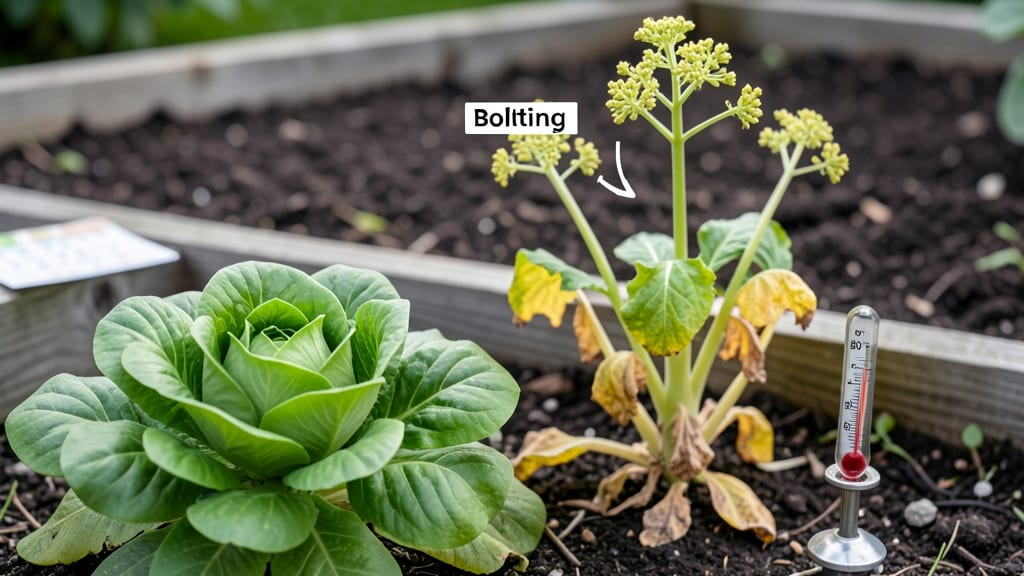
Bolting in gardening means a plant suddenly grows a tall flower stalk, stops producing leaves, and makes seeds too early, usually because of stress from heat, drought, or being too old.
This happens because plants have an internal clock that triggers flowering when they sense stress or changing conditions. 🌱 For example, leafy greens like lettuce or spinach may bolt when daytime temperatures climb above 75°F or when they've been in the ground too long.
The problem isn't just the flowers—once bolting starts, the leaves often become bitter and tough, ruining the plant's edible parts. Understanding this process helps gardeners choose the right varieties and timing to keep their plants productive longer.
Many gardeners prevent bolting by using shade cloth during hot spells or by harvesting outer leaves regularly to encourage continued growth. Some plants, like arugula or radishes, are more prone to bolting than others, so selecting bolt-resistant varieties can save frustration.
The key is paying attention to your plants' signals—they'll often show signs like rapid stem elongation before the flower stalk appears.
💡 In This Article
- Why Plants Bolt: Causes and Biological Triggers
- Preventing Bolting in Common Vegetables and Herbs
Why plants bolt: causes and biological triggers
Bolting happens when a plant's internal biological clock detects stress signals and triggers its reproductive cycle prematurely. This process is controlled by hormones called florigen and ethylene, which are released in response to environmental cues.
When plants experience sudden heat waves (especially above 80°F for extended periods) or drought conditions, their cells interpret this as a signal to preserve their genetic line before dying. 🌡️ The plant redirects energy from leaf production to growing a tall flower stalk, often within just 7-10 days, leaving gardeners with bitter, fibrous leaves instead of tender harvests.
The timing of bolting varies by species but follows predictable patterns. For example, leafy greens like spinach and lettuce typically bolt when exposed to 10+ hours of daylight combined with warm soil temperatures (70°F+).
Herbs such as cilantro and dill bolt rapidly when daytime temperatures exceed 75°F, while root vegetables like radishes may bolt if they sense the end of their natural growing season.
The plant's age also plays a role—older plants with fewer leaves are more susceptible because their energy reserves are depleted, making them more likely to trigger the bolting response as a survival mechanism.
Genetics determine how quickly a plant will bolt, which is why some varieties are labeled as "bolt-resistant." These plants have been bred to delay the florigen response, often by extending the time it takes for stress signals to activate the reproductive cycle.
For instance, heat-tolerant lettuce varieties can withstand temperatures up to 90°F without bolting, while traditional varieties may start flowering at 75°F. This genetic variation is why gardeners should choose varieties suited to their climate—what works in cool coastal regions might fail in hot inland areas.
Physical stress also accelerates bolting. Damage from pests, poor soil drainage, or even overcrowding can send plants into a survival mode, prompting them to bolt. For example, if arugula plants are stressed by aphid infestations or compacted soil, they may bolt 2-3 weeks earlier than healthy plants.
Even the act of harvesting too aggressively can trigger bolting, as the plant perceives the loss of leaves as a sign to reproduce before dying. Understanding these triggers helps gardeners create optimal growing conditions to delay or prevent bolting entirely.
One of the most fascinating aspects of bolting is how plants "count" their days. Short-day plants (like spinach) bolt when daylight hours shorten, while long-day plants (like lettuce) bolt when days grow longer.
This photoperiod sensitivity is why timing is critical—planting lettuce in early spring or late summer often yields better results than mid-summer, when longer daylight hours accelerate bolting. The plant’s internal clock, combined with environmental stressors, creates a perfect storm that can turn a thriving crop into a seed-producing stalk overnight.
For gardeners, recognizing the early signs of bolting is key to saving a harvest. Look for rapid stem elongation, thicker leaves, or a slight bitterness in flavor—these are red flags that the plant is preparing to bolt.
Acting quickly with shade cloth or harvesting outer leaves can sometimes delay the process, but once the flower stalk appears, the plant has already committed to reproduction. This biological inevitability is why prevention—through variety selection, soil care, and timing—is the best strategy for avoiding bolting entirely.