
Planting
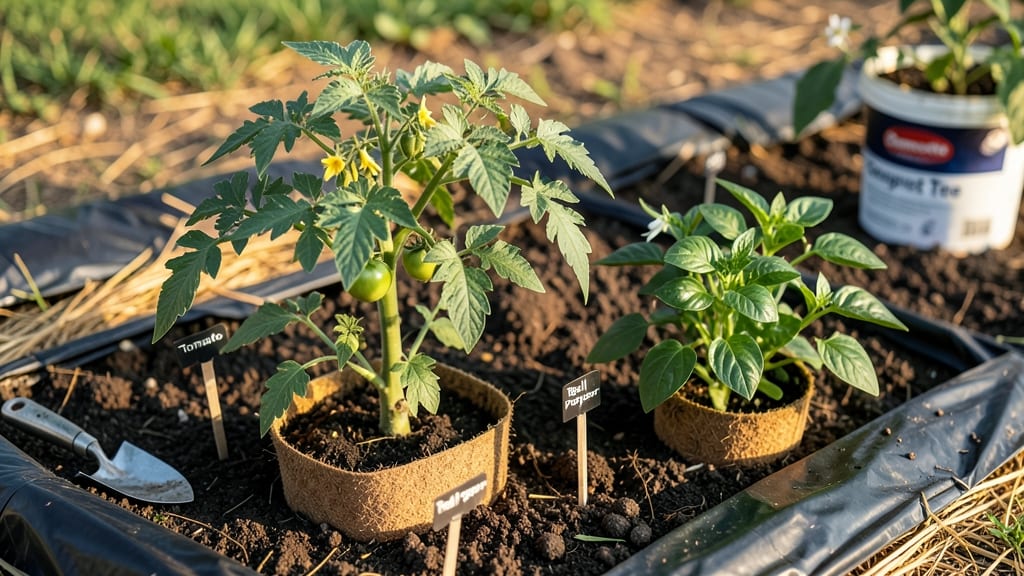
To plant a vegetable garden in Florida, timing is everything—your microclimate zone dictates whether your tomatoes bolt in May or your greens wilt by June.
Florida’s unique microclimates—from steamy coastal zones to cooler inland regions—mean your vegetable planting schedule must be hyper-local to avoid wasted effort and poor yields. Get the exact timing for your zone to maximize your harvest.
Skip the guesswork: I’ll break down the best planting windows for North Florida’s cooler springs, Central Florida’s brutal summers, and South Florida’s year-round growing potential. No more watching your seedlings crisp under unexpected frost or rot in the heat.
You’ll learn which vegetables thrive in Florida’s extremes, how to stretch seasons with shade cloth, and the one trick that keeps pests from turning your garden into an all-you-can-eat buffet. Let’s get those seeds in the ground the right way.
Florida’s 10 microclimate zones: when to plant vegetables by region
Florida’s diverse microclimates create unique planting challenges—what works in cool North Florida fails in tropical South Florida. The state spans 10 distinct zones, each with different frost-free dates, heat tolerance thresholds, and seasonal rhythms.
Whether you’re in Jacksonville’s humid subtropical zone or Key West’s tropical paradise, timing is everything for a thriving vegetable garden.
Urban gardeners in Miami or Tampa can grow year-round, while rural Panhandle growers face late spring frosts that can devastate early plantings. Even within cities, microclimates vary by elevation—hills stay cooler, while valleys trap heat.
This guide breaks down planting windows by zone, including heat-sensitive crops like lettuce and heat-loving varieties such as okra, plus adjustments for urban heat islands.
🌱
In North Florida, where frost can hit as late as March, start cool-season crops like broccoli and peas in February under row covers.
By April, shift to heat-loving plants such as okra and sweet potatoes. Central Florida offers a longer window—plant lettuce and spinach in January-February for early harvests before summer heat sets in.
For South Florida’s tropical climate, year-round planting is possible, but heat-sensitive greens bolt quickly. Use shade cloth (30-50%) to protect cool-season crops during summer months. In urban areas, pavement heat can raise soil temps by 10-15°F, so drip irrigation and mulch are essential
Best vegetables for Florida’s climate: heat-tolerant vs. cool-season crops
Florida’s long growing season and humid climate create perfect conditions for year-round vegetable gardening—but not all crops thrive equally. Heat-tolerant varieties like okra and sweet potatoes dominate summer, while cool-season crops like broccoli and lettuce shine in milder months.
The key? Strategic planting to avoid heat stress or wilted greens.
In North Florida, cooler winters allow early spring plantings of broccoli and cabbage, while South Florida’s frost-free zone lets gardeners grow tomatoes and peppers year-round.
Even within these extremes, succession planting ensures continuous harvests. For example, sow bush beans every 2 weeks from March to September to keep your table stocked.
Here’s the breakdown: Heat-tolerant crops (like sweet potatoes and eggplant) handle Florida’s 90°F+ days with ease, while cool-season crops (such as spinach and kale) need 60–70°F soil temps. The trick? Use shade cloth or mulch to protect delicate greens during summer’s peak heat.
Heat-Tolerant vs. Cool-Season Crops in Florida
- Okra – Thrives in 90°F+, drought-resistant
- Sweet Potatoes – Loves humidity and heat, great for fall
- Peppers (Jalapeño, Cayenne) – Needs full sun, harvests year-round
- Southern Peas (Cowpeas) – Fixes nitrogen, heat-hardy
- Lettuce (Buttercrunch, Romaine) – Bolts in 85°F+, needs shade
- Broccoli (Calabrese) – Prefers 55–75°F, harvest before heat
- Spinach – Grows best in cool winters (Nov–Feb)
- Carrots (Danvers) – Slow in heat, plant fall or early spring
For year-round success, pair heat-lovers with cool-season crops in staggered rows. For example, plant okra (heat-tolerant) alongside lettuce (cool-season) in raised beds with drip irrigation to manage moisture. This way, while one crop wilts in summer, the other thrives.
Don’t overlook Florida-friendly varieties like ‘Solar Fire’ tomatoes or ‘Georgia Purple’ sweet potatoes, bred to handle humidity and pests. These locally adapted plants require less fuss and deliver bigger yields than standard varieties. Pair them with mulch to retain moisture and companion plants like marigolds to deter pests.
Finally, watch for seasonal pests like squash bugs in summer or cabbage worms in spring. Rotate crops annually and use neem oil or row covers to protect tender seedlings.
With the right mix of heat-tolerant and cool-season crops, your Florida garden can produce fresh veggies 12 months a year.