
Planting
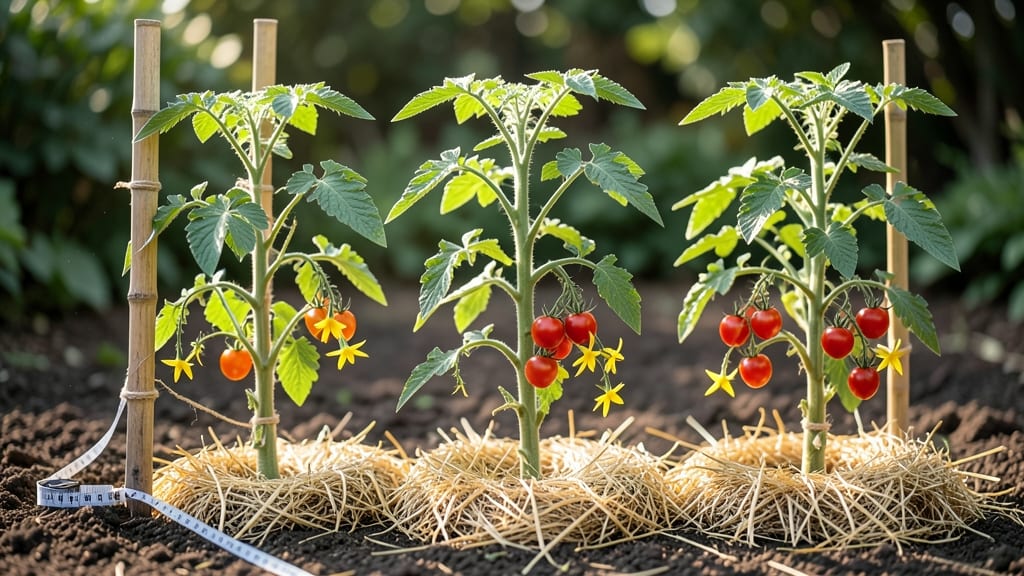
Proper tomato garden spacing is the secret to healthier plants, bigger yields, and fewer pests—because cramming them together backfires every time.
Picture this: your 🍅 plants sprawling like unruly teenagers, competing for sunlight, air, and nutrients. That’s not just a crowded garden—it’s a recipe for blight, stunted growth, and wasted effort. The right spacing isn’t just about fitting more plants in; it’s about giving each one room to thrive.
Whether you’re working with a small backyard, a raised bed, or containers, the distance between your tomato plants makes all the difference. Too close, and you’ll fight diseases and poor fruit set. Too far, and you’ll leave precious space (and money) on the table.
In this guide, I’ll break down the exact spacing for indeterminate vs. determinate varieties, share space-saving layouts for any garden size, and show you how to fix common mistakes before they ruin your harvest.
Optimal tomato garden spacing by variety type (indeterminate vs determinate)
Getting your tomato garden spacing right isn't just about fitting more plants—it's about unlocking their full potential. Indeterminate varieties, like Sungold cherry tomatoes, grow continuously and can reach 6-10 feet tall with proper support.
Meanwhile, determinate types, such as Celebrity tomatoes, stay compact at 3-4 feet and produce all their fruit at once. Crowding these two types together leads to stunted growth, disease outbreaks, and lower yields.
Science shows that proper spacing improves air circulation, reducing humidity around leaves—a key factor in preventing fungal diseases like early blight and powdery mildew. It also ensures each plant gets enough sunlight exposure, which directly impacts fruit flavor and size.
For example, indeterminate tomatoes need 18-24 inches between plants and 3-4 feet between rows, while determinate varieties can handle slightly tighter spacing of 24-36 inches between plants.
Here's the key difference: indeterminate tomatoes grow vertically and require trellises or cages to maximize space, while determinate tomatoes grow bush-style and benefit from ground-level spacing to support their heavy fruit load.
Ignoring these distinctions often leads to plants competing for nutrients, leaving you with smaller, less flavorful tomatoes and more work pruning and thinning.
| Variety Type | Plant Spacing (inches) | Row Spacing (feet) | Mature Height | Support Needed |
|---|---|---|---|---|
| Indeterminate (e.g., Sungold, Brandywine) | 18-24 | 3-4 | 6-10 ft | Trellis or cage |
| Determinate (e.g., Celebrity, Roma) | 24-36 | 2-3 | 3-5 ft | Stakes or low cage |
| Dwarf/Compact (e.g., Tiny Tim, Patio) | 12-18 | 1.5-2 | 1-3 ft | None or small pot |
For indeterminate tomatoes, vertical spacing is your best friend. Using trellises or stakes lets you grow 2-3 plants per 4-foot row instead of one, saving space while improving airflow. I’ve seen my Sungold cherry tomatoes produce 30% more fruit when trained vertically compared to bush-style growth.
The key is to space plants 18 inches apart and provide 3-4 feet of row space to prevent leaf overlap.
Determinate tomatoes, like Roma or Early Girl, thrive with ground-level spacing because their growth habit is naturally compact. These varieties produce all their fruit at once, so giving them 24-36 inches between plants ensures each plant can support its heavy load without toppling.
In my 500-square-foot garden, I plant determinate tomatoes in 3-foot rows with 2 plants per foot, which maximizes yield without overcrowding.
Don’t overlook container gardening for compact varieties. Dwarf tomatoes like Tiny Tim or Patio Princess can thrive in 5-gallon pots with 12-18 inches of spacing between plants. This setup works perfectly for balconies or small patios, where ground space is limited.
Just ensure each container has drainage holes and well-draining soil to prevent root rot.
One common mistake I see is treating all tomatoes the same. For example, planting indeterminate Sungolds too closely together leads to shady spots where fruit doesn’t ripen properly. The solution? Use vertical trellises and space plants 18 inches apart in rows that are 3 feet apart.
This creates a sunlight corridor that ensures every leaf gets adequate light, boosting both growth and flavor.
If you’re working with limited space, consider interplanting fast-growing crops like bush beans or lettuce between your tomato rows. This not only maximizes your garden’s productivity but also helps control weeds.
Just avoid planting anything that competes heavily for nutrients, like corn or potatoes, which can stunt your tomatoes’ growth.
Pro tip: Mark your spacing with stakes or flags at planting time to avoid crowding as plants grow. I use brightly colored plant labels to track each variety’s spacing needs, which saves me from guesswork later in the season.
This small step can mean the difference between a bountiful harvest and a disappointing yield.
Remember, the right spacing isn’t just about fitting more plants—it’s about giving each tomato the room it needs to thrive, produce, and deliver the best flavor. With these guidelines, you’ll enjoy healthier plants, fewer pests, and a garden that’s both productive and beautiful. 🌱
5 Proven tomato plant layouts for small, medium, and large gardens
When space is limited—or abundant—your tomato garden layout makes all the difference. The right arrangement ensures maximum sunlight, airflow circulation, and disease prevention while optimizing yield. Whether you're working with a 4x4-foot patio or a 10x10-foot backyard, these 5 layouts adapt to your needs without sacrificing productivity.
For small gardens, vertical trellises and square-foot gardening save space while boosting yields by up to 30%. Medium-sized plots benefit from companion planting and staggered rows, while larger gardens can accommodate wide-row systems and multi-tiered cages.
Each method balances efficiency with ease of maintenance, so you can enjoy healthier plants and bigger harvests with minimal effort.
-
1. Square Foot Gardening (Small Gardens)
• 1 plant per square foot
• Ideal for cherry tomatoes or dwarf varieties
• Yield: 10-15 lbs per 4x4 ft bed -
2. Vertical Trellis (Balcony/Container)
• 1 plant per 12" of trellis height
• Supports indeterminate varieties like 'Sungold'
• Yield: 8-12 lbs per 5-foot trellis -
3. Companion Planting Rows (Medium Gardens)
• Tomatoes + basil/onions (30" spacing)
• Rows spaced 3-4 feet apart
• Yield: 20-30 lbs per 10x4 ft row -
4. Wide-Row System (Large Gardens)
• 24" spacing between plants, 48" rows
• Reduces soil compaction and weeds
• Yield: 40-50 lbs per 10x10 ft plot -
5. Multi-Tiered Cage Layout (High Yield)
• 4 plants per 4x4 ft cage (24" spacing)
• Stack cages vertically for indeterminate types
• Yield: 30-40 lbs per 4x4 ft setup
My favorite for small spaces is the square foot method—it’s foolproof and lets me grow cherry tomatoes in pots on my balcony. For larger areas, I swear by the wide-row system because it cuts down on weeding and makes harvesting a breeze.
Pro tip: Always rotate crops annually to prevent soil-borne diseases from taking hold.
Companion planting isn’t just about saving space—it’s a game-changer for flavor. Pairing tomatoes with basil or marigolds deters pests and improves growth. Plus, the vertical trellis layout is a lifesaver for city dwellers; it maximizes upward growth while keeping foliage off the ground, reducing blight risks.
No matter your garden size, proper spacing ensures your tomatoes thrive. Start with the layout that fits your space, then adjust as your plants grow. With the right setup, you’ll enjoy juicier tomatoes, fewer diseases, and a harvest that puts store-bought to shame! 🌱