
How To
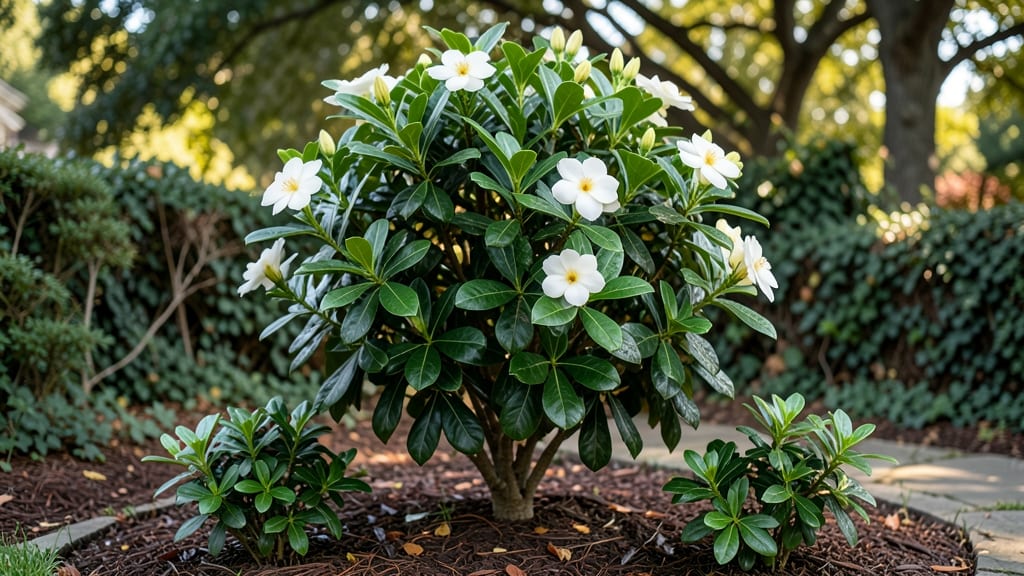
Gardenia plants can grow anywhere from 3 to 15 feet tall, depending on the variety and growing conditions — a range that makes them perfect for everything from patio pots to backyard borders.
If you’ve ever admired gardenias’ intoxicating blooms and wondered whether they’ll tower over your garden or stay compact, you’re not alone. Some varieties barely reach waist height, while others stretch like small trees, creating a dramatic focal point.
The key lies in choosing the right cultivar and understanding how care habits shape their growth.
Most gardenias grow as lush shrubs, with standard types reaching 4 to 6 feet at maturity and dwarf varieties staying under 3 feet. But with the right pruning and soil conditions, even taller varieties can be managed to fit smaller spaces.
Below, I break down the height ranges by variety, how to control growth, and the care tips that keep your gardenia thriving year after year.
Whether you’re dreaming of a fragrant hedge or a single statement plant, knowing how tall your gardenia will grow is the first step to planning its perfect spot. You’ll learn which varieties suit your space, how to prune for compact growth, and the secrets to encouraging healthy, vigorous blooms.


Gardenia height by variety: from dwarf to small tree sizes
Choosing a gardenia variety isn’t just about the fragrant blooms—it’s also about planning for their mature height. Some varieties stay neatly contained at waist height, while others reach small tree proportions.
Understanding these differences helps you select the perfect gardenia for your space, whether it’s a container on a patio or a privacy hedge.
The height range of gardenias spans from 2 feet for dwarf types to 15 feet for larger varieties. Their growth habit also varies—some grow as compact shrubs, while others develop a tree-like structure with a single trunk.
Below, I’ve broken down the most popular varieties and their typical mature heights, so you can visualize how they’ll fit into your garden.
The climate zone plays a huge role in how tall your gardenia grows. In warmer zones (USDA 8-11), varieties like 'Augusta' can reach their maximum height of 15 feet, while in cooler zones (USDA 6-7), 'Kleim’s Hardy' stays more compact at 3–6 feet.
Always check your zone before planting taller varieties, as they may struggle in colder climates.
Pruning is another key factor in controlling gardenia height. Regular pruning in late winter or early spring encourages bushier growth and prevents legginess. For varieties like 'Veitchii' or 'Augusta,' I recommend annual pruning to maintain a manageable size, especially if you’re growing them near walkways or patios.
Just avoid heavy pruning in summer or fall, as it can stress the plant.
If you’re growing gardenias in containers, expect them to stay 20–30% shorter than their in-ground counterparts. Dwarf varieties like 'Radicans' thrive in pots, while larger types like 'Fortuniana' need oversized containers (at least 24 inches deep) to accommodate their root systems.
Always use a well-draining, acidic potting mix to prevent root rot.
One common misconception is that all gardenias grow at the same rate. In reality, their growth speed varies widely. Dwarf varieties like 'Mystery' may reach maturity in 3–4 years, while larger types like 'Augusta' can take 5–7 years to reach their full height.
Plan accordingly if you’re planting for a specific purpose, like a privacy screen or fragrance garden.
For small spaces, I recommend sticking to dwarf or semi-dwarf varieties like 'Radicans' or 'Kleim’s Hardy.' These stay under 6 feet and are perfect for patio planters or window boxes.
If you have a larger yard, varieties like 'Veitchii' or 'Augusta' will make a dramatic statement—just be prepared for their height and maintenance needs.
Remember, gardenias grow best with consistent care. Provide partial shade, acidic soil, and regular watering to encourage healthy growth. With
How to control gardenia height: pruning and care tips for compact growth
Keeping your gardenia at your desired height isn’t just about aesthetics—it also boosts blooming and plant health. Gardenias naturally grow 3 to 6 feet tall, but with the right techniques, you can shape them into compact shrubs or even encourage upward growth for a focal point.
The key lies in understanding seasonal pruning, fertilizer timing, and sunlight exposure.
Most gardeners make the mistake of pruning at the wrong time or using the wrong tools, which can stress the plant. I’ve learned that late winter or early spring is the best time to prune, just before new growth begins.
This ensures your gardenia has plenty of energy to recover and produce those fragrant blooms you love. Let’s dive into the specifics.
Start by using clean, sharp pruners to make cuts just above a leaf node or bud. This encourages new growth in the right direction. For a bushier gardenia, focus on cutting back overly long stems to promote lateral branching.
If you want a taller gardenia, prune selectively to encourage upward growth while still maintaining a balanced shape.
Fertilizer plays a crucial role in controlling height. Use an acid-loving plant fertilizer with a balanced NPK ratio (like 10-10-10) during the growing season. Over-fertilizing can lead to rapid, leggy growth, while under-fertilizing slows down blooming.
I recommend applying fertilizer every 4-6 weeks from spring to early fall, then tapering off in late summer to prepare for dormancy.
Sunlight management is another game-changer. Gardenias thrive in partial shade, especially in hot climates. Too much direct sun can cause stress, leading to stunted growth or sunburned leaves.
If your gardenia is growing too tall and leggy, consider moving it to a shadier spot or providing afternoon shade with a sheer curtain. This helps the plant focus energy on blooming rather than reaching for light.
Finally, avoid the temptation to prune in fall or winter. This can damage new growth and leave your gardenia vulnerable to cold temperatures. Instead, focus on light maintenance pruning to remove dead or diseased branches.
With consistent care, you’ll have a gardenia that stays at your ideal height while still producing those stunning, fragrant blooms all season long.